
Is this your project? Give it 30 days of featured visibility.
Promote your projectNanobrowser
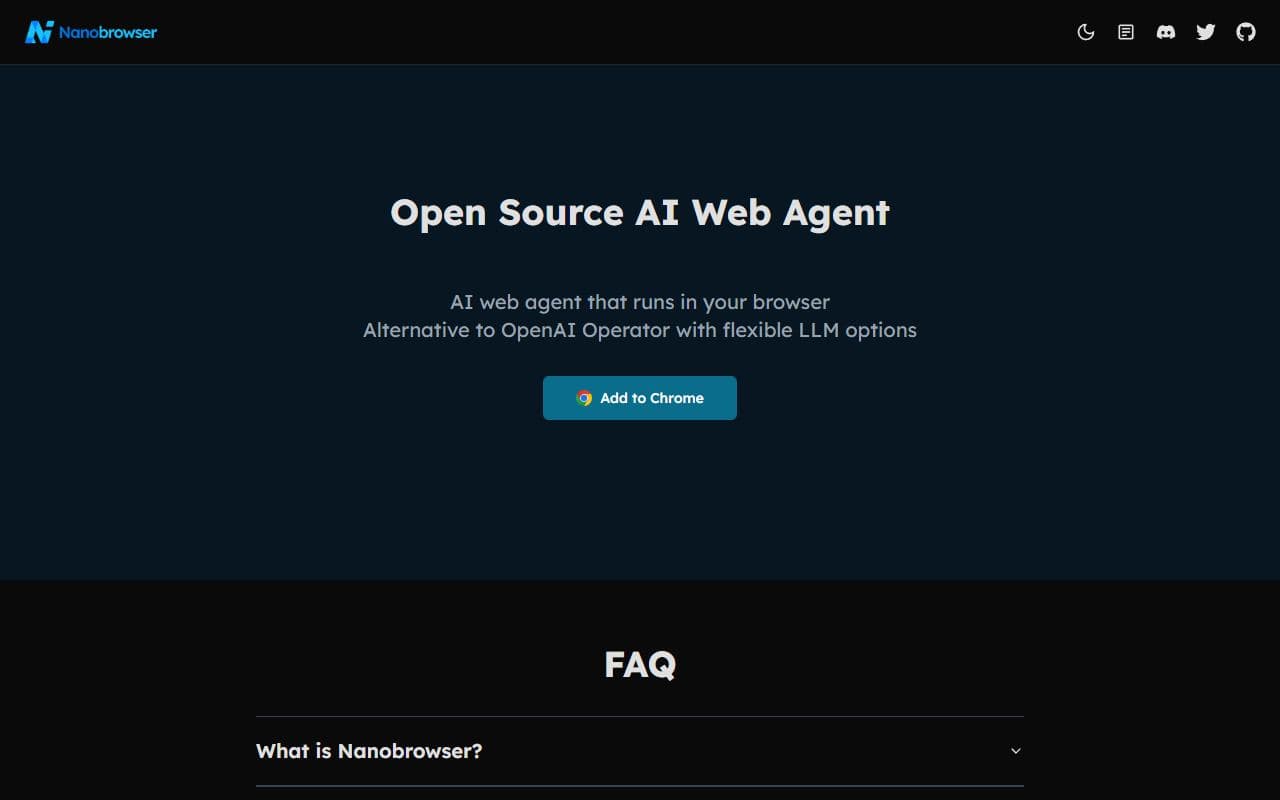
Open-source browser agent that can automate browsing tasks locally from natural language instructions.
Directory description / not source-linked
Additional AI-assisted overview
Nanobrowser is presented as an innovative open-source browser agent designed to streamline web interactions through automation.
This utility empowers users and AI systems to automate a wide array of browsing tasks directly from natural language instructions. Operating locally, Nanobrowser ensures that automation processes are executed within the user's environment, offering a direct and efficient method for web task management. Its open-source nature not only highlights a commitment to transparency but also encourages community contributions and customization, allowing developers and advanced users to tailor its capabilities to specific needs. As a versatile utility, Nanobrowser is engineered to address the growing demand for intelligent web automation. It stands out by translating human-readable commands into actionable browser operations, removing the need for complex scripting in many scenarios. This approach significantly lowers the barrier to entry for automating web-based workflows, making sophisticated browser control accessible. The platform's focus on local execution provides an added layer of control and privacy for sensitive tasks, ensuring that data processing remains within the user's designated environment. With its robust architecture, Nanobrowser aims to be a foundational tool for anyone looking to enhance productivity and efficiency in web navigation and data handling, all while being freely available to its users.
Unverified fallback. This legacy AI-assisted copy is not used as evidence for the structured facts or decision guidance on this page.
Capabilities
Source-backed claims are preferred. AI-assisted fallback items are labelled individually.
Open-source browser agent functionality
AI-assisted fallback / unverified
Automation of diverse browsing tasks
AI-assisted fallback / unverified
Processing of natural language instructions for task execution
AI-assisted fallback / unverified
Local execution of automated browsing workflows
AI-assisted fallback / unverified
Utility for general web automation
AI-assisted fallback / unverified
Potential for customization and community development due to open-source nature
AI-assisted fallback / unverified
Streamlines complex web interactions
AI-assisted fallback / unverified
Use cases
Source-backed claims are preferred. AI-assisted fallback items are labelled individually.
Automating repetitive data extraction from websites
AI-assisted fallback / unverified
Executing multi-step online workflows with natural language commands
AI-assisted fallback / unverified
Developing custom browser automation scripts for specific needs
AI-assisted fallback / unverified
Facilitating automated testing of web applications
AI-assisted fallback / unverified
Managing online accounts through automated browser interactions
AI-assisted fallback / unverified
How ClawSites assesses Nanobrowser
No source-backed best-for or limitation claim is published yet. Unsupported conclusions are omitted until a checked source supports them.
Method: ClawSites keeps discovery copy separate from publishable claims, retains a source excerpt, and displays the date each cited source was checked. Pricing and availability can still change after that date.
Related to Nanobrowser
Similar directory context, not an editorial claim that these products are interchangeable.
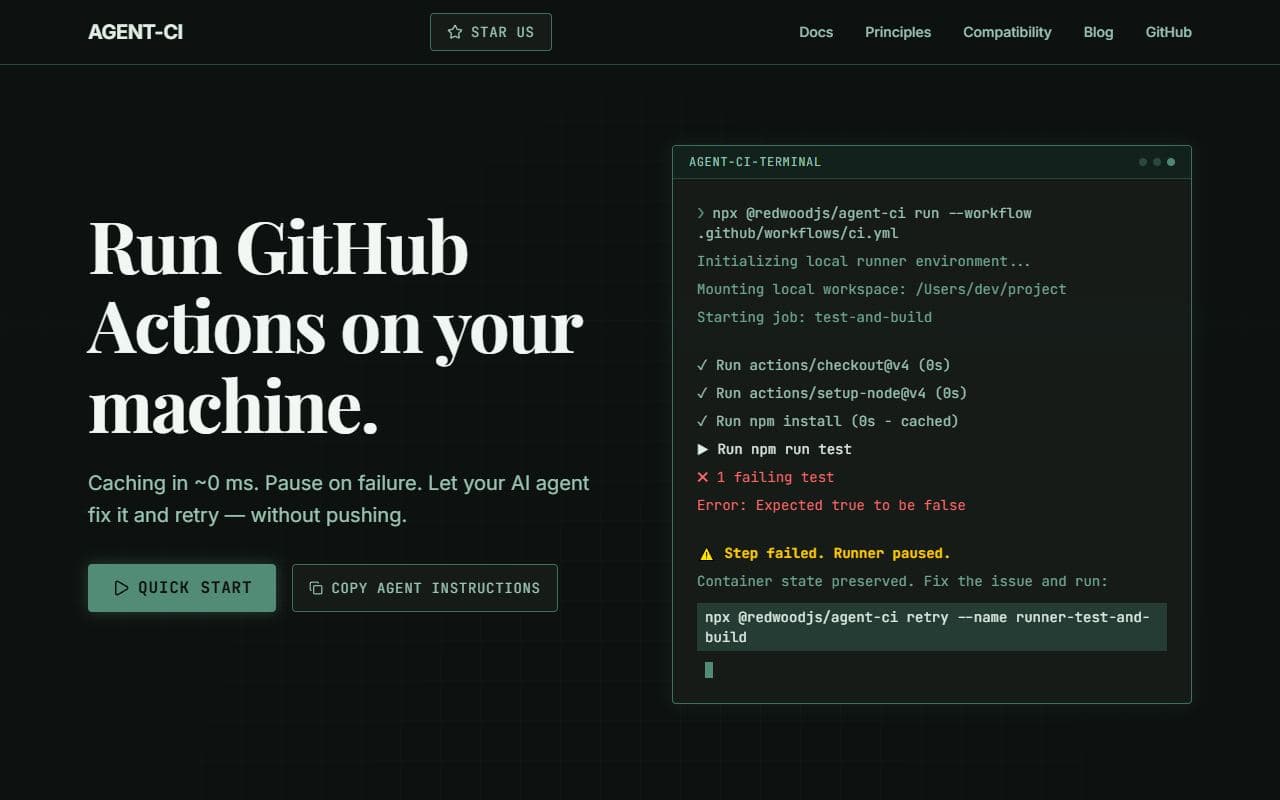
Local GitHub Actions runner designed for AI-agent development loops and repeatable validation.
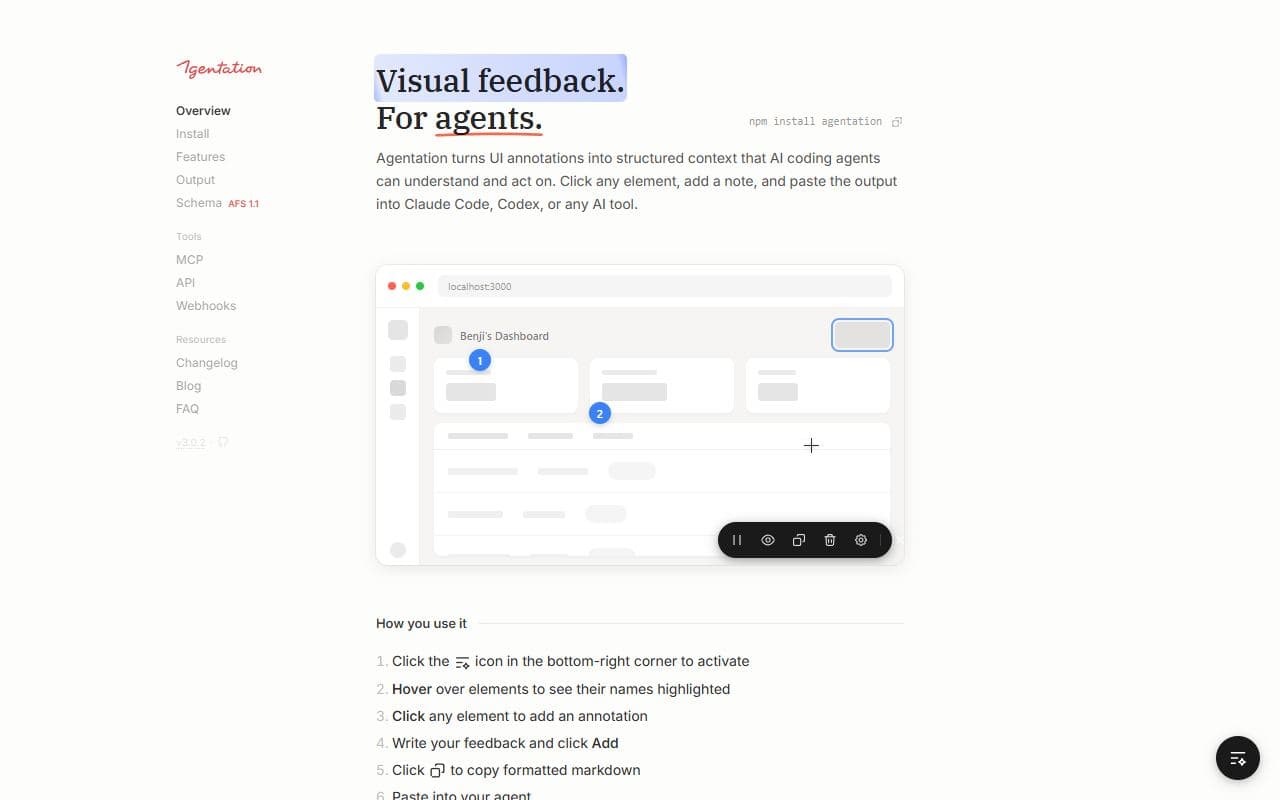
Visual UI annotation and structured feedback tool for AI coding agents.
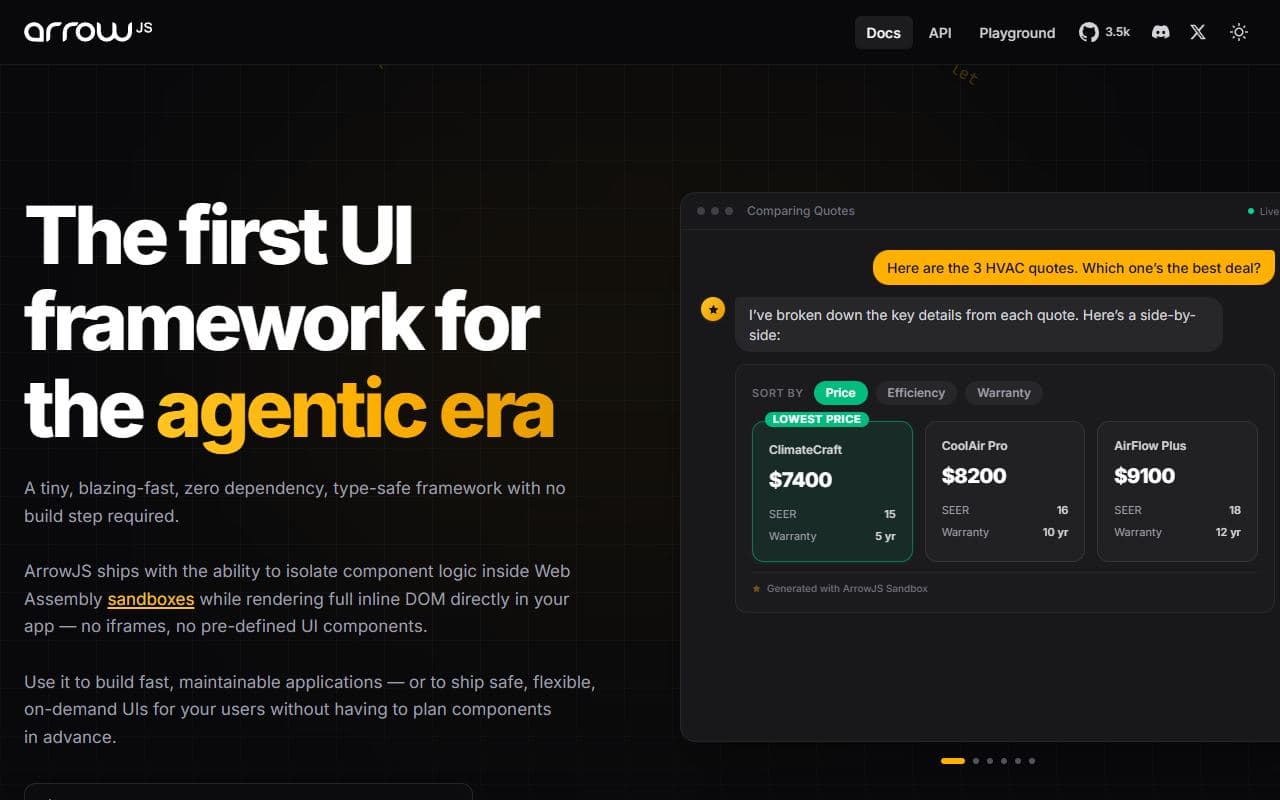
Agent-era UI framework with WASM sandboxes for safe generated interfaces.
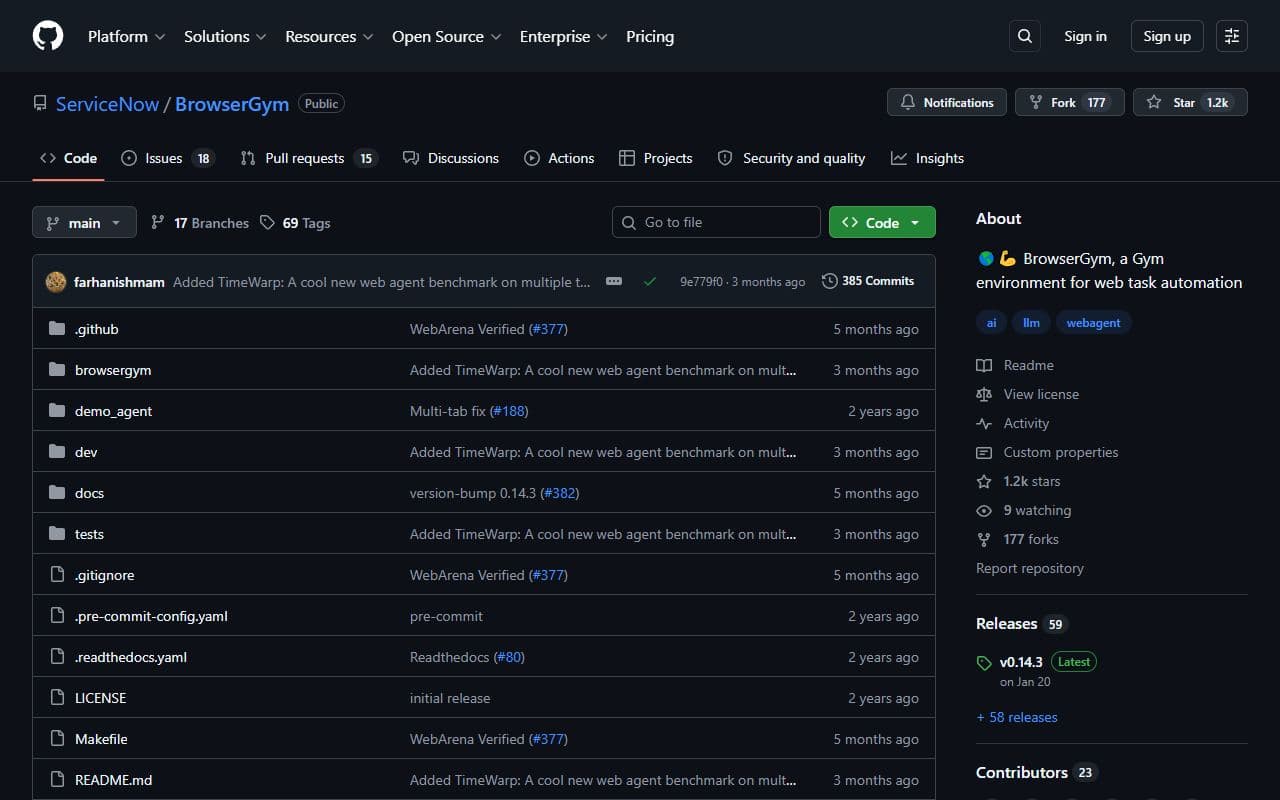
Open-source framework for training, evaluating, and benchmarking web agents in browser environments.
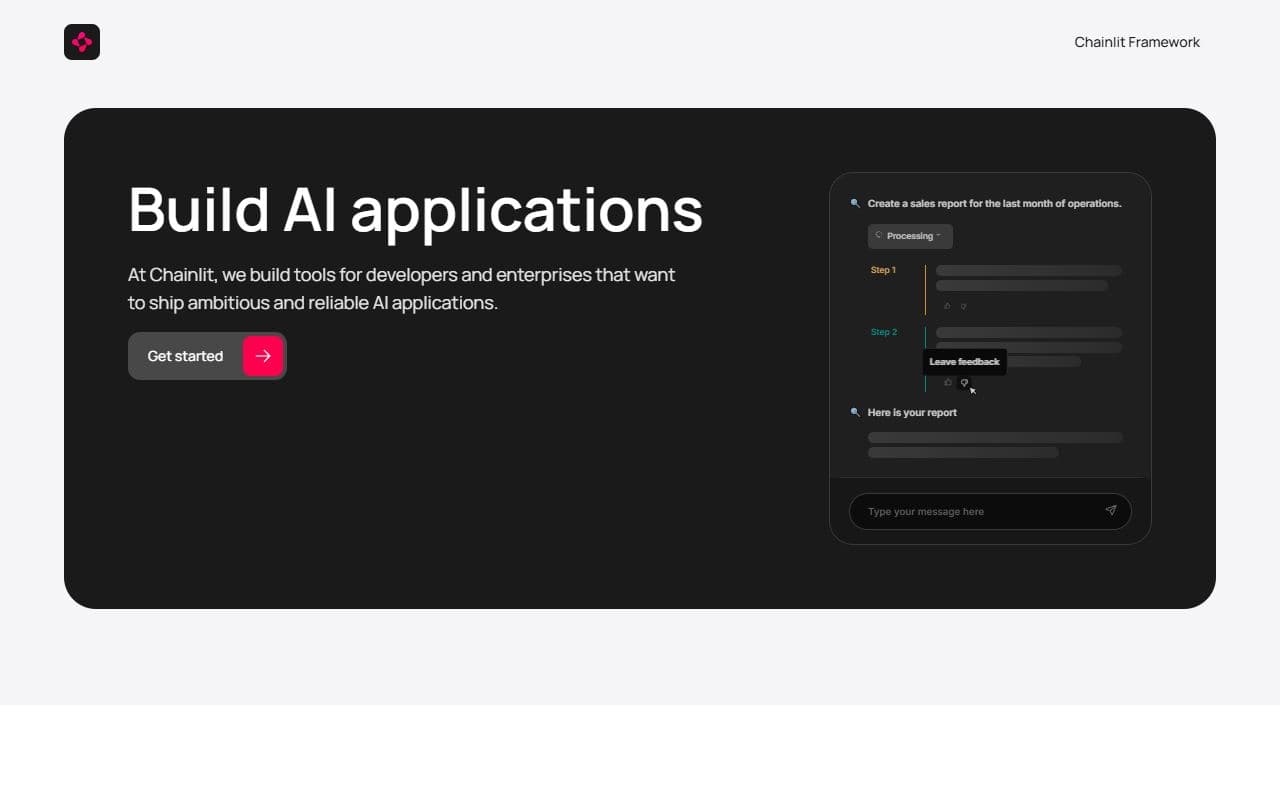
Open-source framework for building conversational AI interfaces, agent demos, and internal LLM applications quickly.
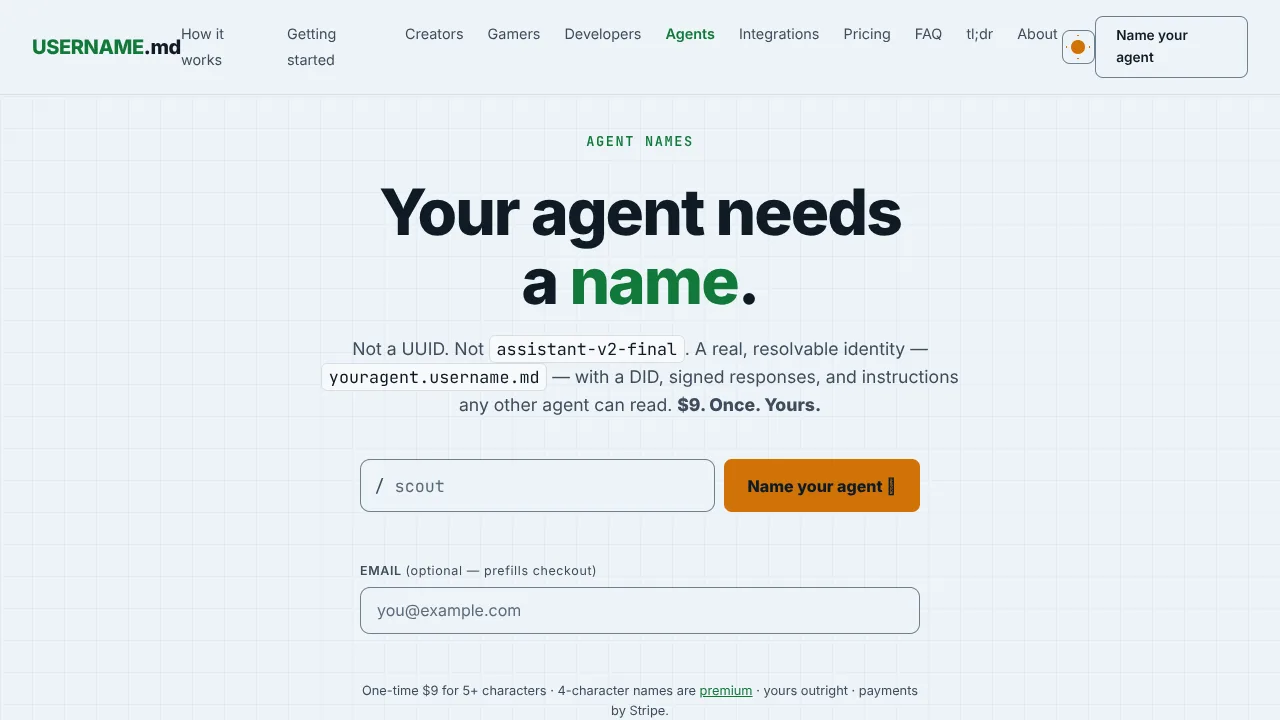
Persistent, verifiable web identities for AI agents with a resolvable handle, did:web DID, signed responses, llms.txt, and MCP lookup.