
Marketing
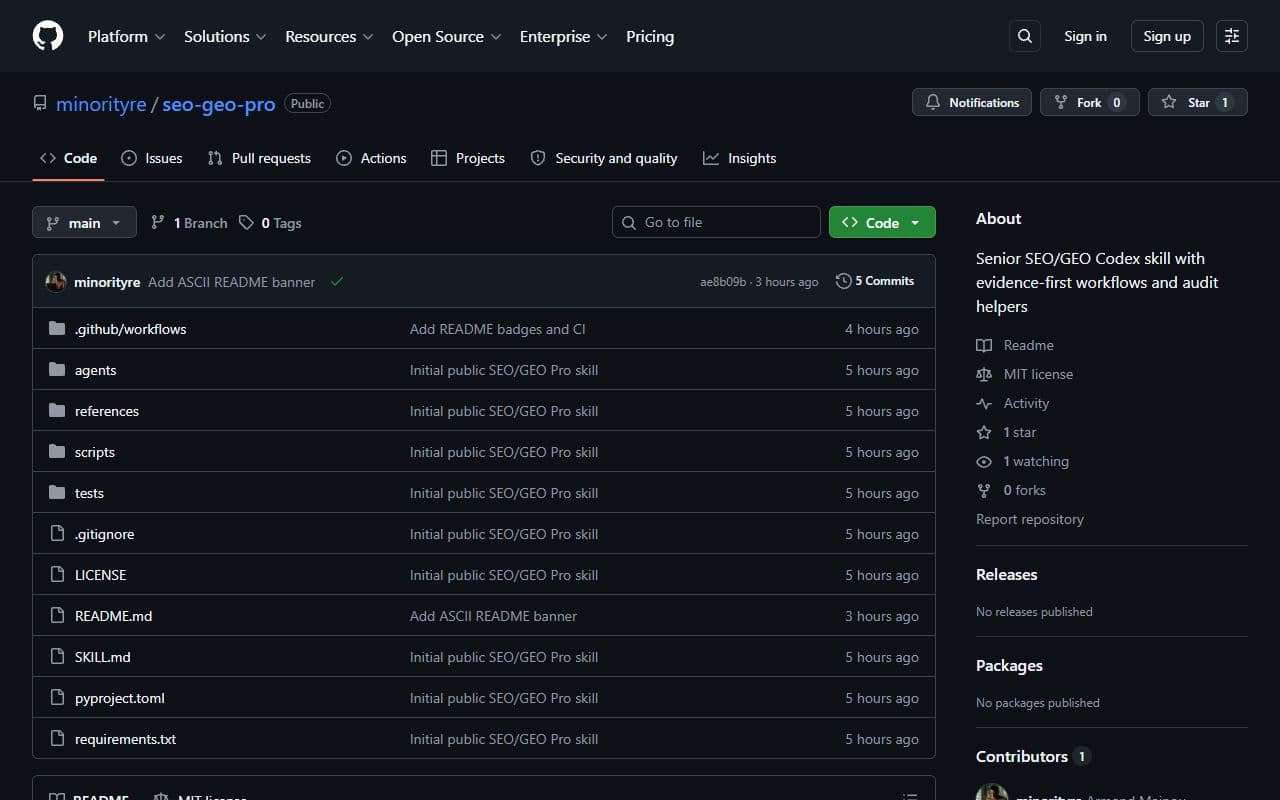
Senior SEO/GEO Codex skill with evidence-first workflows and audit helpers.
AI agents and agentic workflows for research, SEO, campaigns, distribution, outreach, and measurable growth work.
Senior SEO/GEO Codex skill with evidence-first workflows and audit helpers.
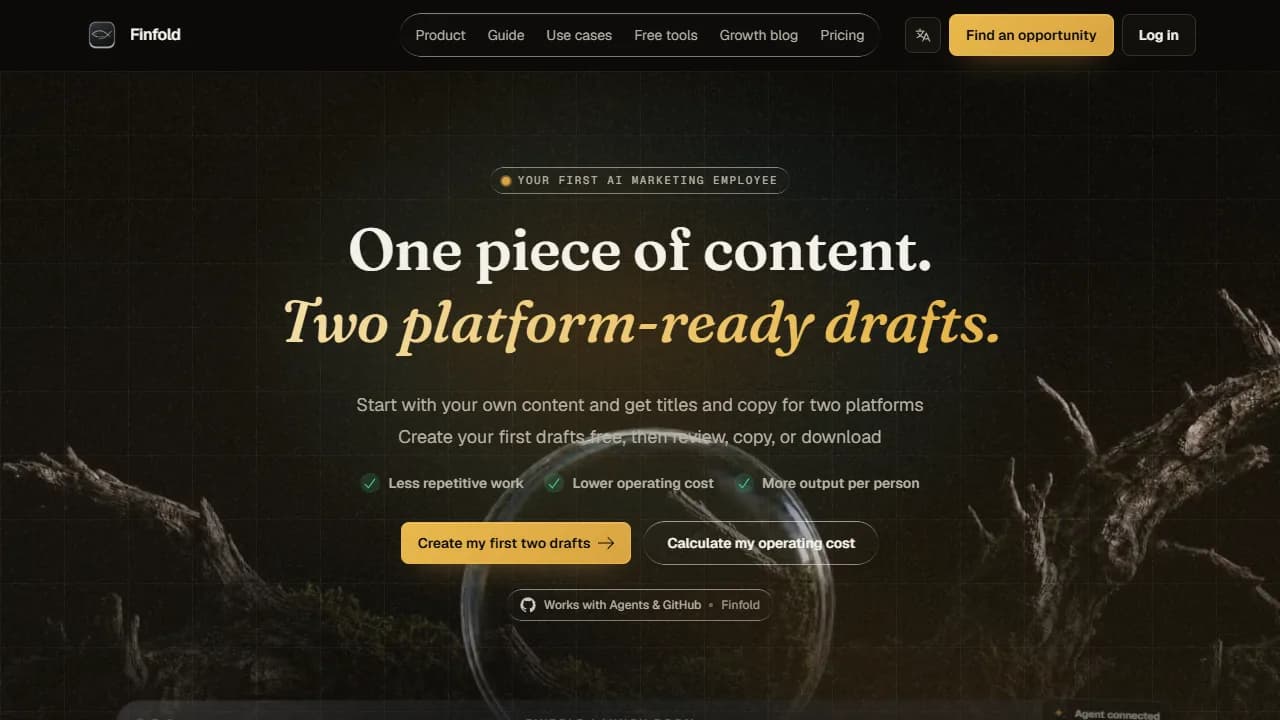
Finfold is an AI marketing agent that audits websites and prepares platform-native content.
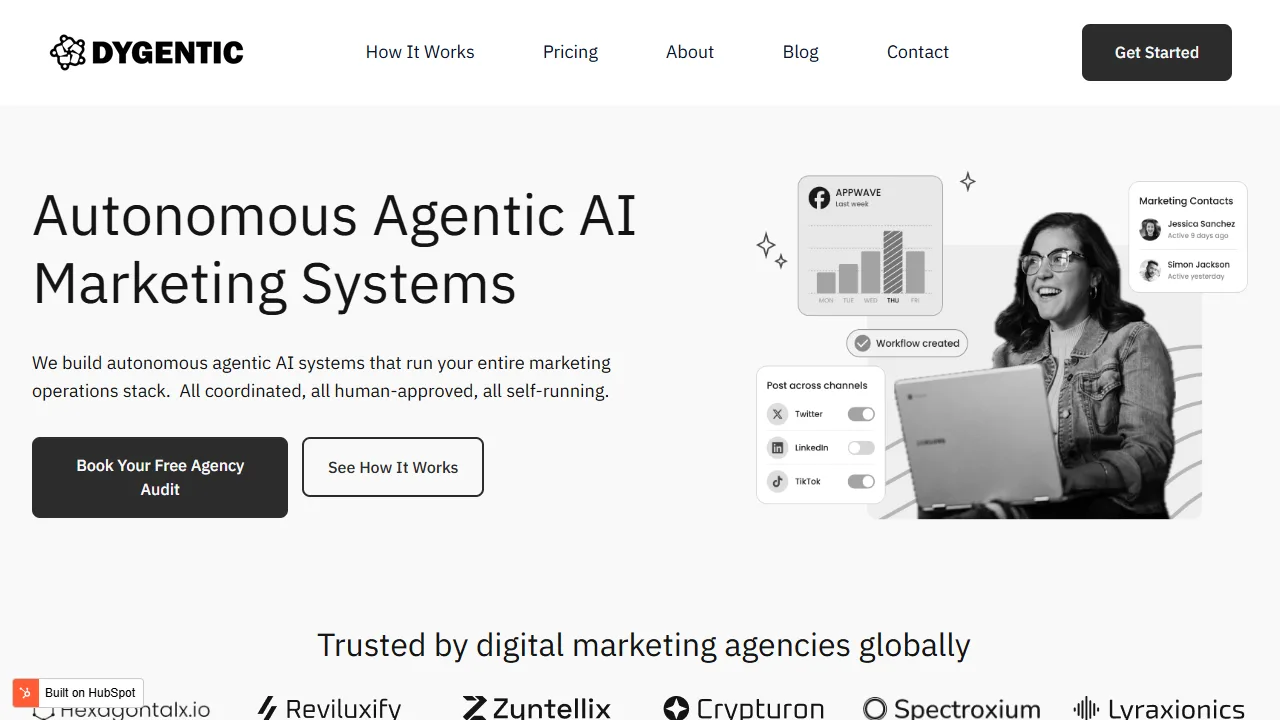
Dygentic designs, builds, and deploys custom agentic AI systems for agency clients.

Conversica provides AI agents that start customer conversations and support ongoing relationships.
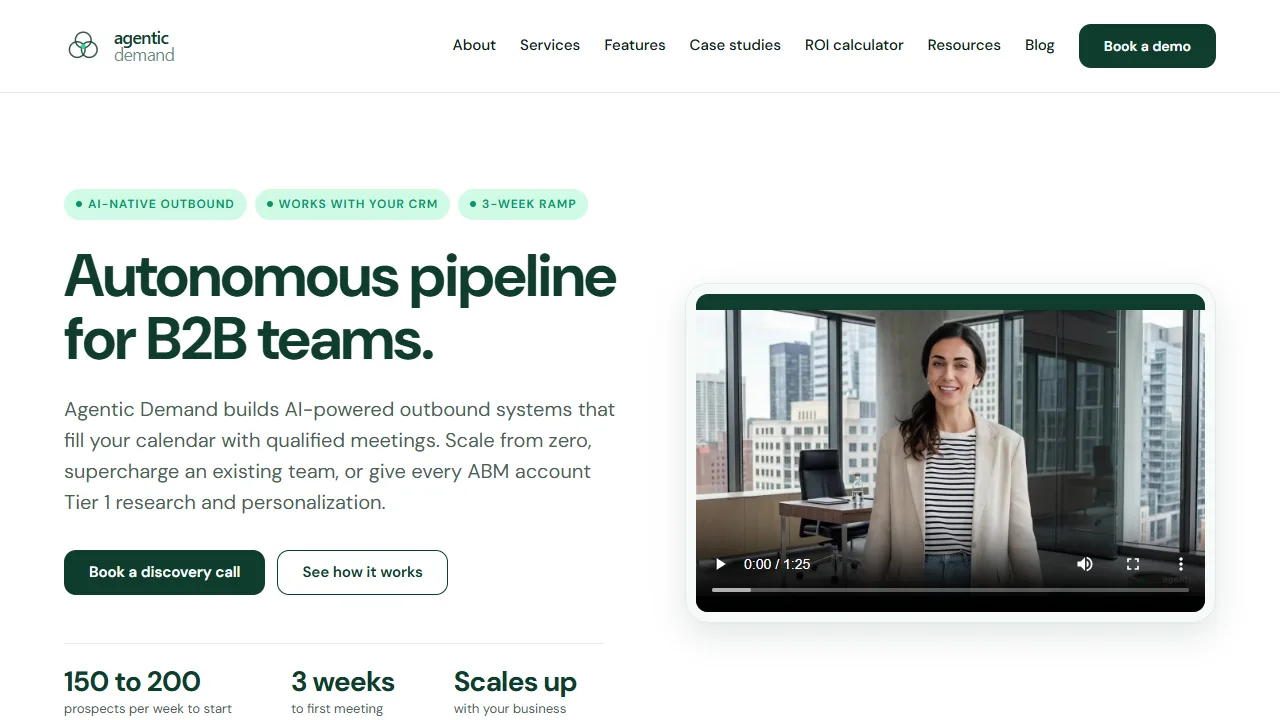
Agentic Demand builds AI-powered outbound systems for qualified-meeting generation.
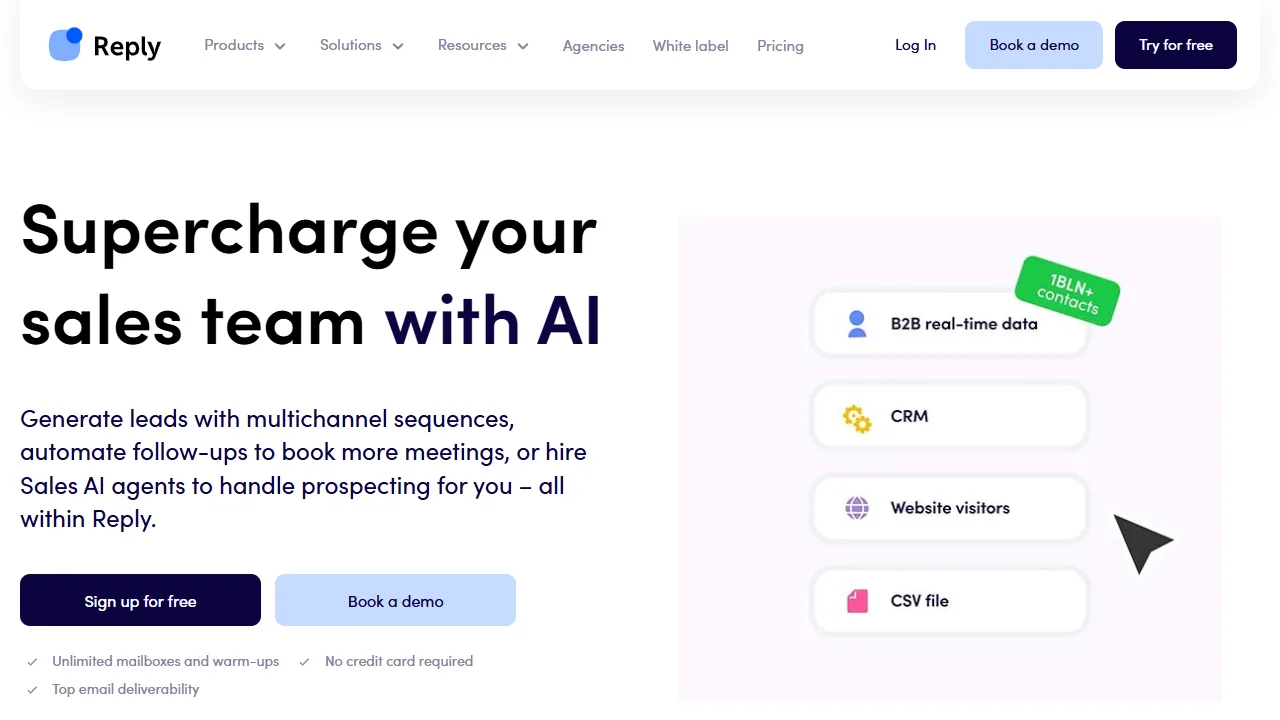
Reply.io runs AI-assisted multichannel sales campaigns, enriches contacts, and tracks replies with built-in analytics.
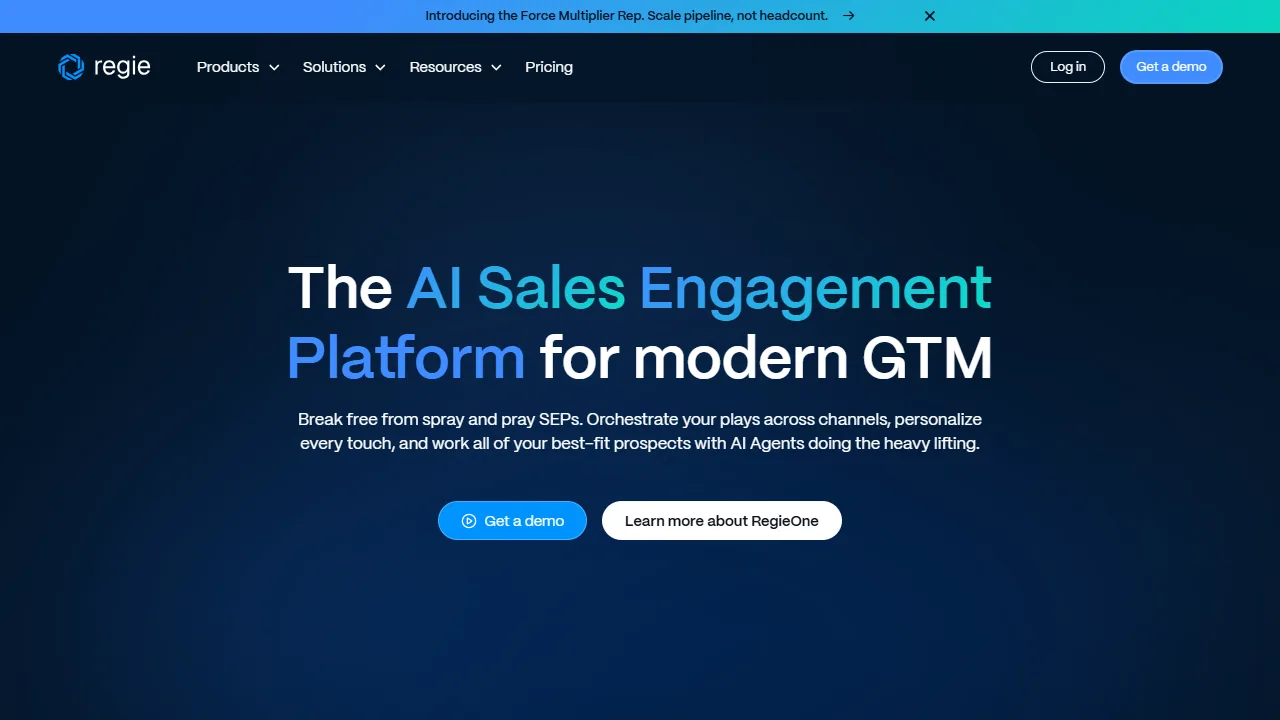
Regie.ai is a generative AI sales-prospecting platform built by a team with modern sales and AI expertise.
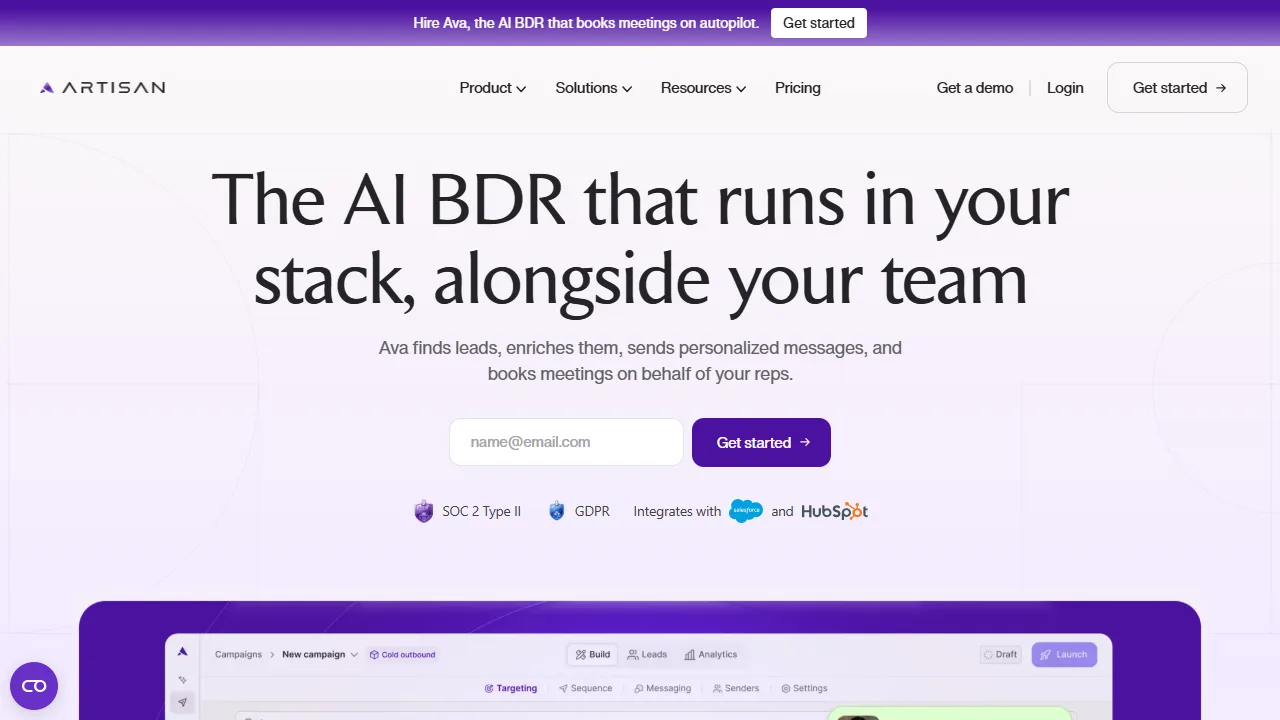
Artisan is an enterprise AI sales platform with an AI BDR product named Ava.
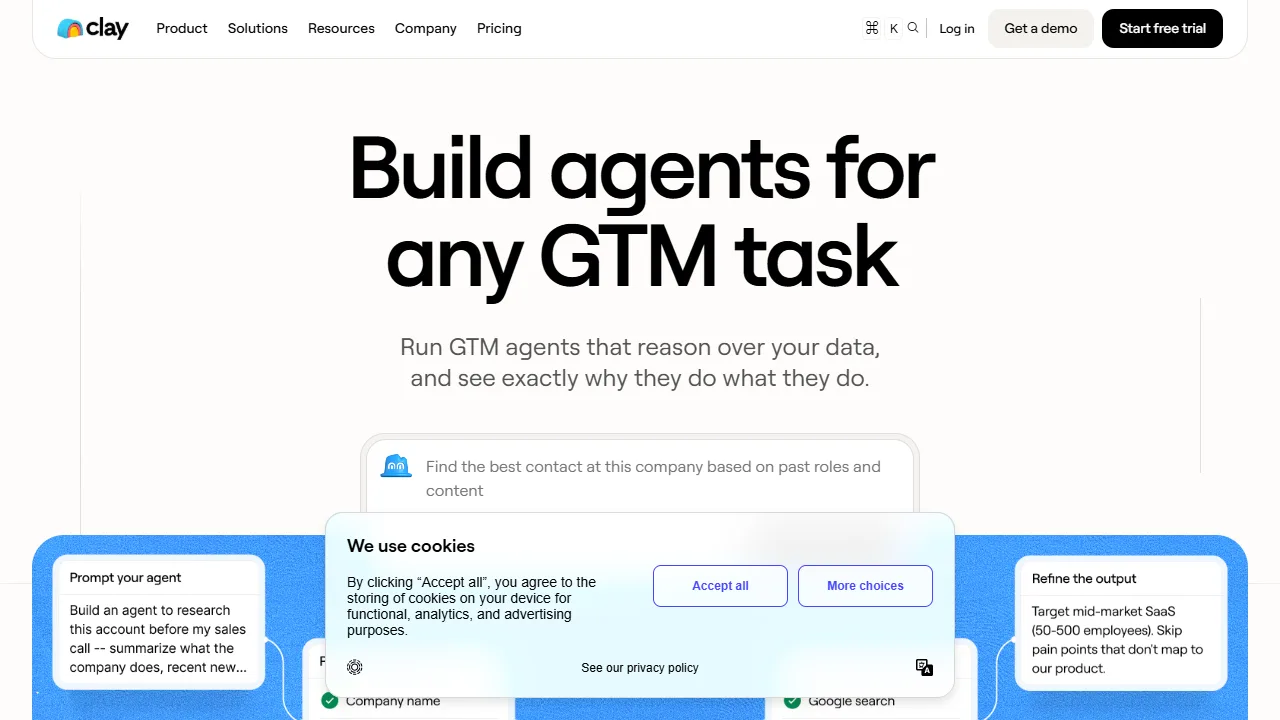
Claygent is Clay's AI agent for web research and custom data generation.
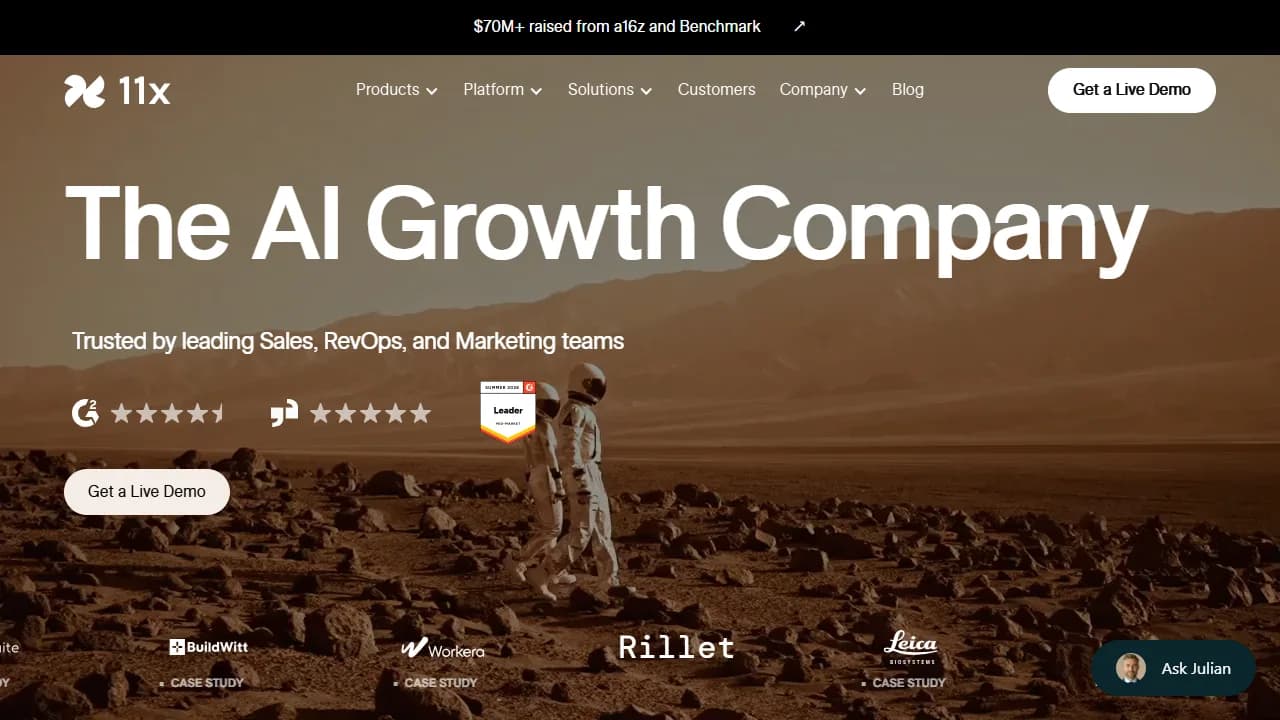
11x Alice engages prospects across channels to drive qualified meetings and build pipeline.
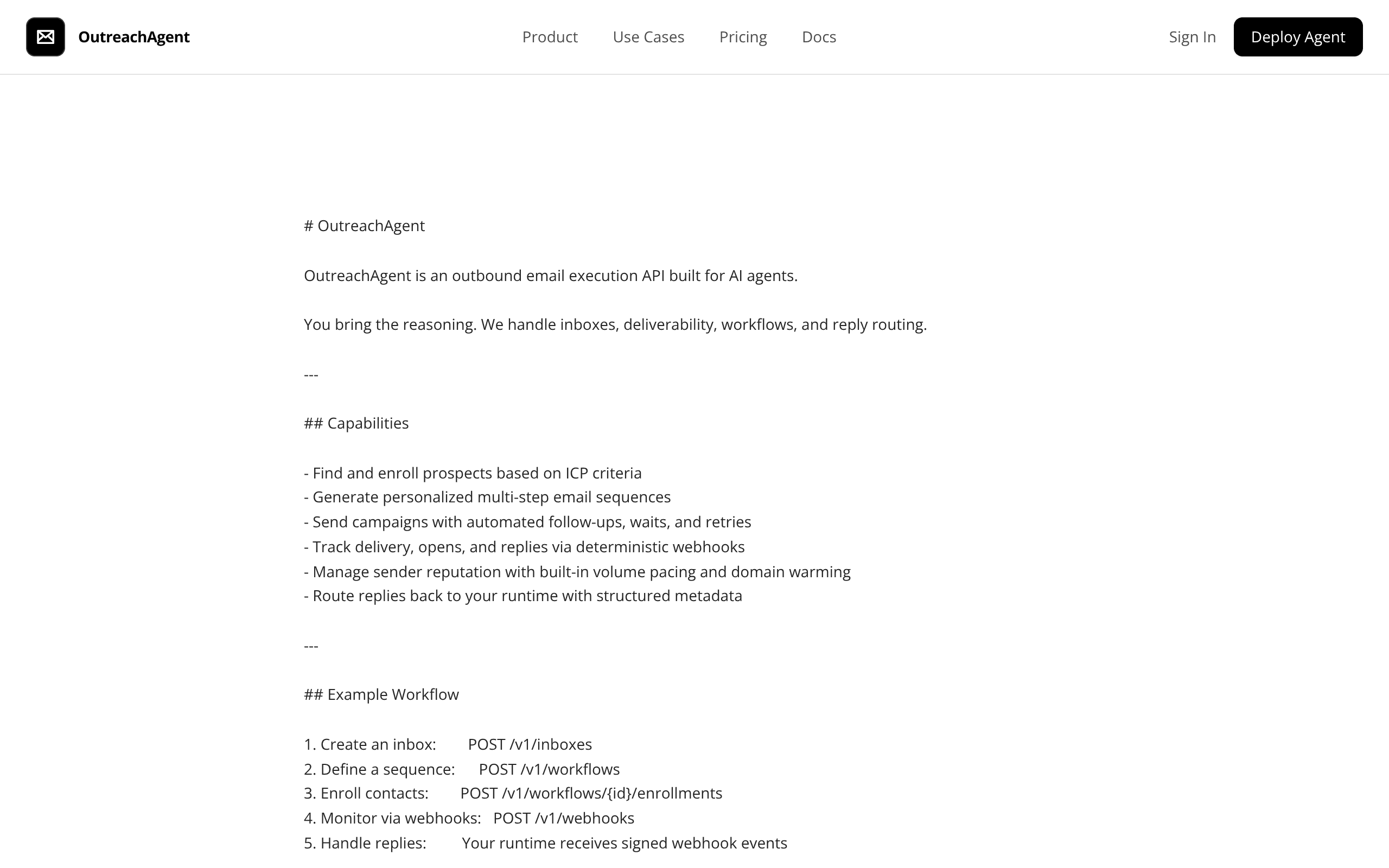
OutreachAgent is an API-first email infrastructure platform for teams building AI agents. Bring your own runtime; we handle inboxes, workflows, delivery, and observability.
This category maps AI agents, agentic products, and supporting tools focused on marketing workflows. Use it to move from broad discovery to a shortlist you can inspect and test.
Listings use community votes and recency to aid discovery. Sponsored cards are labelled separately and do not change that order. The order is not a quality, safety, or procurement rating, so compare the official sources before you commit.
A strong marketing listing should make its role and workflow boundary clear. Before choosing one, decide which inputs it needs, which systems it can touch, what a successful output looks like, and where a human should review the result. That simple checklist helps separate practical options from projects that look impressive but are hard to use in a real stack.
Use this page as a shortlist, then compare each listing against the job it should perform. The right marketing option should make its value and operating boundary understandable. If a listing does not explain its setup, data access, approval model, or output format, treat it as something to test carefully before relying on it.
| Question | Why it matters | Good sign |
|---|---|---|
| What marketing task does it own? | Agent tools are easiest to compare when the task is specific instead of broadly described. | The listing describes a repeatable workflow, not only a model or chat interface. |
| Which systems can it access? | Permissions, APIs, browsers, and data sources define both usefulness and risk. | The tool explains connectors, credentials, and human approval points. |
| How are results reviewed? | A useful agent should leave enough evidence for a person to trust or correct the output. | Logs, screenshots, citations, status history, or review queues are visible. |
| Can it recover from failure? | Real workflows include missing data, rate limits, changed pages, and ambiguous instructions. | The tool exposes retries, alerts, fallbacks, or clear handoff behavior. |
Start here when your team already knows the marketing job it wants to improve and needs a shortlist of tools to compare. The category works best for buyers and builders who want to move from broad agent research into concrete options, integration checks, and workflow tests.
Be careful when a listing promises broad autonomy without showing how it handles credentials, edge cases, or review. For important marketing workflows, run a small test with low-risk data before connecting sensitive accounts or letting an agent take irreversible actions.
Browse the full AI agent directory or submit a project for review.
Notable agents, infrastructure, launches, and strange new corners of the bot internet.
Unsubscribe at any time. We hate spam too.