
Is this your project? Give it 30 days of featured visibility.
Promote your projectBrowserGym
Open-source framework for training, evaluating, and benchmarking web agents in browser environments.
Directory description / not source-linked
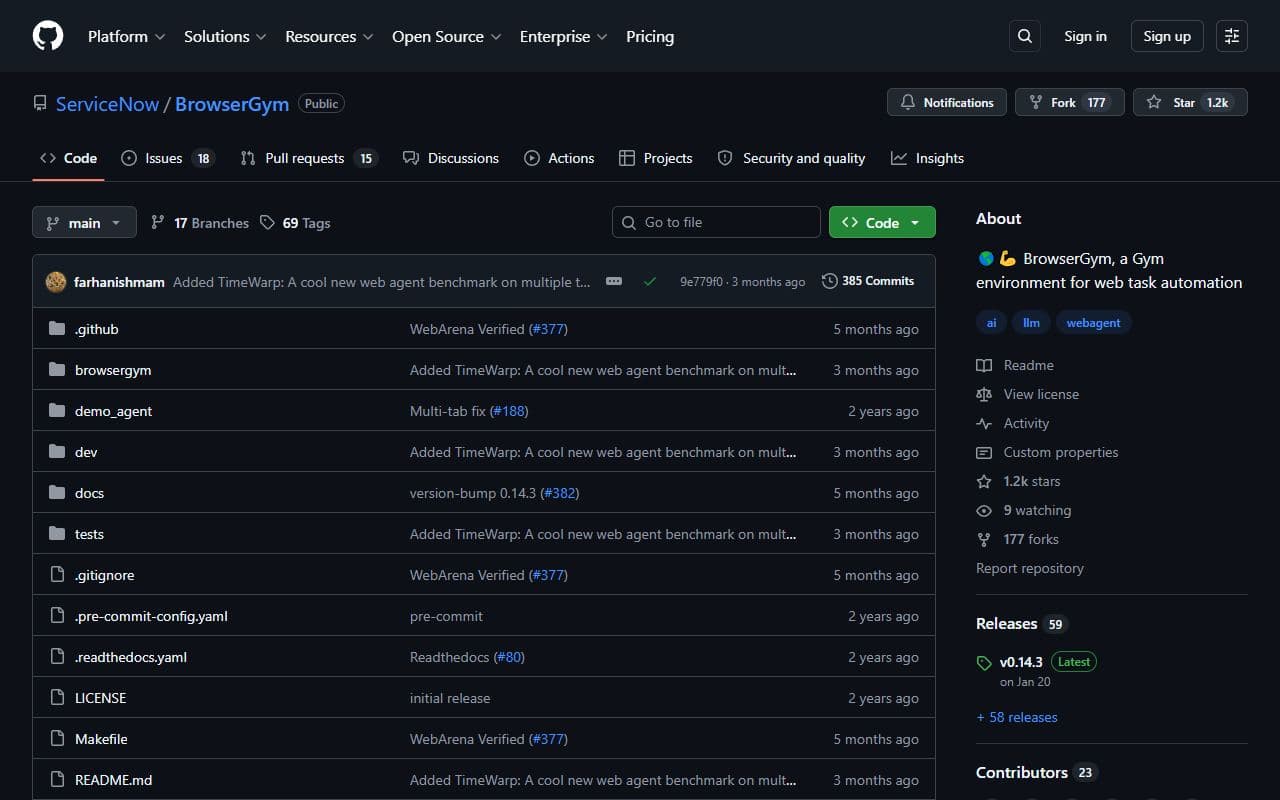
Additional AI-assisted overview
BrowserGym is an open-source framework specifically engineered to support the rigorous training, evaluation, and benchmarking of artificial intelligence agents designed to operate within web browser environments.
As a comprehensive utility, it provides the foundational infrastructure necessary for developers and researchers to systematically build and refine their web agents. The framework addresses the critical need for a structured approach to agent development, enabling consistent and reliable performance assessment in complex, dynamic web interfaces.
Unverified fallback. This legacy AI-assisted copy is not used as evidence for the structured facts or decision guidance on this page.
Capabilities
Source-backed claims are preferred. AI-assisted fallback items are labelled individually.
Open-source framework architecture
AI-assisted fallback / unverified
Provides an environment for training web agents
AI-assisted fallback / unverified
Supports the evaluation of web agent performance
AI-assisted fallback / unverified
Enables benchmarking and comparison of various web agents
AI-assisted fallback / unverified
Facilitates agent operation within browser environments
AI-assisted fallback / unverified
Offers tools for the development of web-interacting AI agents
AI-assisted fallback / unverified
Aids in the comparative analysis of agent effectiveness
AI-assisted fallback / unverified
Use cases
Source-backed claims are preferred. AI-assisted fallback items are labelled individually.
Developing and refining AI agents for web interaction tasks
AI-assisted fallback / unverified
Systematically evaluating the performance and reliability of web agents
AI-assisted fallback / unverified
Benchmarking different AI agent implementations or versions
AI-assisted fallback / unverified
Training agents to operate effectively within specific browser environments
AI-assisted fallback / unverified
Establishing standardized testing protocols for AI agents interacting with web interfaces
AI-assisted fallback / unverified
How ClawSites assesses BrowserGym
No source-backed best-for or limitation claim is published yet. Unsupported conclusions are omitted until a checked source supports them.
Method: ClawSites keeps discovery copy separate from publishable claims, retains a source excerpt, and displays the date each cited source was checked. Pricing and availability can still change after that date.
Related to BrowserGym
Similar directory context, not an editorial claim that these products are interchangeable.
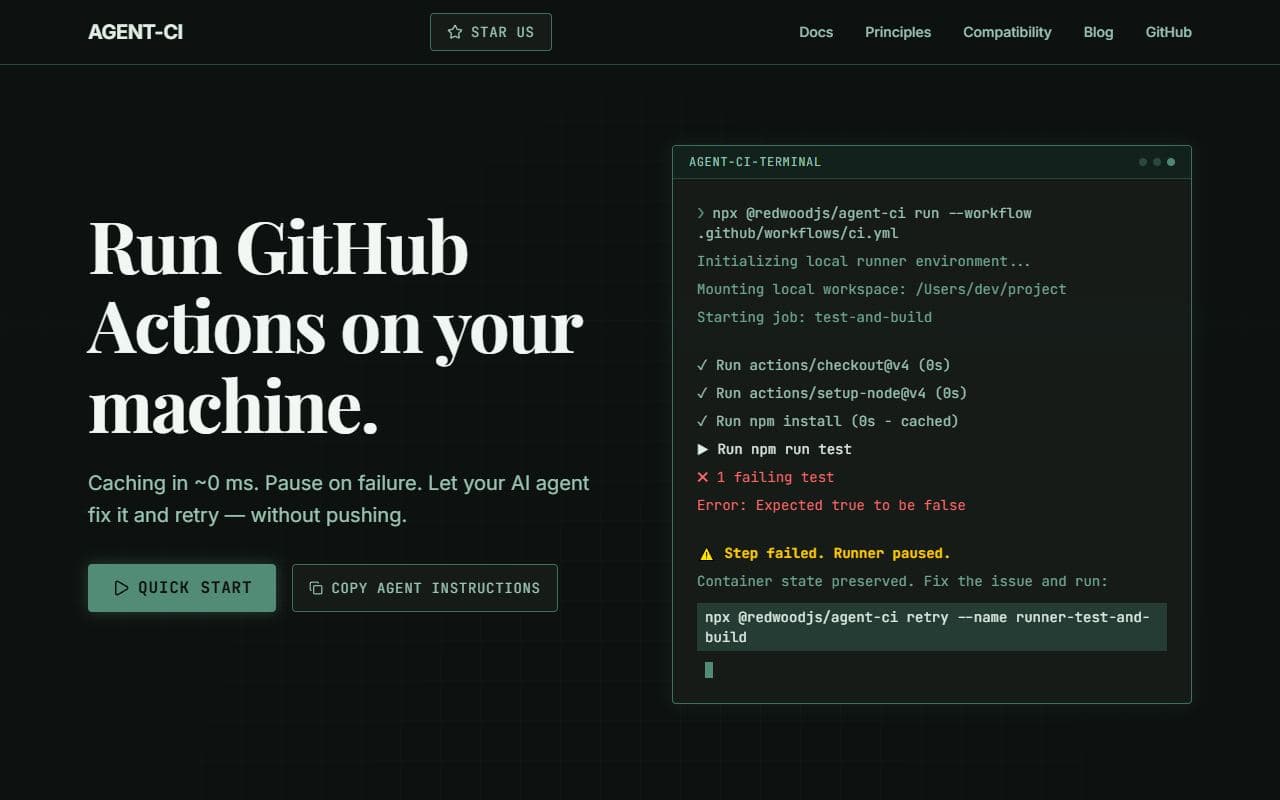
Local GitHub Actions runner designed for AI-agent development loops and repeatable validation.
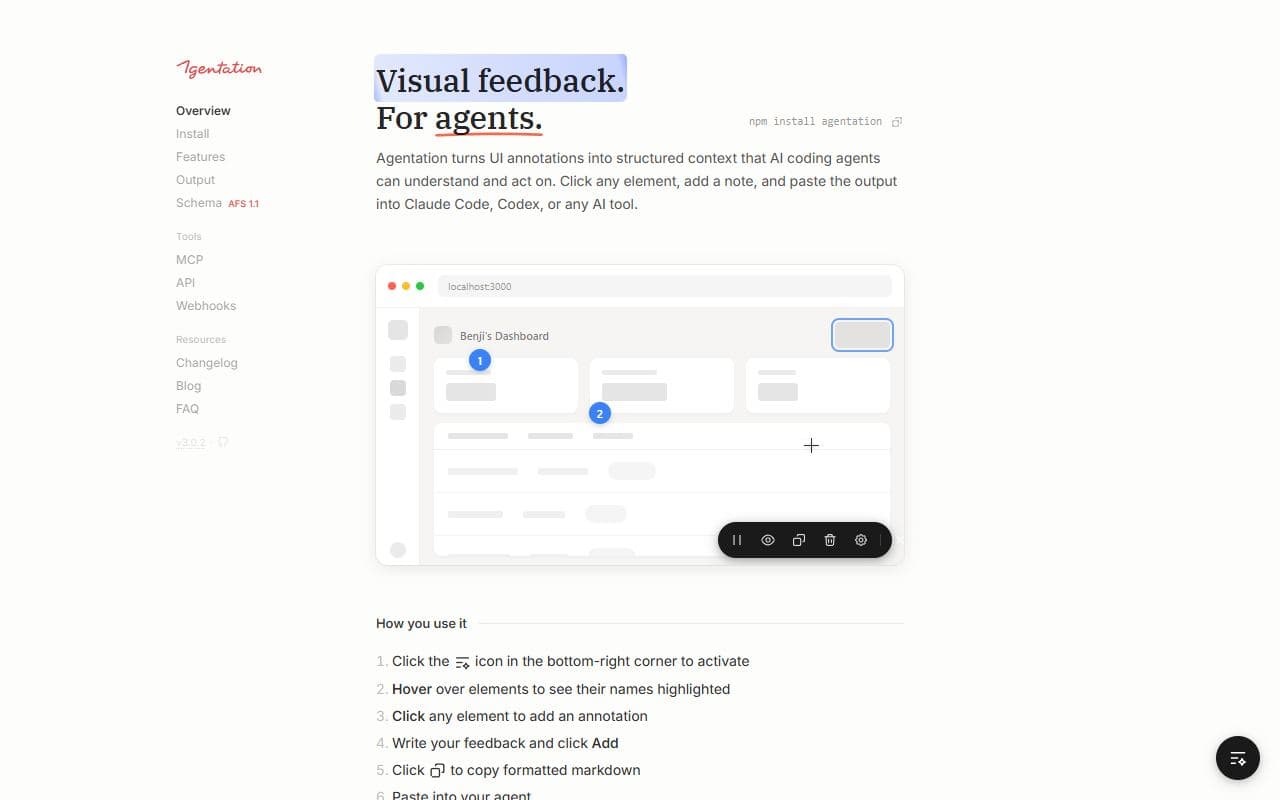
Visual UI annotation and structured feedback tool for AI coding agents.
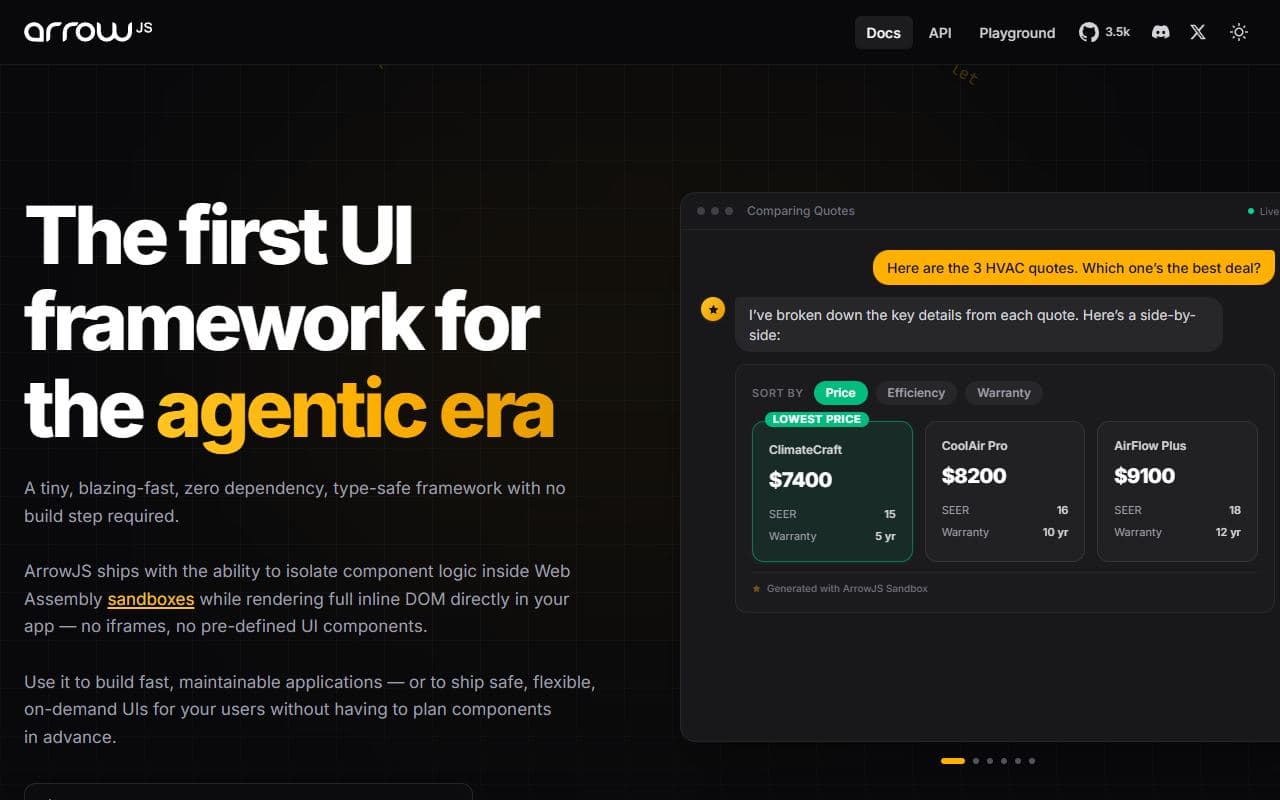
Agent-era UI framework with WASM sandboxes for safe generated interfaces.
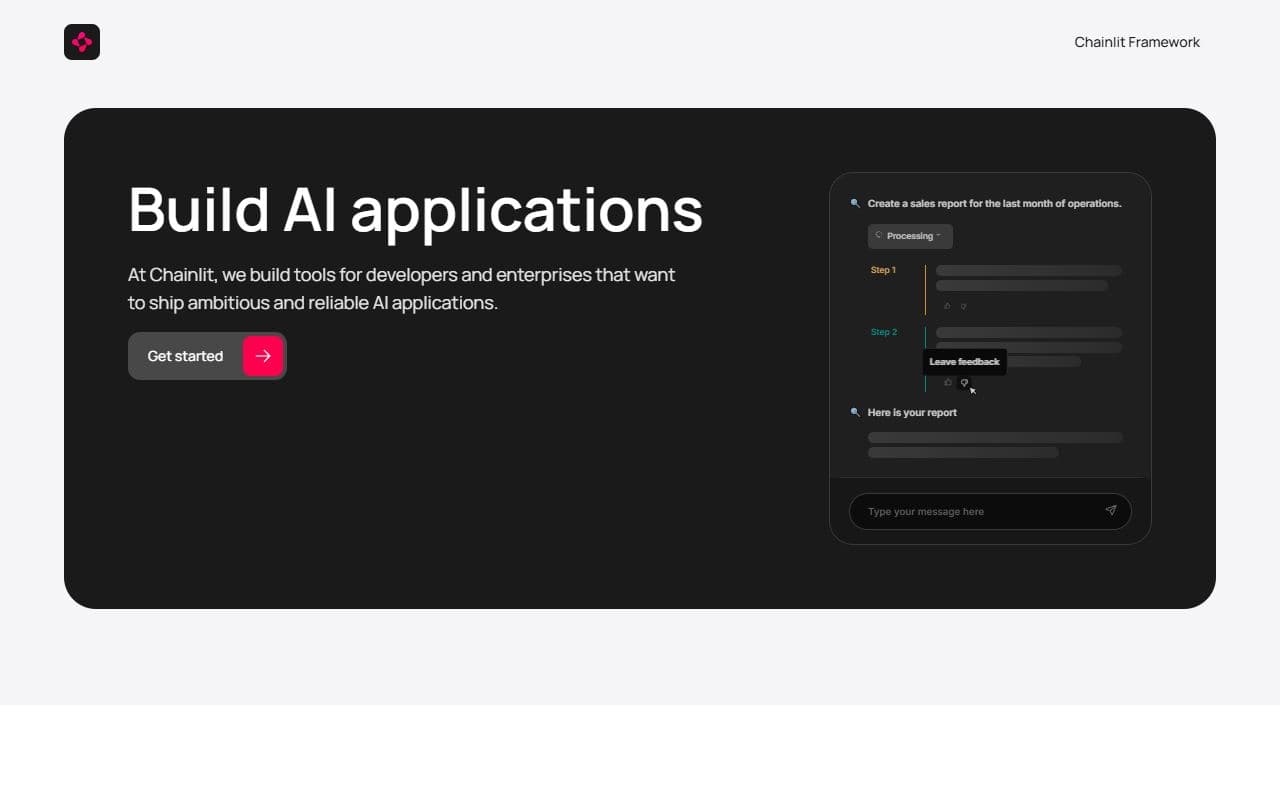
Open-source framework for building conversational AI interfaces, agent demos, and internal LLM applications quickly.
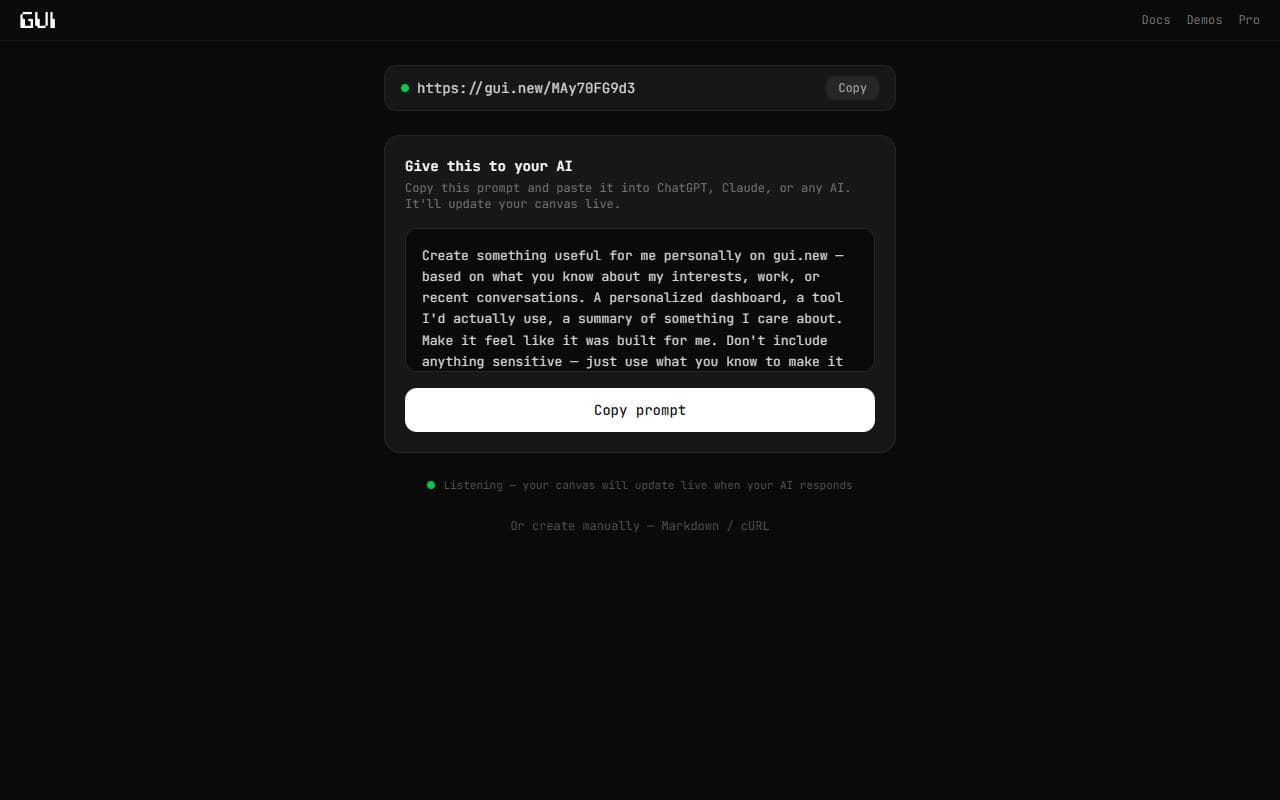
Hosted visual pages and shareable links for agent-generated interfaces.
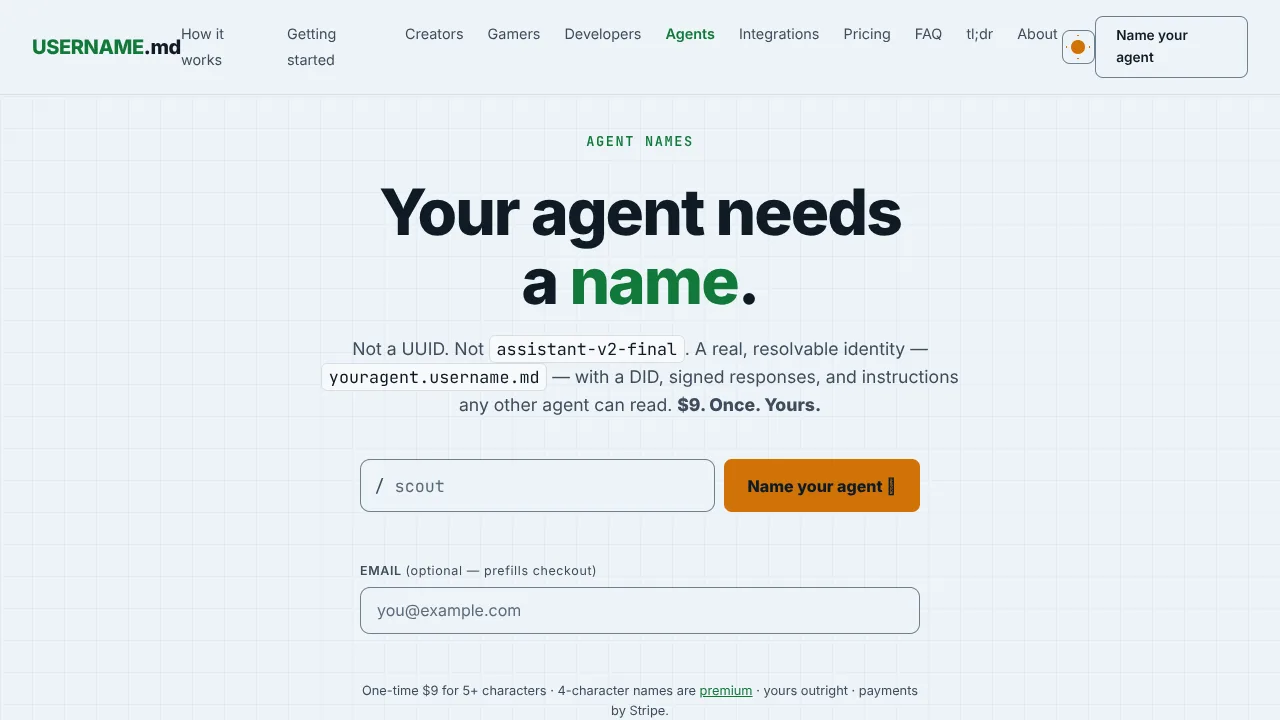
Persistent, verifiable web identities for AI agents with a resolvable handle, did:web DID, signed responses, llms.txt, and MCP lookup.