
Is this your project? Give it 30 days of featured visibility.
Promote your projectPydanticAI
Python agent framework from the Pydantic ecosystem for type-safe AI applications and agent workflows.
Directory description / not source-linked
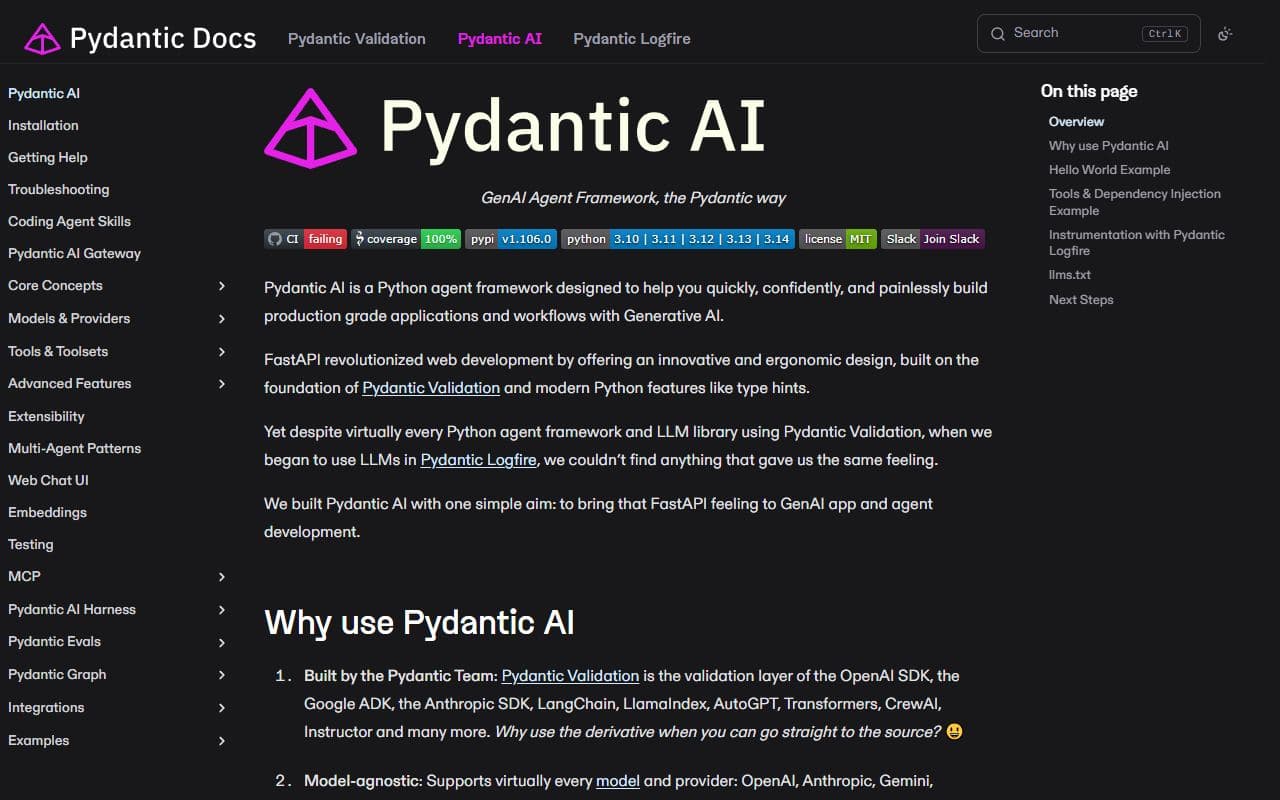
Additional AI-assisted overview
PydanticAI is a robust Python agent framework designed to facilitate the creation of type-safe AI applications and complex agent workflows.
Originating from the trusted Pydantic ecosystem, it provides developers with the tools necessary to build intelligent systems that prioritize data integrity and reliability. This framework is engineered to empower developers in crafting sophisticated AI solutions, ensuring that the interactions and data flows within their applications are meticulously validated and structured. Leveraging the strengths of Pydantic, PydanticAI enables the development of AI agents where data models are inherently secure and predictable. This focus on type safety is crucial for building scalable and maintainable AI applications, mitigating common errors associated with unstructured data handling. By integrating seamlessly into the broader Pydantic ecosystem, PydanticAI extends familiar development paradigms to the realm of artificial intelligence, offering a consistent and efficient approach to agent-based system design. Its utility extends across various AI development stages, from initial prototyping to deploying robust, production-grade agent workflows.
Unverified fallback. This legacy AI-assisted copy is not used as evidence for the structured facts or decision guidance on this page.
Capabilities
Source-backed claims are preferred. AI-assisted fallback items are labelled individually.
Python-based agent framework for AI development
AI-assisted fallback / unverified
Supports building type-safe AI applications
AI-assisted fallback / unverified
Facilitates the design and orchestration of agent workflows
AI-assisted fallback / unverified
Leverages the Pydantic ecosystem for data validation and modeling
AI-assisted fallback / unverified
Provides structured development paradigms for AI agents
AI-assisted fallback / unverified
Aids in creating robust and reliable AI systems
AI-assisted fallback / unverified
Use cases
Source-backed claims are preferred. AI-assisted fallback items are labelled individually.
Developing intelligent agents that require robust data validation
AI-assisted fallback / unverified
Building AI applications with strong type safety guarantees
AI-assisted fallback / unverified
Orchestrating multi-step or complex agent workflows
AI-assisted fallback / unverified
Creating production-ready AI systems where data integrity is critical
AI-assisted fallback / unverified
How ClawSites assesses PydanticAI
No source-backed best-for or limitation claim is published yet. Unsupported conclusions are omitted until a checked source supports them.
Method: ClawSites keeps discovery copy separate from publishable claims, retains a source excerpt, and displays the date each cited source was checked. Pricing and availability can still change after that date.
Related to PydanticAI
Similar directory context, not an editorial claim that these products are interchangeable.
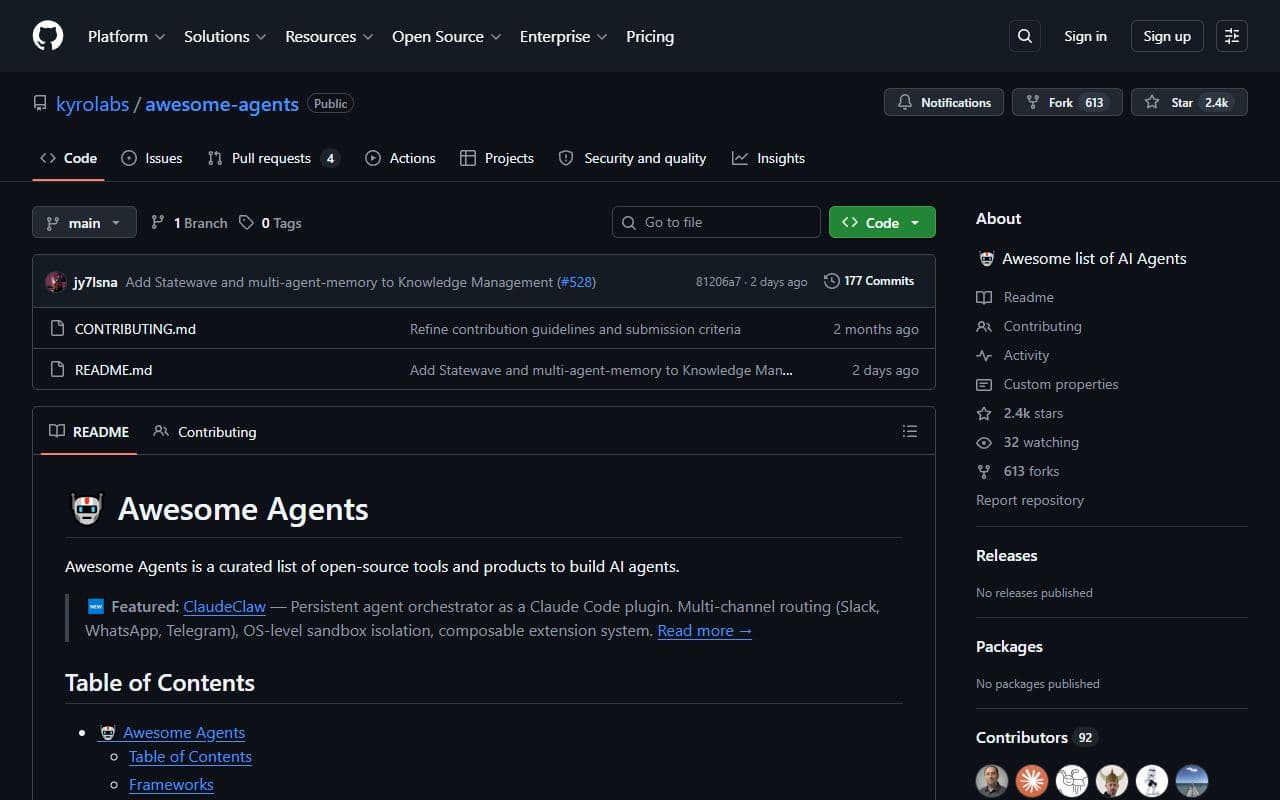
Curated GitHub list of AI agents, frameworks, protocols, papers, and tooling resources.
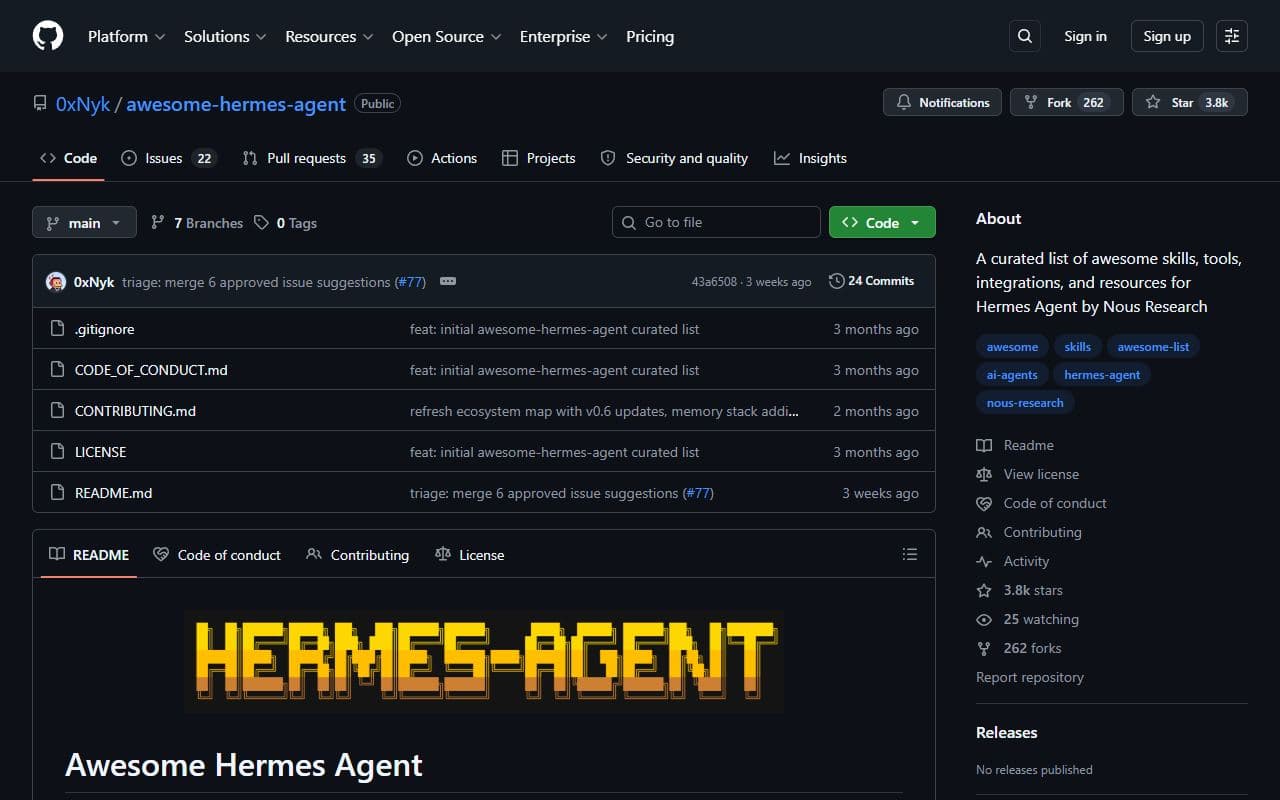
Community-curated list of Hermes Agent tools, skills, tutorials, and ecosystem projects.
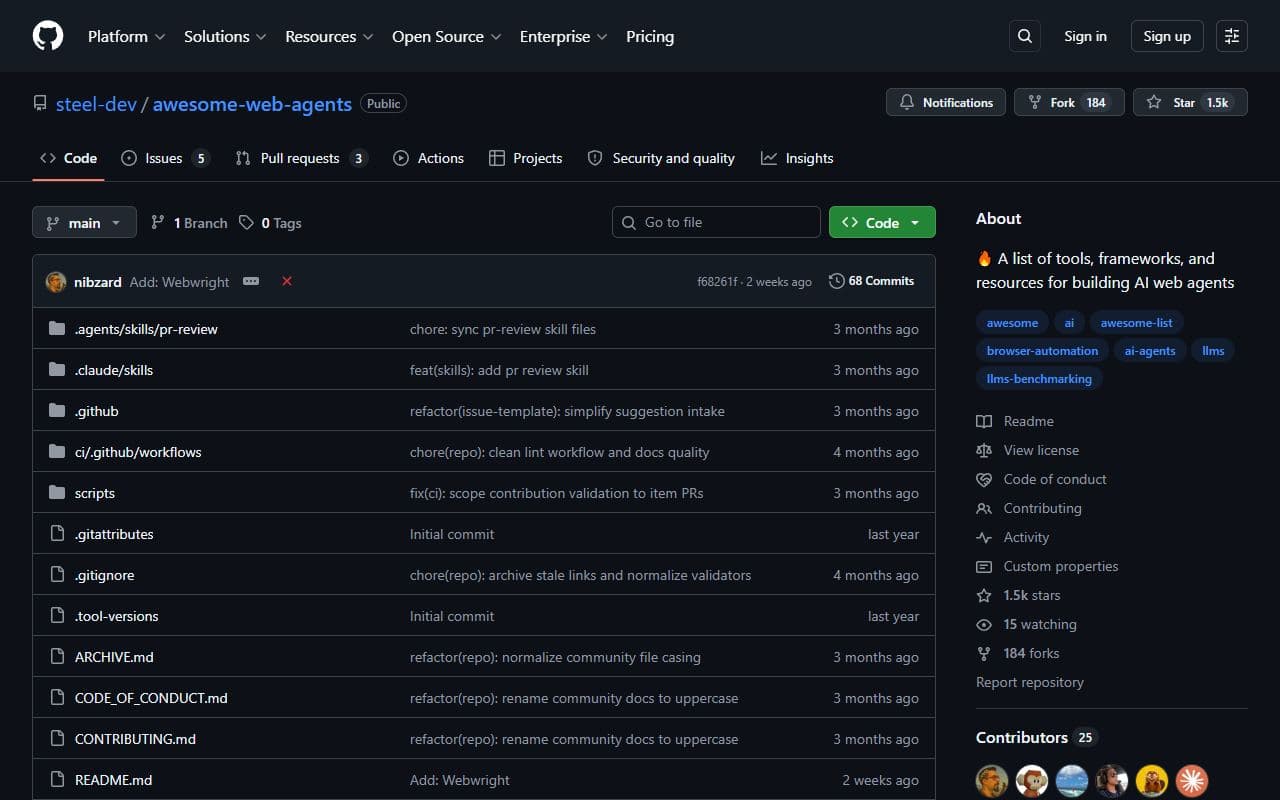
Curated list focused on web agents, browser automation frameworks, and web-control infrastructure for AI agents.
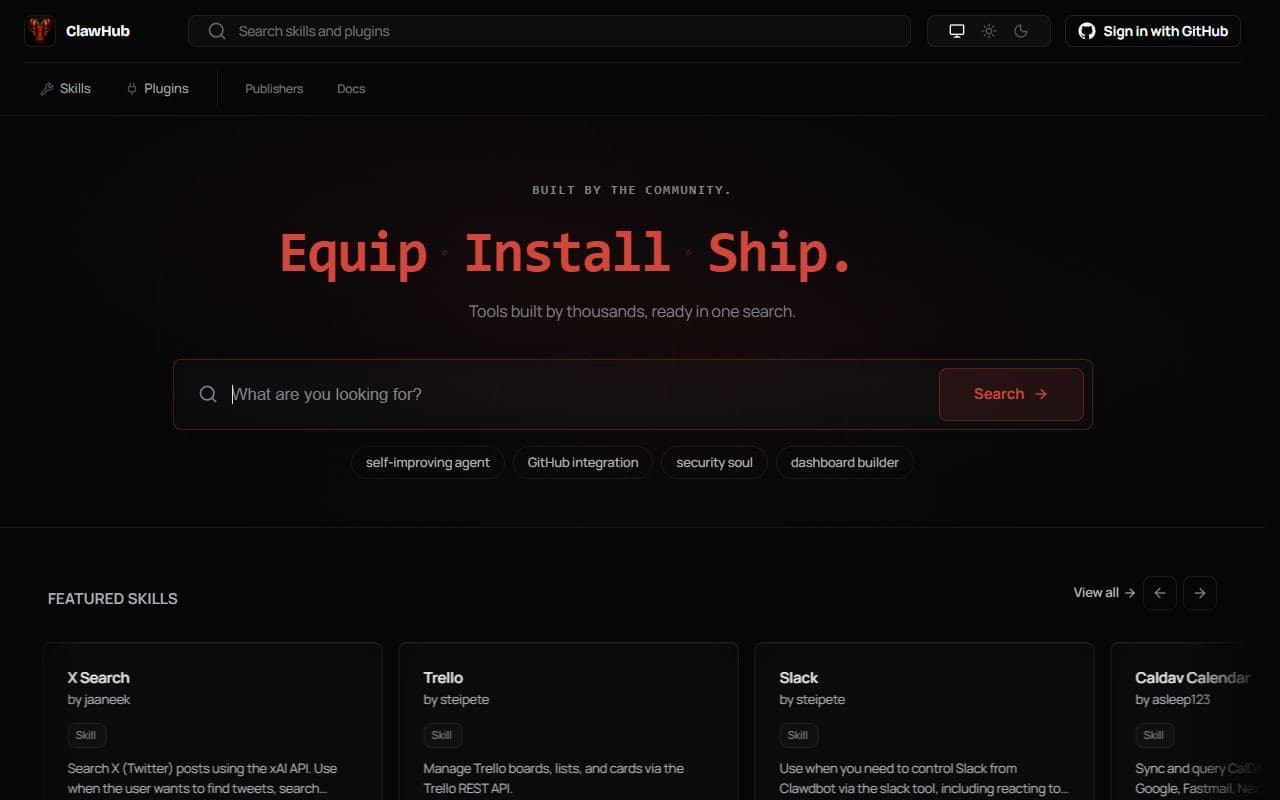
Official marketplace and discovery hub for OpenClaw skills, extensions, and agent capabilities.
Google Agent Development Kit documentation and tooling for building, evaluating, and deploying AI agents.
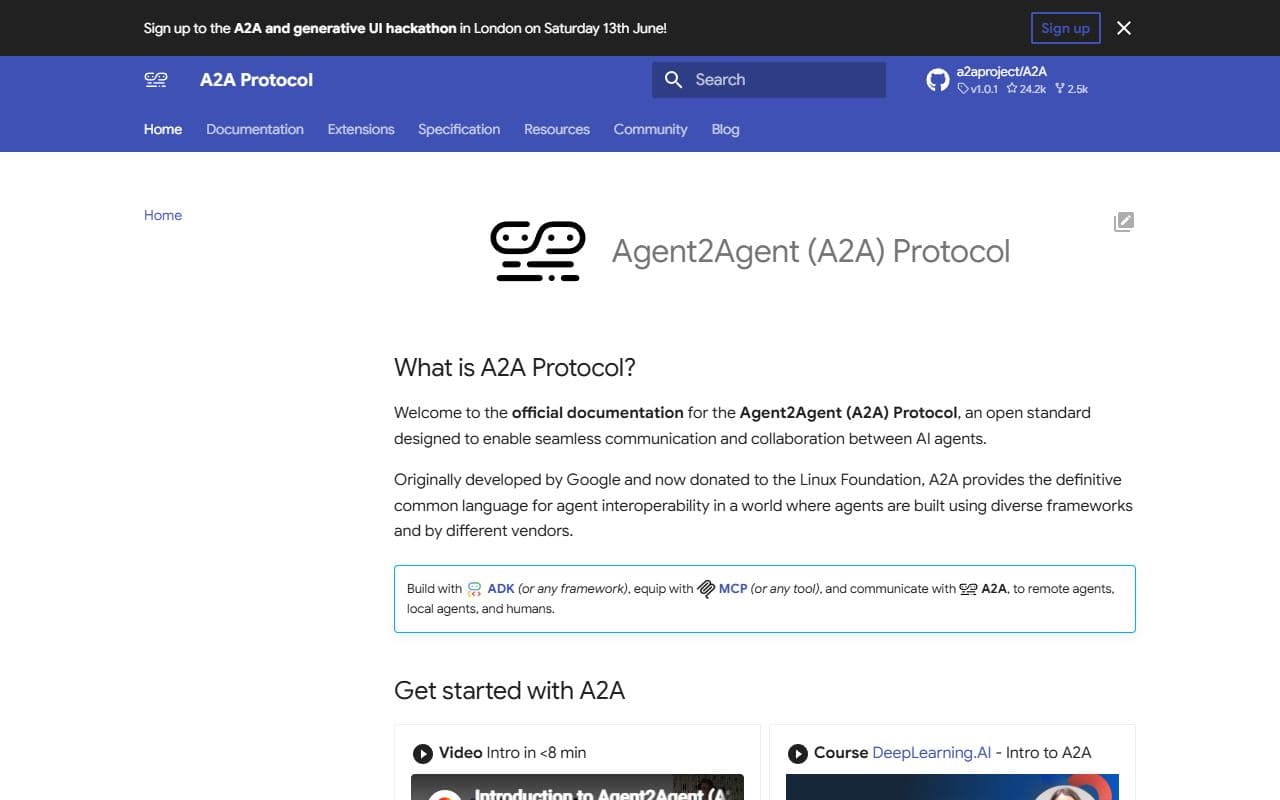
Documentation resource for the Agent2Agent protocol and agent interoperability concepts.