Is this your project? Give it 30 days of featured visibility.
Promote your projectClawHub
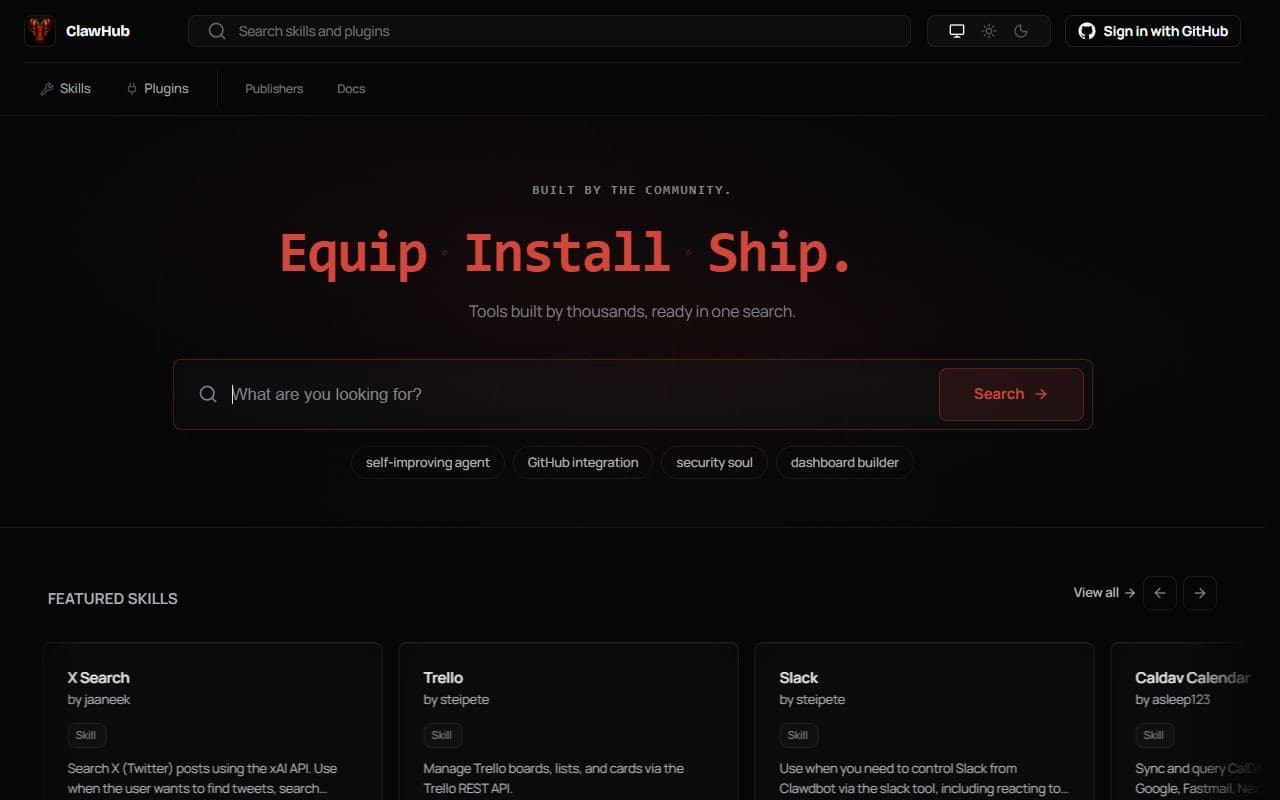
Official marketplace and discovery hub for OpenClaw skills, extensions, and agent capabilities.
Directory description / not source-linked
Additional AI-assisted overview
ClawHub operates as the official marketplace and comprehensive discovery hub specifically designed for the OpenClaw ecosystem.
This platform serves as a centralized repository where users can explore, locate, and access a diverse range of AI agent components, including specialized skills, functional extensions, and complete agent capabilities tailored for OpenClaw. Its primary objective is to streamline the process of enhancing and customizing AI agents by providing a structured and reliable environment for resource discovery. Developers, researchers, and organizations involved with OpenClaw can utilize ClawHub to efficiently find the necessary building blocks to advance their AI projects and integrate new functionalities. As an official hub, ClawHub ensures that the listed resources meet certain standards, fostering a trustworthy and interconnected development community. The platform plays a critical role in facilitating innovation and collaboration within the OpenClaw space by making essential tools and knowledge readily available. Its focus on being a 'discovery hub' means it prioritizes ease of navigation and comprehensive information for each listed item, aiding users in making informed decisions about which skills or extensions best fit their requirements. Access to ClawHub's extensive catalog of OpenClaw skills, extensions, and agent capabilities is provided completely free of charge. This free availability significantly lowers barriers to entry for experimentation and deployment of advanced AI agent functionalities, encouraging widespread adoption and continuous development within the OpenClaw ecosystem. By centralizing these resources, ClawHub empowers a broad spectrum of users to build, expand, and optimize their AI agent applications without incurring additional costs for component discovery.
Unverified fallback. This legacy AI-assisted copy is not used as evidence for the structured facts or decision guidance on this page.
Capabilities
Source-backed claims are preferred. AI-assisted fallback items are labelled individually.
Centralized hub for OpenClaw skills, extensions, and agent capabilities.
AI-assisted fallback / unverified
Discovery functionality for various AI agent tools within the OpenClaw ecosystem.
AI-assisted fallback / unverified
Official source for OpenClaw-specific components.
AI-assisted fallback / unverified
Free access to the platform's listings and resources.
AI-assisted fallback / unverified
Detailed descriptions or documentation provided for listed items (inferred from 'DOCS' category).
AI-assisted fallback / unverified
Categorization or filtering options to facilitate navigation and exploration (inferred from 'discovery hub').
AI-assisted fallback / unverified
Platform to explore pre-built agent capabilities for OpenClaw.
AI-assisted fallback / unverified
Use cases
Source-backed claims are preferred. AI-assisted fallback items are labelled individually.
Discovering and integrating specialized skills to enhance OpenClaw-based AI agents.
AI-assisted fallback / unverified
Locating and implementing official extensions to expand AI agent functionalities.
AI-assisted fallback / unverified
Exploring and adopting pre-defined agent capabilities for various applications.
AI-assisted fallback / unverified
Researching available tools and components within the OpenClaw ecosystem for project planning.
AI-assisted fallback / unverified
Building and expanding the capabilities of OpenClaw AI agents with ready-to-use modules.
AI-assisted fallback / unverified
How ClawSites assesses ClawHub
No source-backed best-for or limitation claim is published yet. Unsupported conclusions are omitted until a checked source supports them.
Method: ClawSites keeps discovery copy separate from publishable claims, retains a source excerpt, and displays the date each cited source was checked. Pricing and availability can still change after that date.
Related to ClawHub
Similar directory context, not an editorial claim that these products are interchangeable.
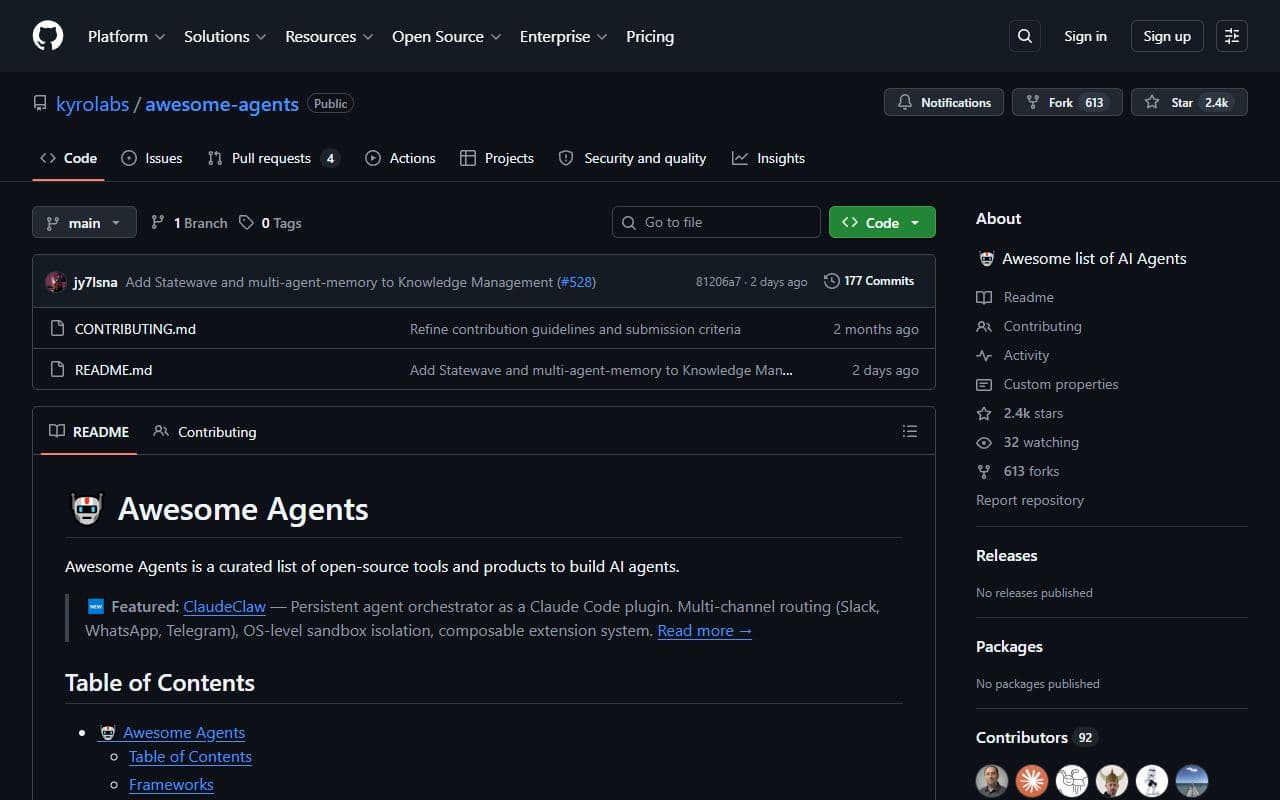
Curated GitHub list of AI agents, frameworks, protocols, papers, and tooling resources.
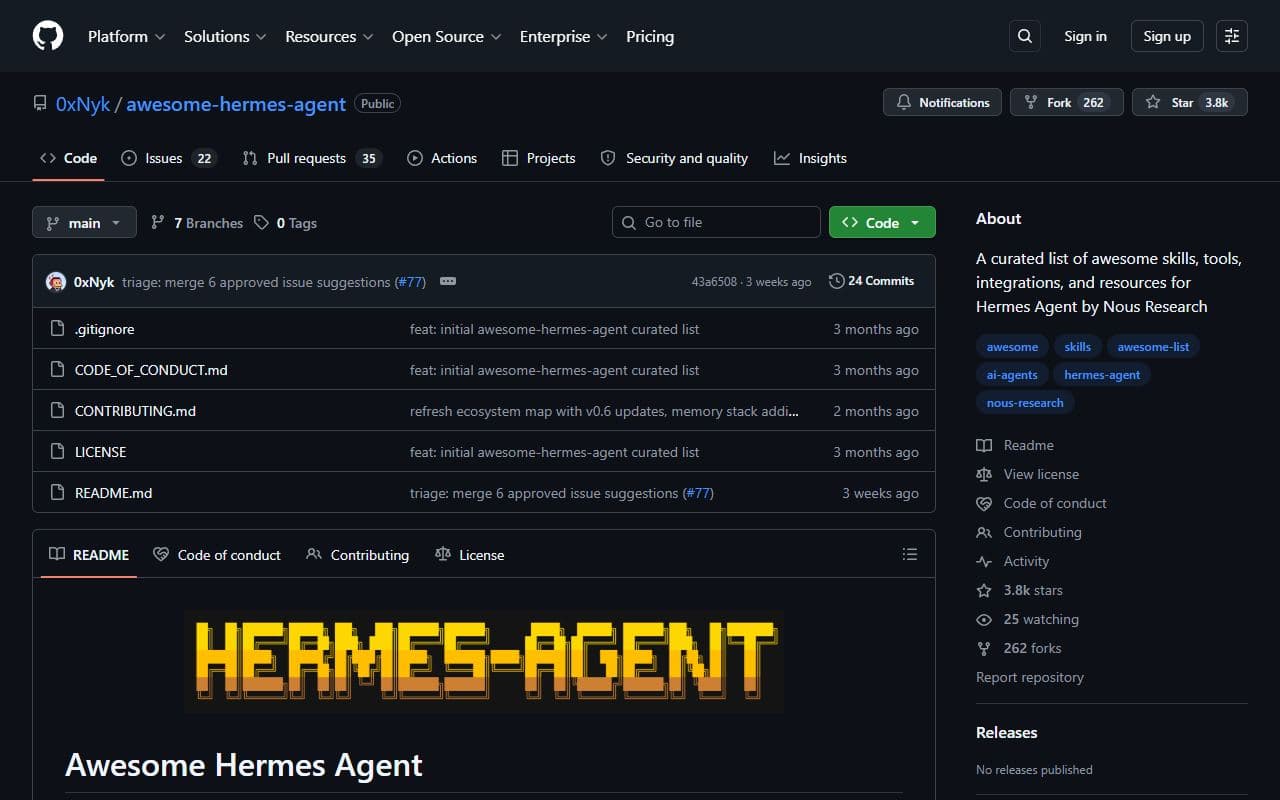
Community-curated list of Hermes Agent tools, skills, tutorials, and ecosystem projects.
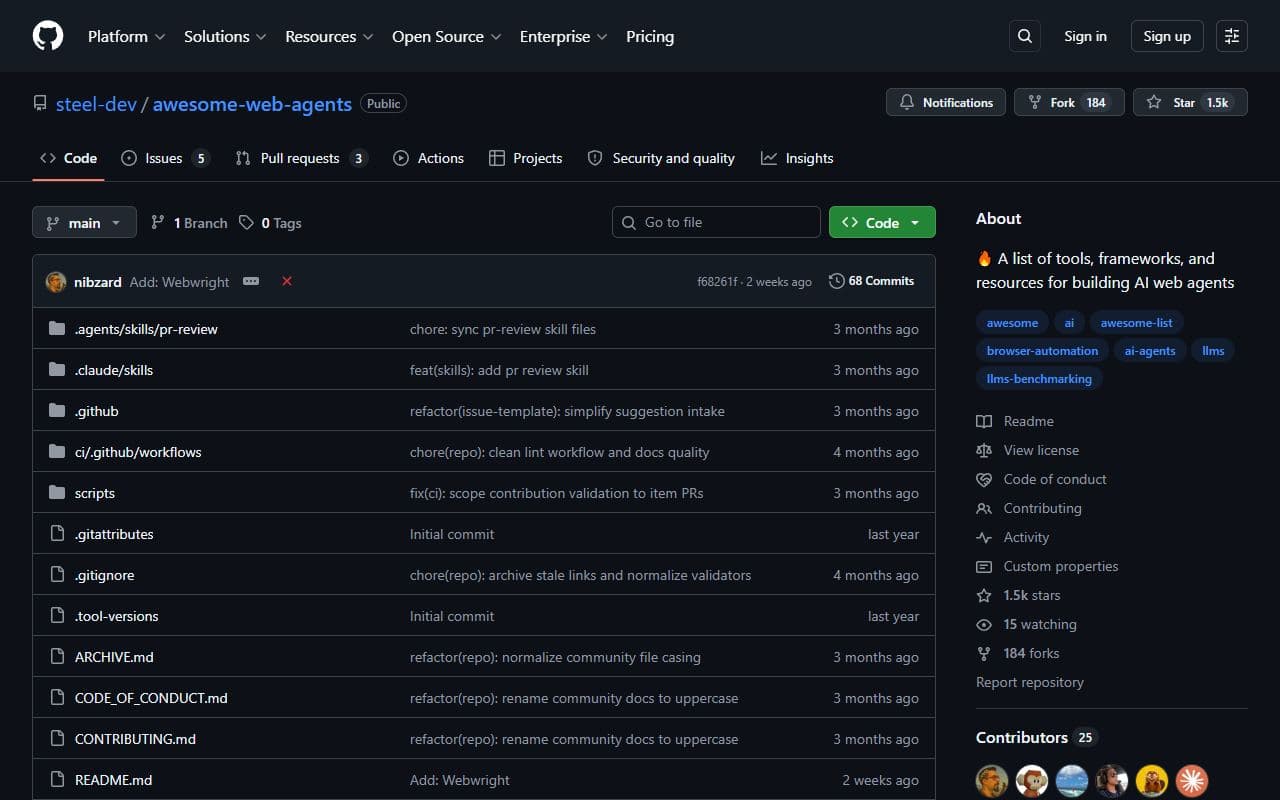
Curated list focused on web agents, browser automation frameworks, and web-control infrastructure for AI agents.
Google Agent Development Kit documentation and tooling for building, evaluating, and deploying AI agents.
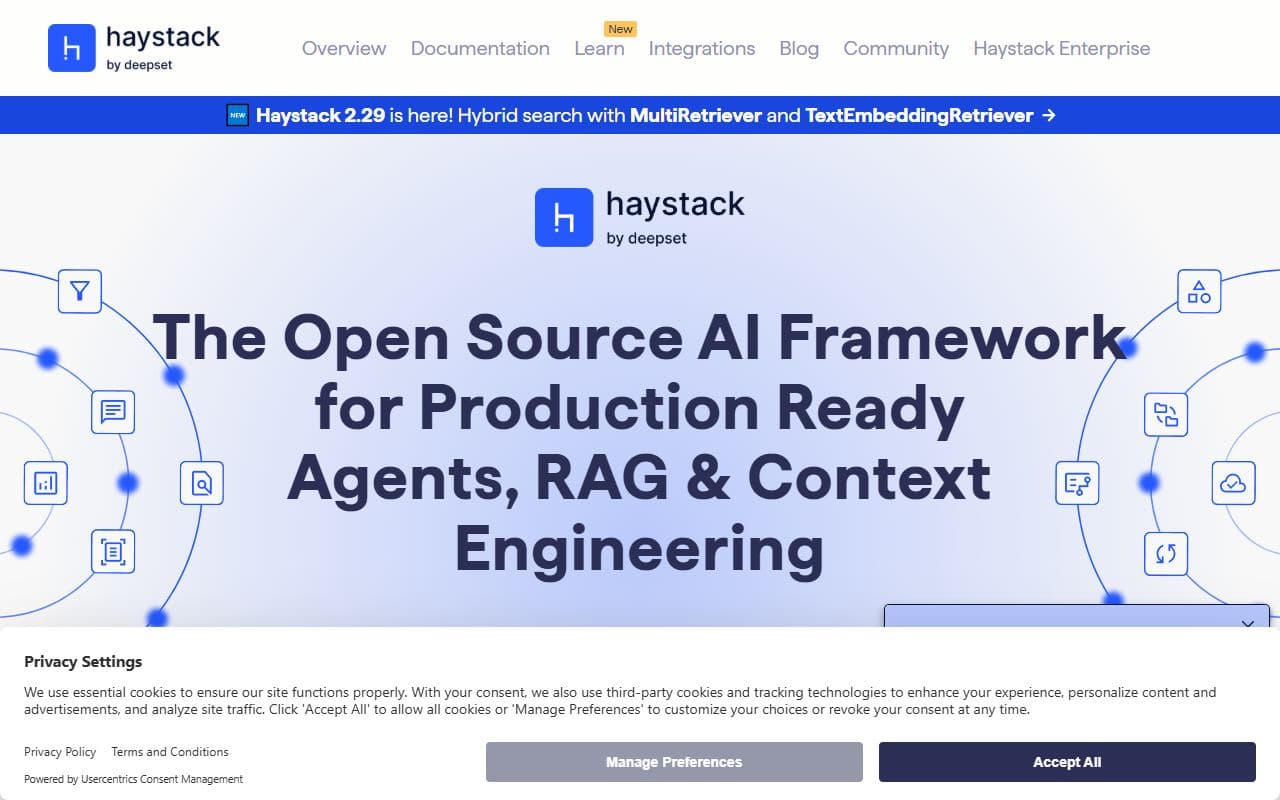
Open-source framework for building retrieval, question-answering, and agentic AI applications with pipelines and components.
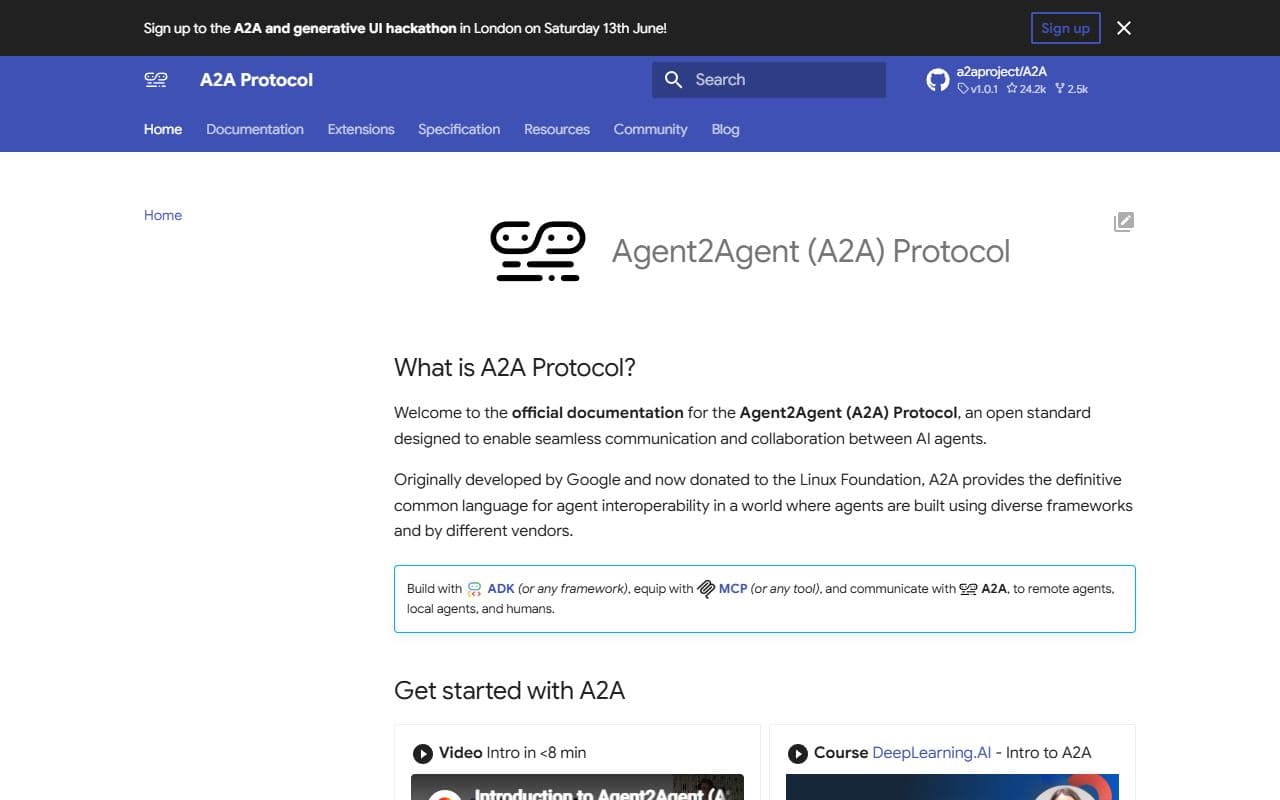
Documentation resource for the Agent2Agent protocol and agent interoperability concepts.