
Is this your project? Give it 30 days of featured visibility.
Promote your projectOpenAI Agents SDK
Python framework for building multi-agent workflows with handoffs, tools, tracing, and guardrails.
Directory description / not source-linked

Additional AI-assisted overview
The OpenAI Agents SDK is a robust and comprehensive Python framework specifically engineered for the construction of sophisticated multi-agent workflows.
This SDK empowers developers to design and implement AI systems where multiple autonomous agents can collaborate and interact seamlessly, facilitating the execution of complex, multi-step tasks. A core architectural feature is its support for 'handoffs,' which enable the structured transfer of control, data, and responsibilities between different agents within a workflow, promoting modularity, efficiency, and clarity in agent interactions. Beyond just orchestration, the framework incorporates essential capabilities for tools, tracing, and guardrails, enhancing the functionality and reliability of developed systems. The 'tools' integration suggests that agents can be equipped with various external utilities or functions, significantly expanding their operational scope and problem-solving abilities. 'Tracing' provides invaluable insights into the runtime behavior of multi-agent systems, offering detailed logs and visibility into decision-making processes, which is crucial for debugging, performance optimization, and understanding complex agent interactions. Furthermore, the inclusion of 'guardrails' underscores a commitment to safety and controlled operation, allowing developers to define constraints and rules that ensure agents operate within specified boundaries, mitigating potential risks and guiding behavior towards desired outcomes. As a free-to-use framework, this SDK offers a powerful solution for building scalable, observable, and controlled multi-agent AI applications.
Unverified fallback. This legacy AI-assisted copy is not used as evidence for the structured facts or decision guidance on this page.
Capabilities
Source-backed claims are preferred. AI-assisted fallback items are labelled individually.
Python-based development framework
AI-assisted fallback / unverified
Supports building multi-agent workflows
AI-assisted fallback / unverified
Enables handoffs between agents
AI-assisted fallback / unverified
Integrates tools for agent capabilities
AI-assisted fallback / unverified
Provides tracing for workflow execution
AI-assisted fallback / unverified
Includes guardrails for agent behavior
AI-assisted fallback / unverified
Offers a free-to-use solution
AI-assisted fallback / unverified
Use cases
Source-backed claims are preferred. AI-assisted fallback items are labelled individually.
Developing AI systems that require sequential or collaborative execution across specialized agents.
AI-assisted fallback / unverified
Automating complex business processes involving multiple decision points and information transfers.
AI-assisted fallback / unverified
Implementing AI-driven assistants that can delegate tasks and information between different sub-agents.
AI-assisted fallback / unverified
Building robust AI applications where monitoring of agent interactions and adherence to safety protocols are critical.
AI-assisted fallback / unverified
How ClawSites assesses OpenAI Agents SDK
No source-backed best-for or limitation claim is published yet. Unsupported conclusions are omitted until a checked source supports them.
Method: ClawSites keeps discovery copy separate from publishable claims, retains a source excerpt, and displays the date each cited source was checked. Pricing and availability can still change after that date.
Related to OpenAI Agents SDK
Similar directory context, not an editorial claim that these products are interchangeable.
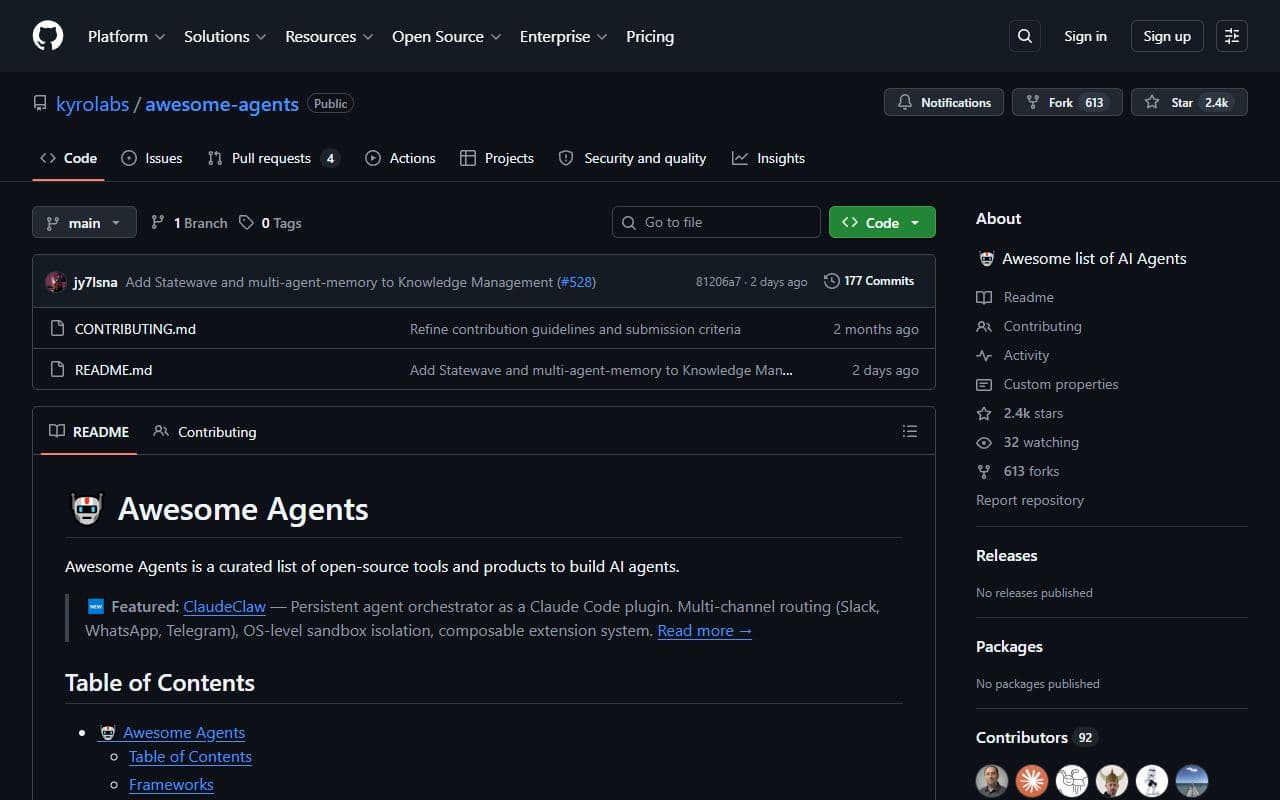
Curated GitHub list of AI agents, frameworks, protocols, papers, and tooling resources.
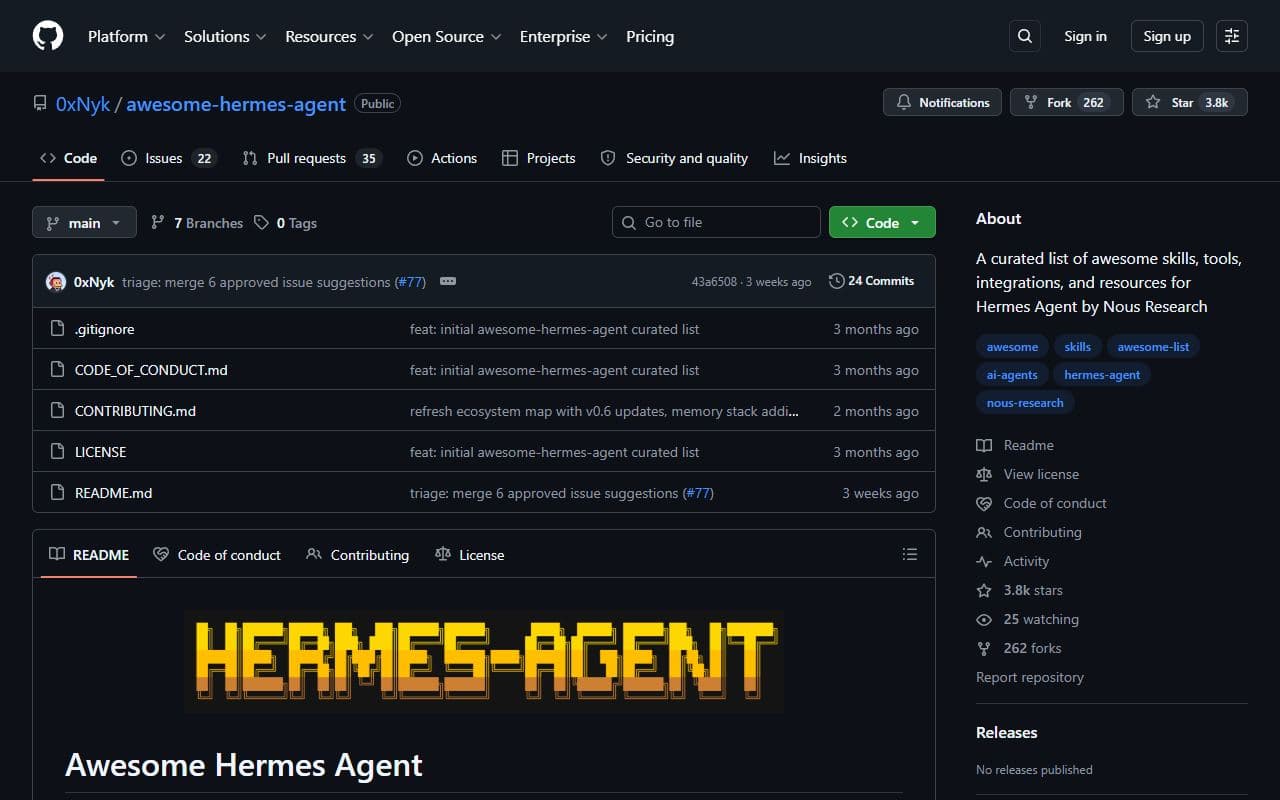
Community-curated list of Hermes Agent tools, skills, tutorials, and ecosystem projects.
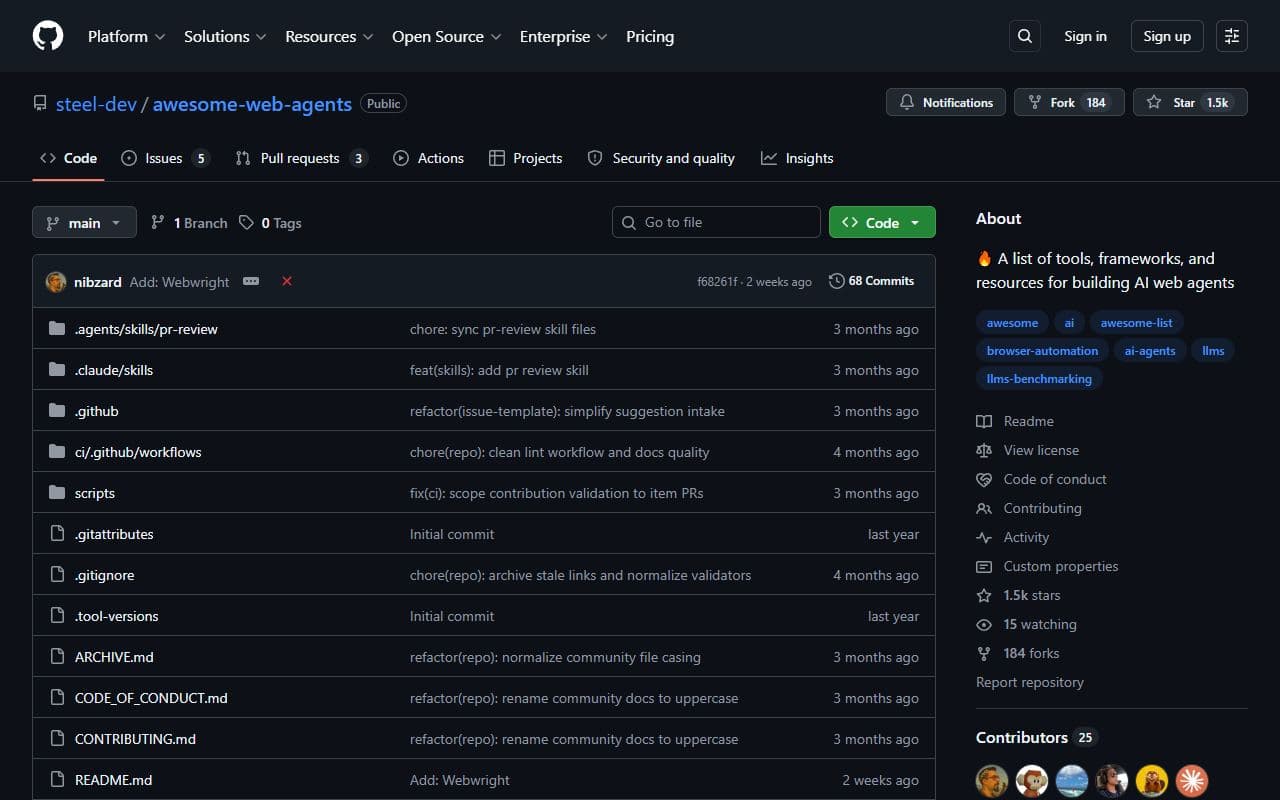
Curated list focused on web agents, browser automation frameworks, and web-control infrastructure for AI agents.
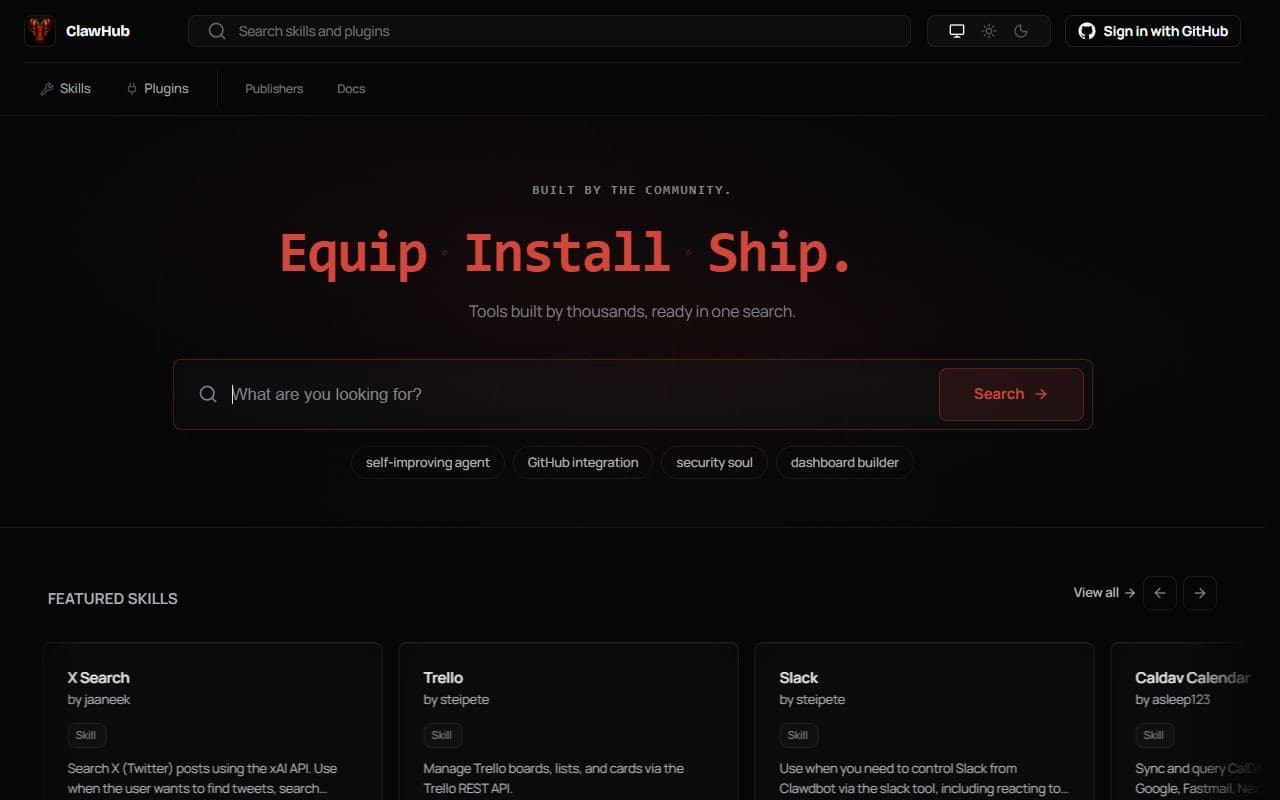
Official marketplace and discovery hub for OpenClaw skills, extensions, and agent capabilities.
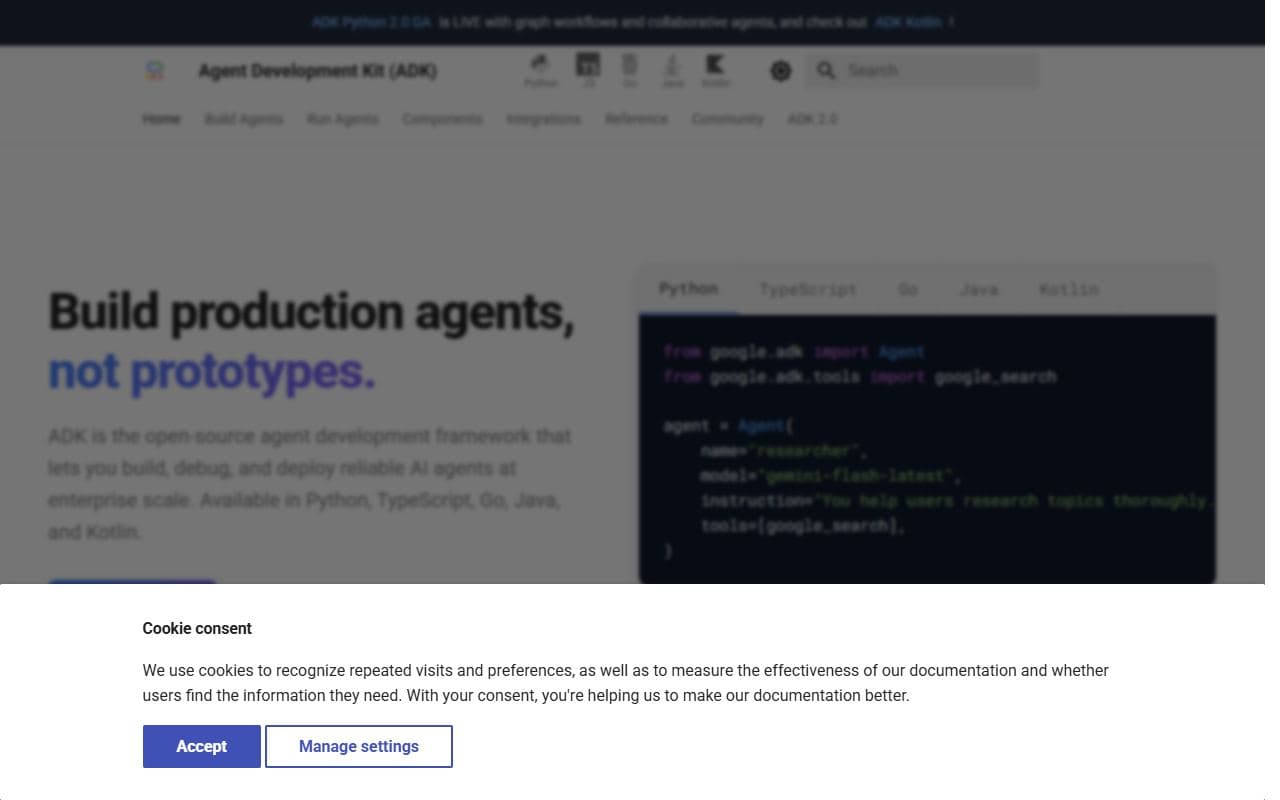
Google Agent Development Kit documentation and tooling for building, evaluating, and deploying AI agents.
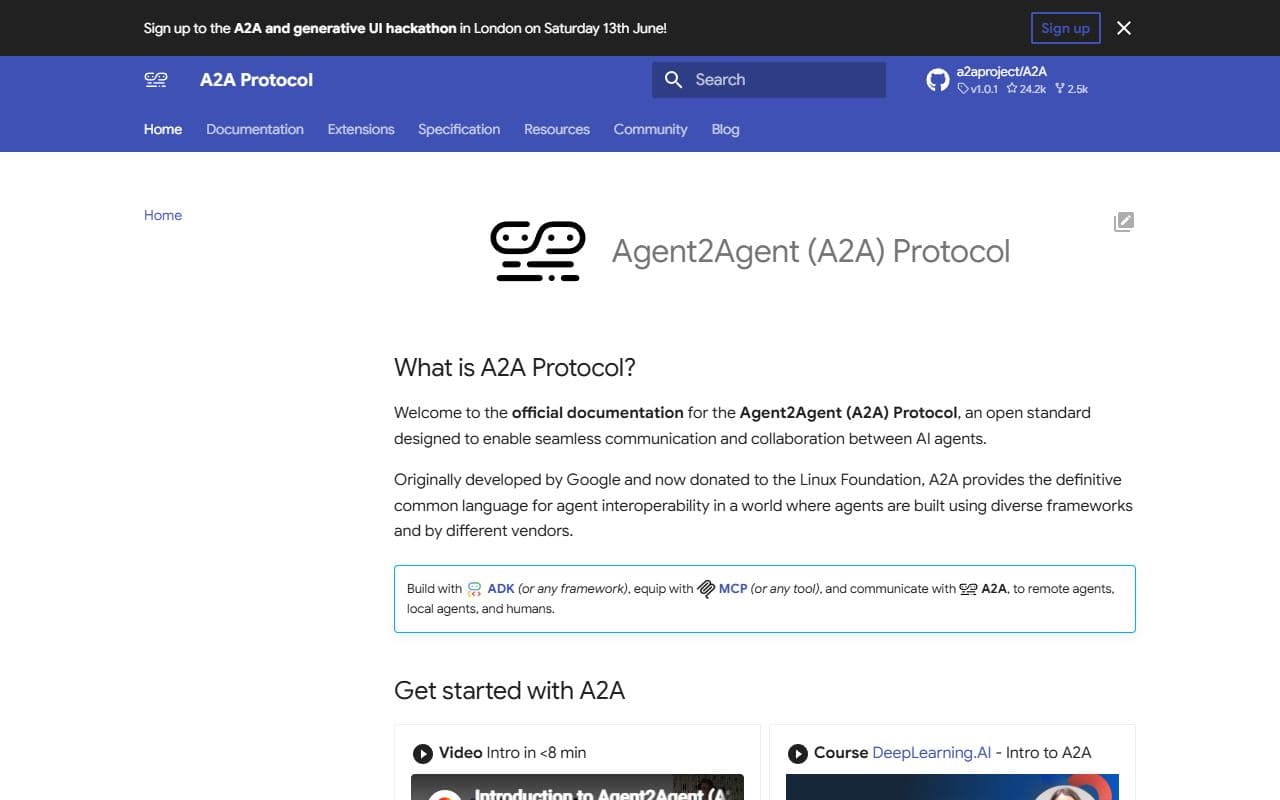
Documentation resource for the Agent2Agent protocol and agent interoperability concepts.