
Is this your project? Give it 30 days of featured visibility.
Promote your projectLlamaIndex
Data framework for building knowledge agents and LLM applications that connect models to private and external data sources.
Directory description / not source-linked
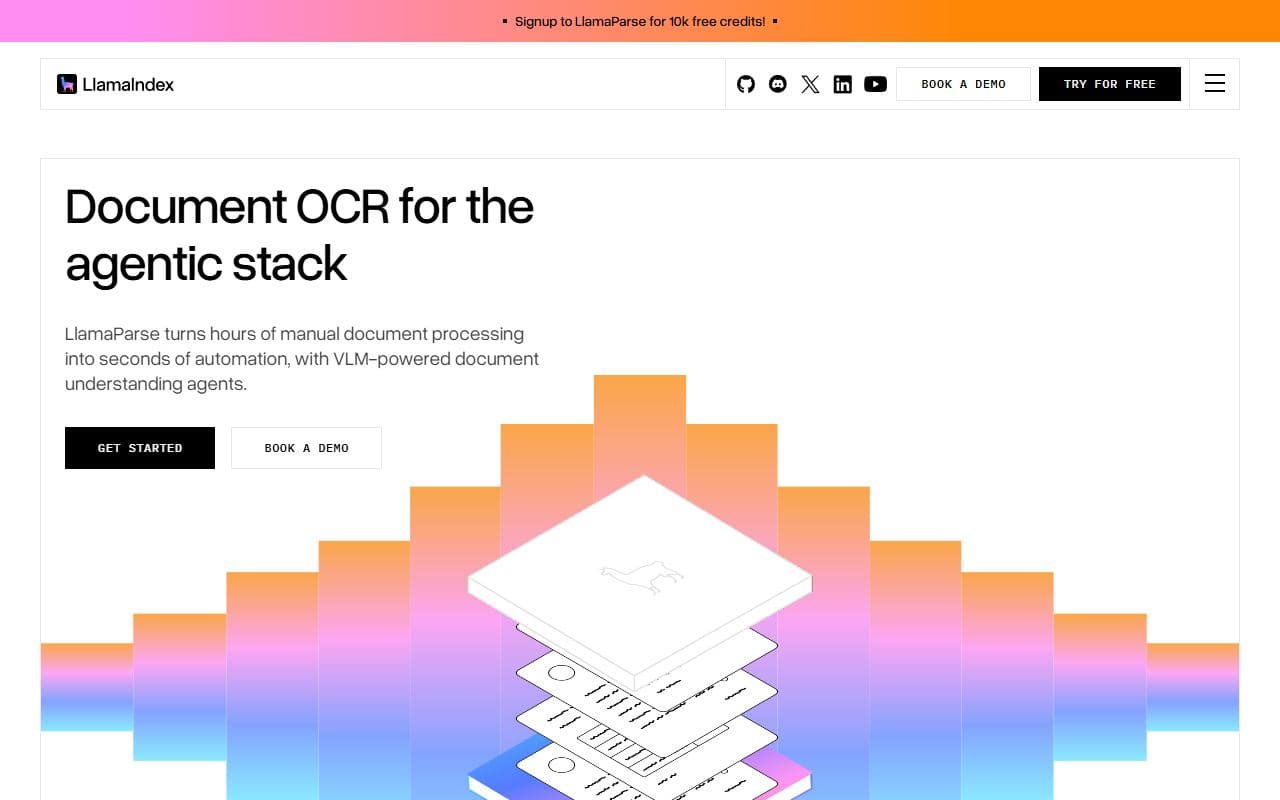
Additional AI-assisted overview
LlamaIndex is presented as a robust data framework designed to empower developers in constructing sophisticated knowledge agents and comprehensive LLM applications.
It specializes in bridging the gap between large language models and diverse data environments, enabling these models to interact with both private and external data sources effectively. As a data framework, LlamaIndex provides the underlying structure and tools necessary for managing, indexing, and querying data, thereby transforming raw information into actionable knowledge for AI systems. Its architecture supports the creation of intelligent applications that can leverage proprietary datasets or integrate seamlessly with vast external information repositories, making it a critical component for data-driven LLM development. The platform aims to facilitate the development of applications where LLMs can access, understand, and utilize context-specific information beyond their initial training data, enhancing their utility and precision. This capability positions LlamaIndex as an essential tool for creating AI applications that require context-awareness and the ability to operate with up-to-date, relevant data from varied sources.
Unverified fallback. This legacy AI-assisted copy is not used as evidence for the structured facts or decision guidance on this page.
Capabilities
Source-backed claims are preferred. AI-assisted fallback items are labelled individually.
Framework for building knowledge agents
AI-assisted fallback / unverified
Framework for developing LLM applications
AI-assisted fallback / unverified
Connects LLMs to private data sources
AI-assisted fallback / unverified
Connects LLMs to external data sources
AI-assisted fallback / unverified
Enables data integration for LLMs
AI-assisted fallback / unverified
Provides a structured approach for LLM data handling
AI-assisted fallback / unverified
Supports development of data-driven AI applications
AI-assisted fallback / unverified
Use cases
Source-backed claims are preferred. AI-assisted fallback items are labelled individually.
Developing AI agents capable of querying internal company documents
AI-assisted fallback / unverified
Building LLM-powered applications that integrate with public knowledge bases
AI-assisted fallback / unverified
Creating personalized customer support agents utilizing CRM data
AI-assisted fallback / unverified
Enabling LLMs to answer questions based on up-to-date external news feeds
AI-assisted fallback / unverified
How ClawSites assesses LlamaIndex
No source-backed best-for or limitation claim is published yet. Unsupported conclusions are omitted until a checked source supports them.
Method: ClawSites keeps discovery copy separate from publishable claims, retains a source excerpt, and displays the date each cited source was checked. Pricing and availability can still change after that date.
Related to LlamaIndex
Similar directory context, not an editorial claim that these products are interchangeable.
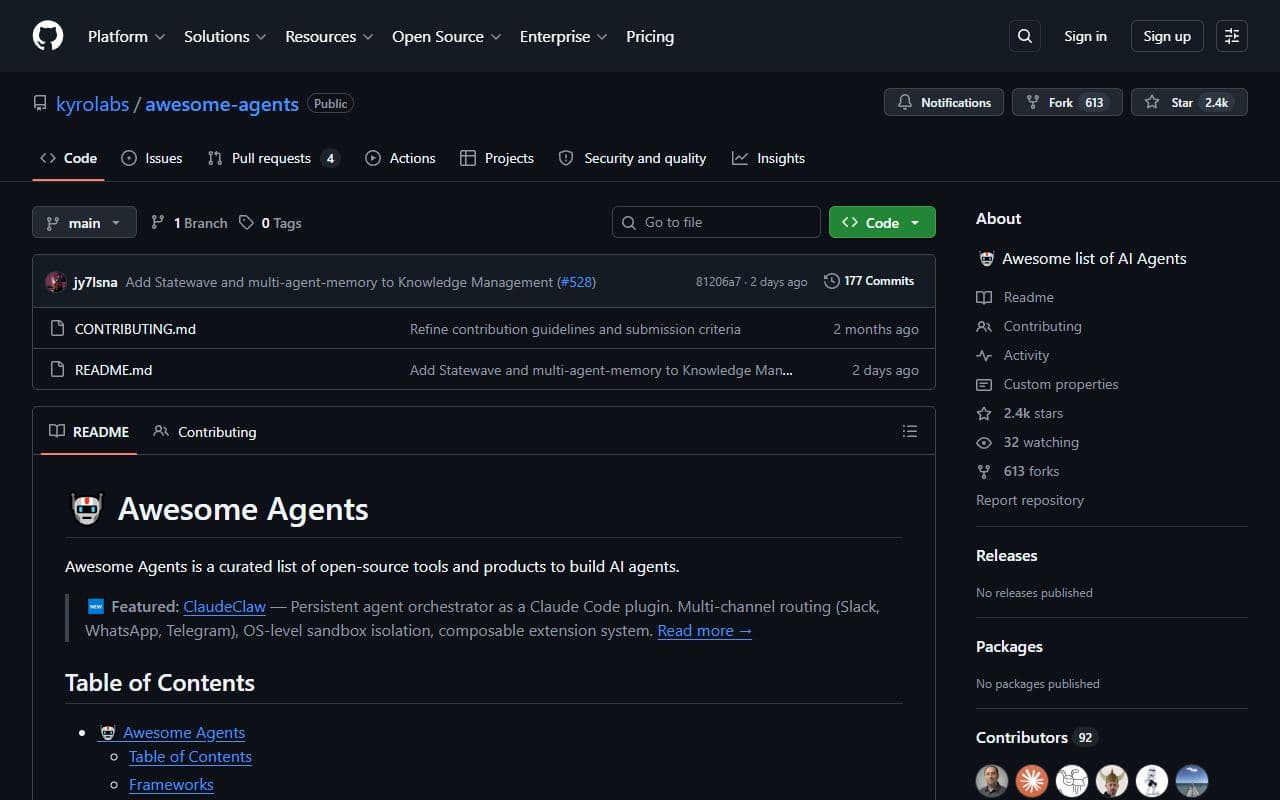
Curated GitHub list of AI agents, frameworks, protocols, papers, and tooling resources.
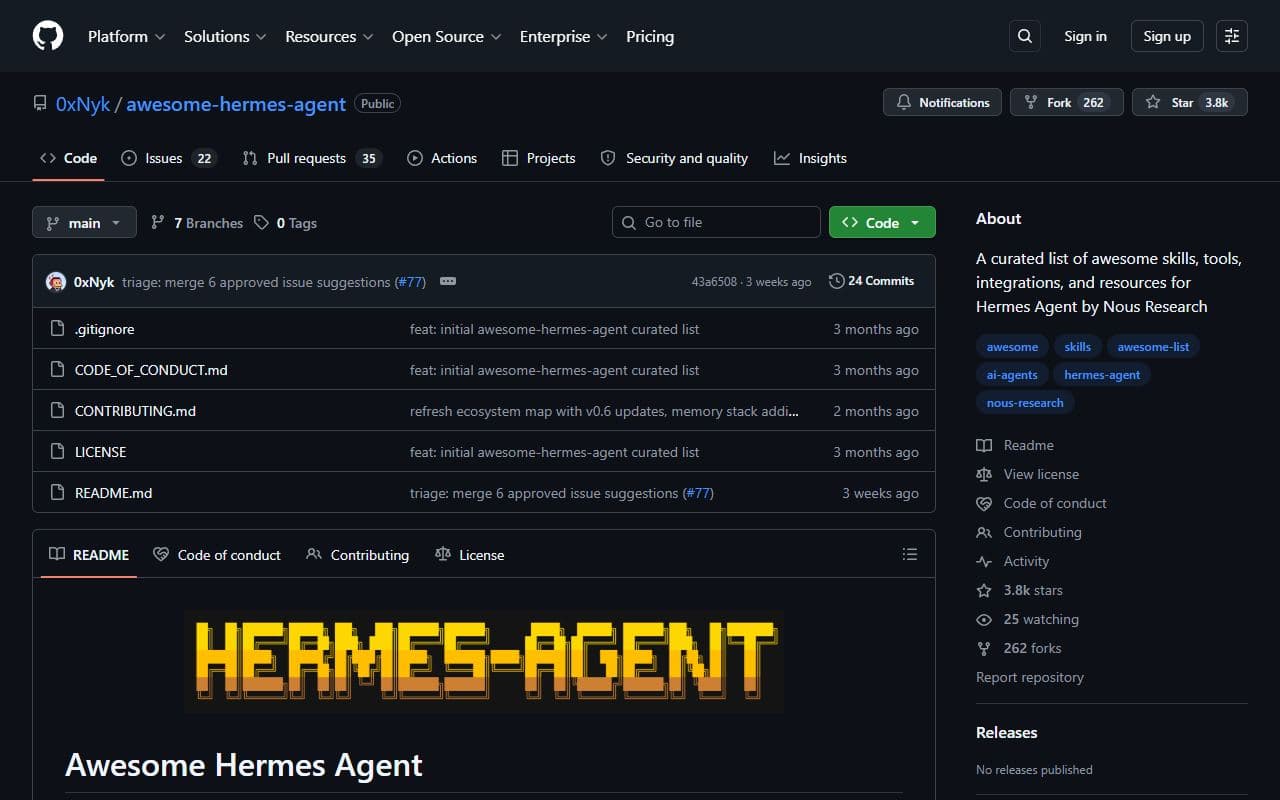
Community-curated list of Hermes Agent tools, skills, tutorials, and ecosystem projects.
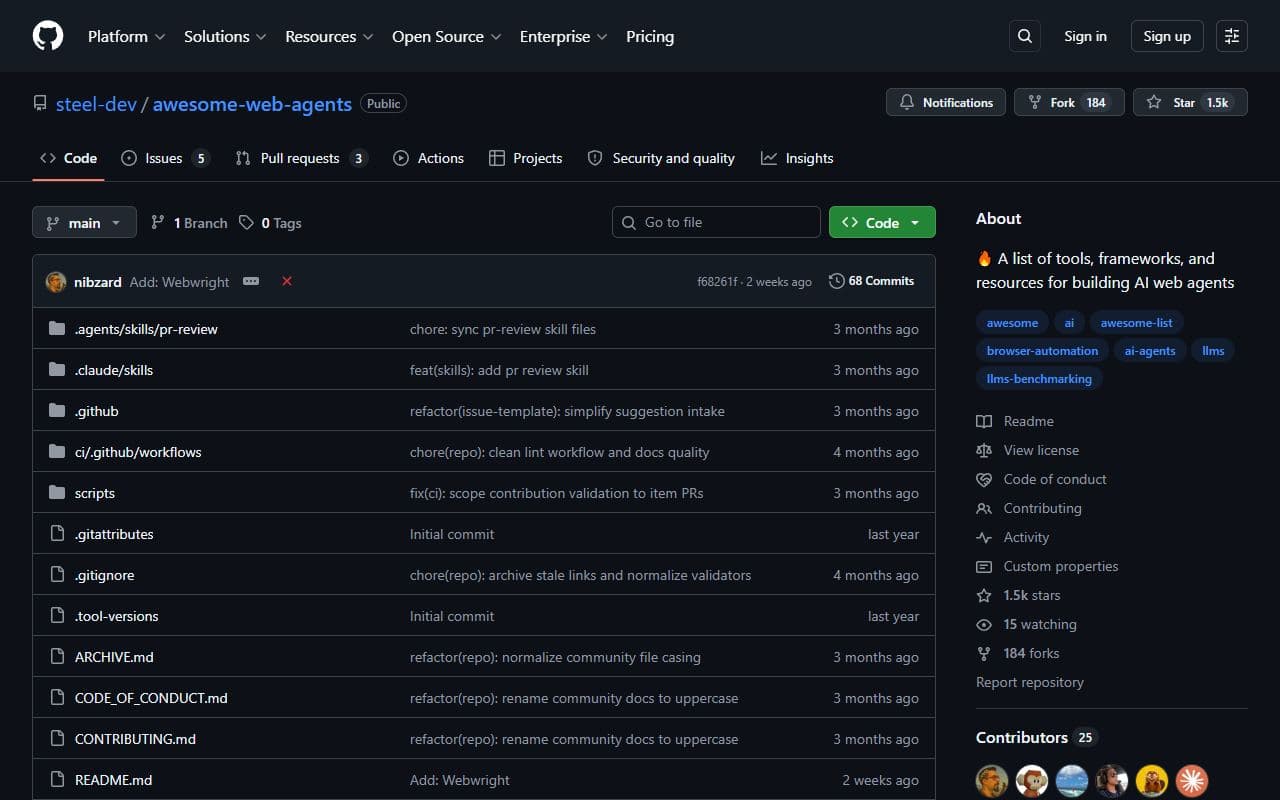
Curated list focused on web agents, browser automation frameworks, and web-control infrastructure for AI agents.
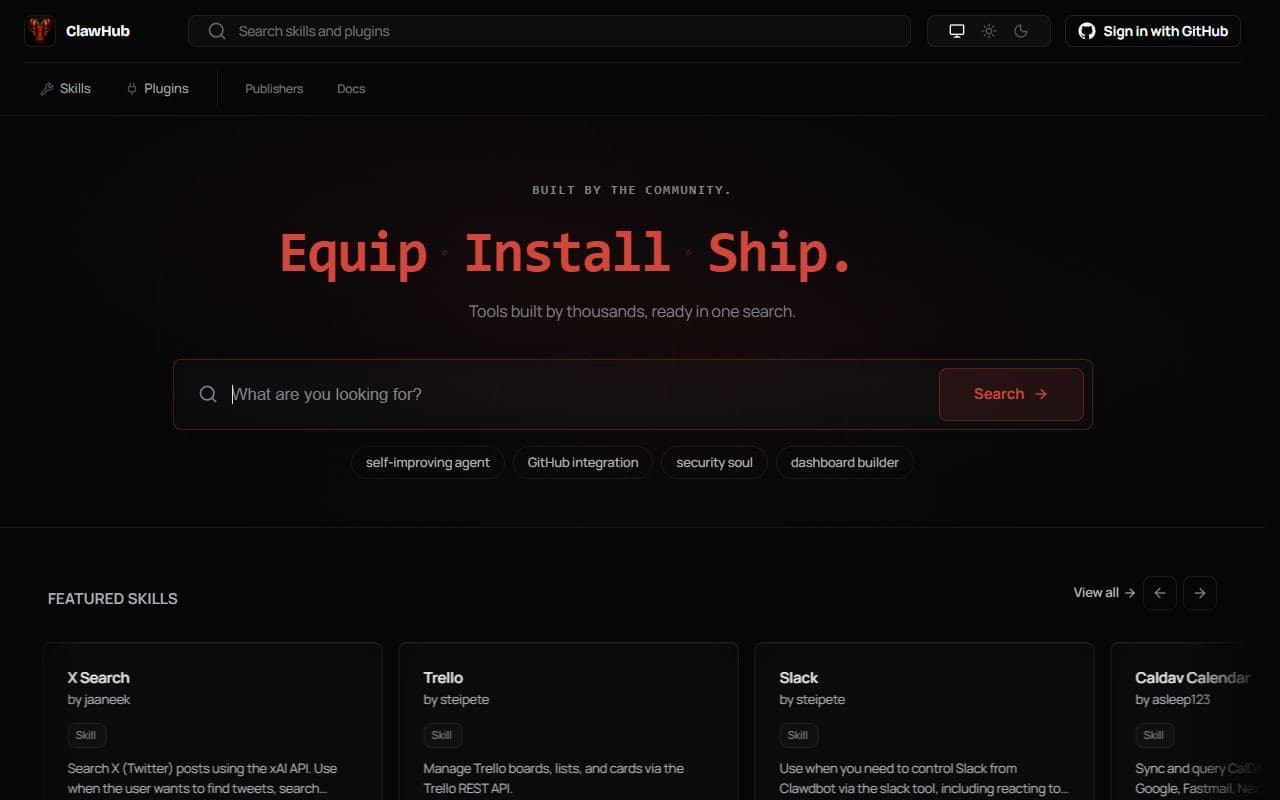
Official marketplace and discovery hub for OpenClaw skills, extensions, and agent capabilities.
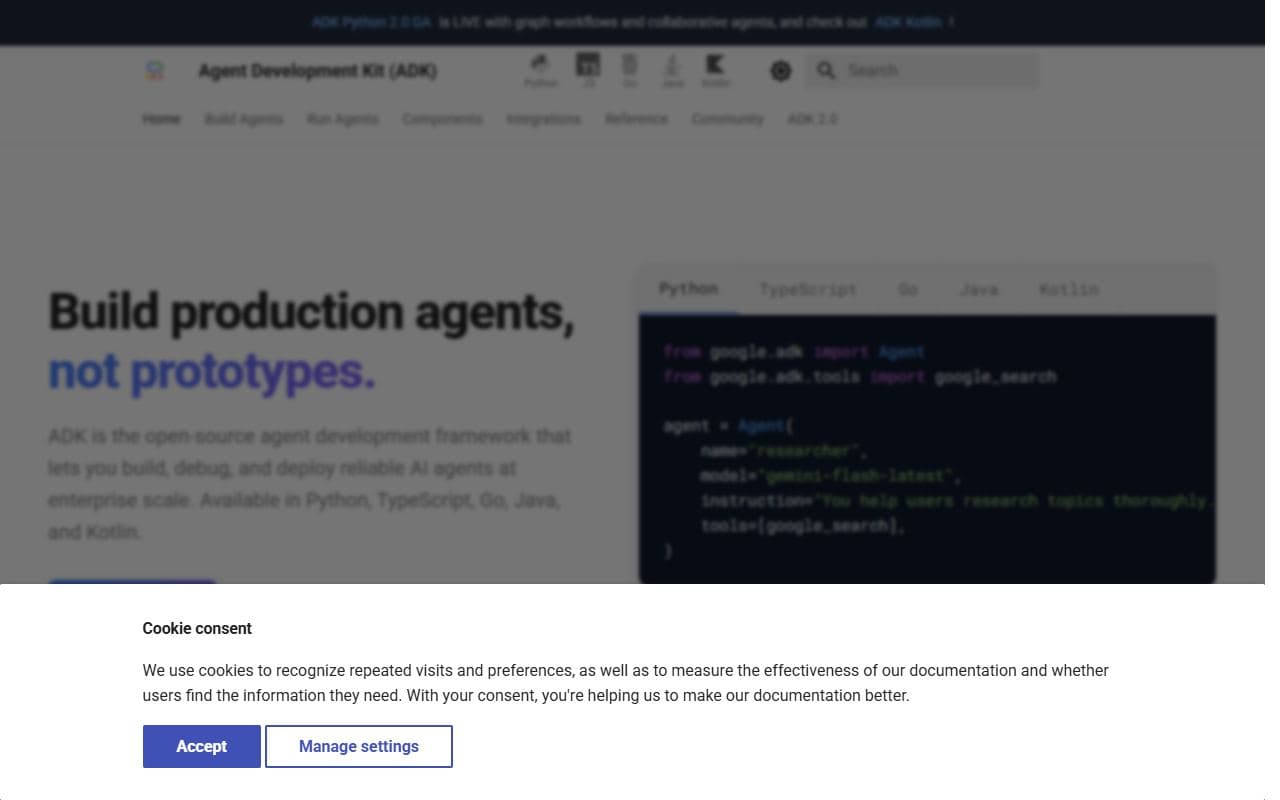
Google Agent Development Kit documentation and tooling for building, evaluating, and deploying AI agents.
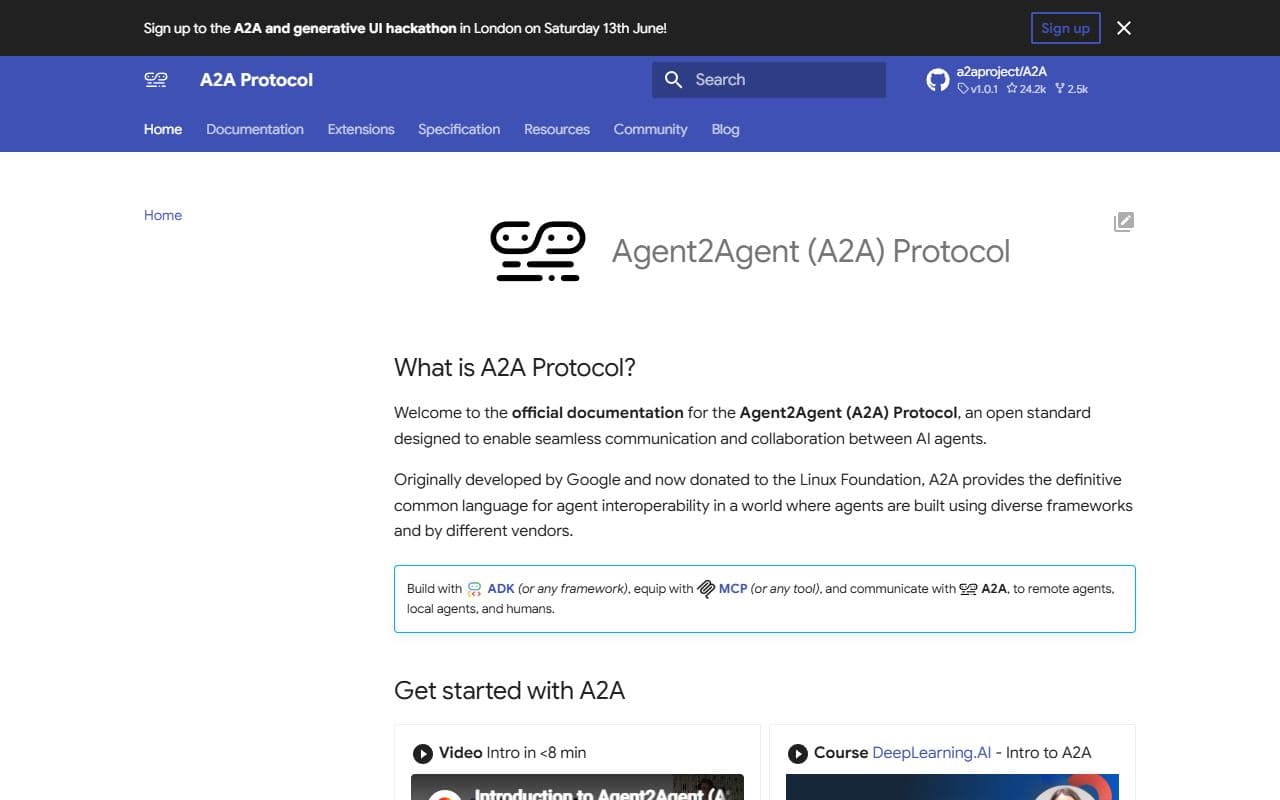
Documentation resource for the Agent2Agent protocol and agent interoperability concepts.