
Is this your project? Give it 30 days of featured visibility.
Promote your projectZep
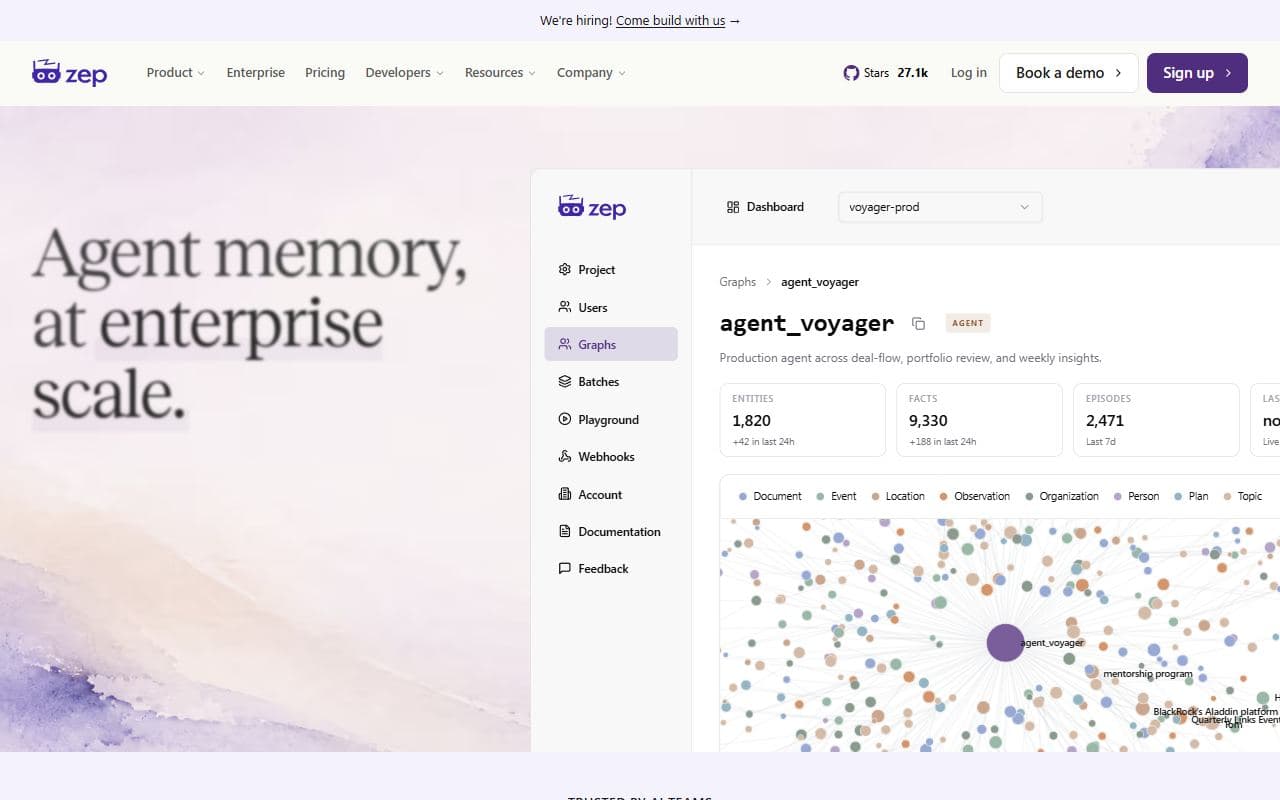
Agent memory platform using temporal context graphs to provide long-term memory and personalized context to AI agents.
Directory description / not source-linked
Additional AI-assisted overview
Zep stands as an advanced agent memory platform designed to empower AI agents with robust long-term memory and personalized contextual understanding.
Utilizing sophisticated temporal context graphs, Zep provides a structured mechanism for AI applications to retain, recall, and leverage historical interaction data and relevant information over extended periods. This capability is crucial for AI agents to maintain continuity in conversations, adapt to individual user preferences, and execute complex tasks requiring an awareness of past states. As an integration-focused solution, Zep is engineered to seamlessly enhance existing AI agent frameworks by injecting a critical layer of memory and contextual awareness. Its architecture supports the creation of more intelligent, adaptive, and human-like AI experiences by ensuring agents are not limited to short-term, session-based memory. The platform facilitates the development of AI agents that can learn from interactions, personalize responses based on past engagements, and make more informed decisions by drawing upon a rich, evolving context graph. This makes Zep particularly valuable for developers and organizations building AI applications that demand sophisticated memory management and personalized user interactions. Zep's approach to memory management, centered on temporal context graphs, allows for efficient retrieval of pertinent information at critical junctures, significantly improving the coherence and relevance of AI agent outputs. By providing a persistent, evolving memory fabric, it enables AI agents to transcend simple reactive behaviors and engage in more proactive, contextually rich interactions. This platform is an essential tool for advancing the capabilities of AI agents in various domains, offering a foundational component for building intelligent systems with deep, accessible memory.
Unverified fallback. This legacy AI-assisted copy is not used as evidence for the structured facts or decision guidance on this page.
Capabilities
Source-backed claims are preferred. AI-assisted fallback items are labelled individually.
Agent memory platform
AI-assisted fallback / unverified
Utilizes temporal context graphs
AI-assisted fallback / unverified
Provides long-term memory for AI agents
AI-assisted fallback / unverified
Offers personalized context for AI agents
AI-assisted fallback / unverified
Designed for integration with existing AI frameworks
AI-assisted fallback / unverified
Manages and stores agent conversational history
AI-assisted fallback / unverified
Facilitates contextual data retrieval for AI agents
AI-assisted fallback / unverified
Use cases
Source-backed claims are preferred. AI-assisted fallback items are labelled individually.
Enhancing AI chatbot conversations with personalized, historical context
AI-assisted fallback / unverified
Providing long-term memory for AI assistants in customer service applications
AI-assisted fallback / unverified
Managing session and user-specific data for multi-turn AI interactions
AI-assisted fallback / unverified
Building AI applications that require consistent user context across sessions
AI-assisted fallback / unverified
Enabling AI agents to learn and adapt based on past interactions
AI-assisted fallback / unverified
How ClawSites assesses Zep
No source-backed best-for or limitation claim is published yet. Unsupported conclusions are omitted until a checked source supports them.
Method: ClawSites keeps discovery copy separate from publishable claims, retains a source excerpt, and displays the date each cited source was checked. Pricing and availability can still change after that date.
Related to Zep
Similar directory context, not an editorial claim that these products are interchangeable.
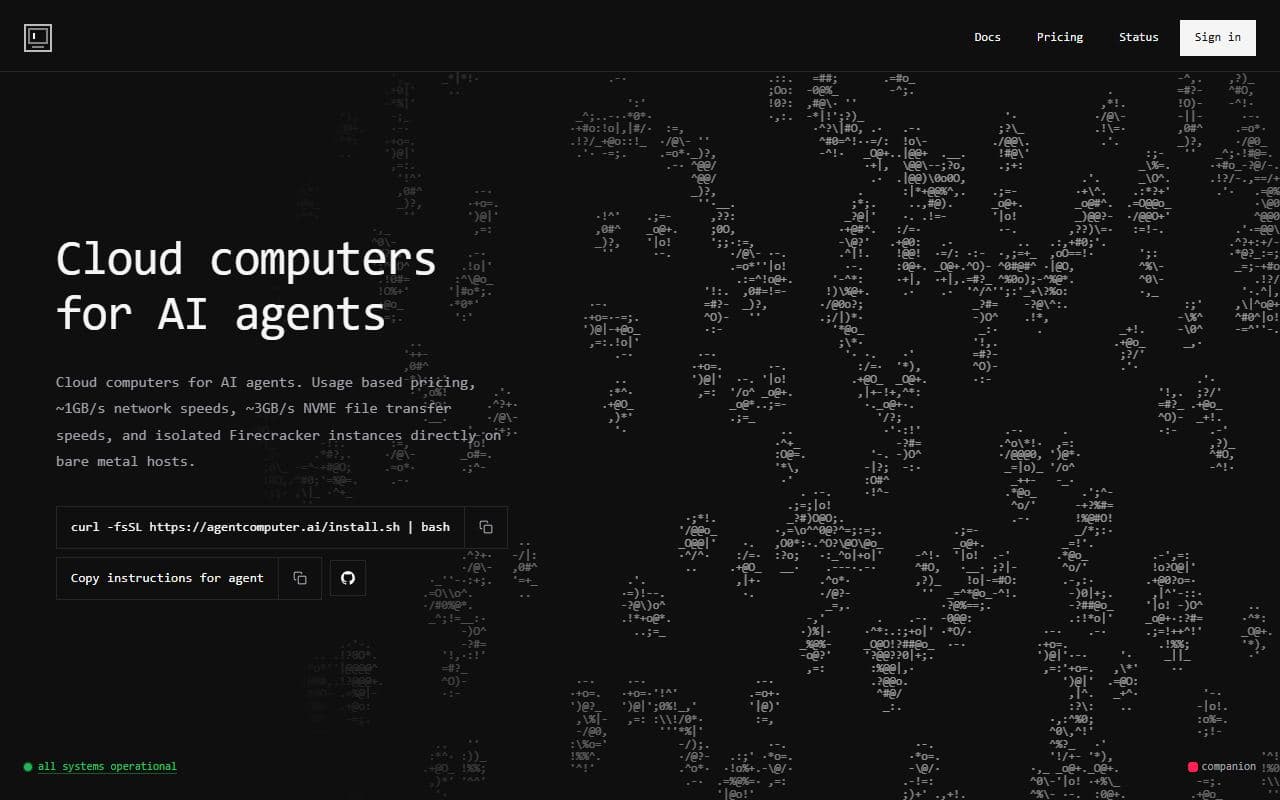
Persistent cloud computers for agent code execution, remote workflows, and long-running automation.

Virtual card platform that gives AI agents scoped payment credentials for controlled online purchases.
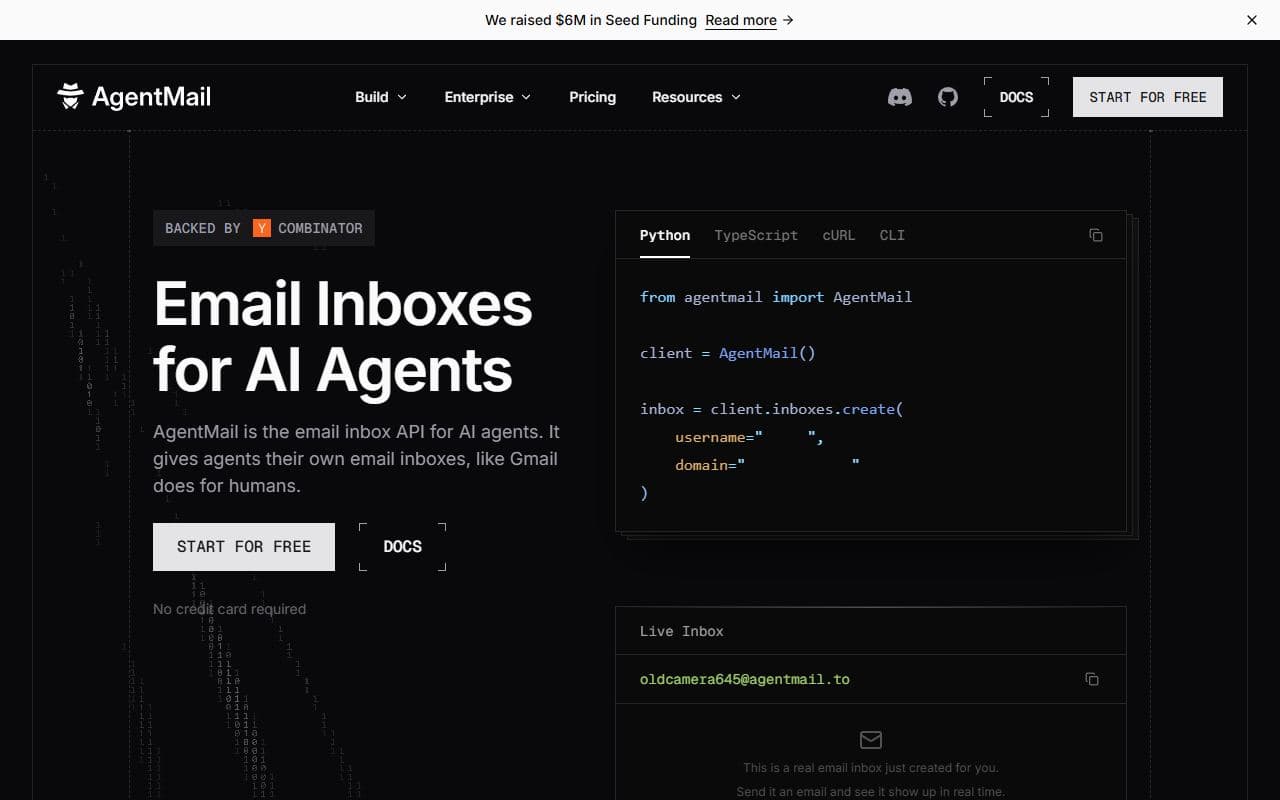
Programmatic inboxes and email delivery infrastructure built for autonomous AI agents.
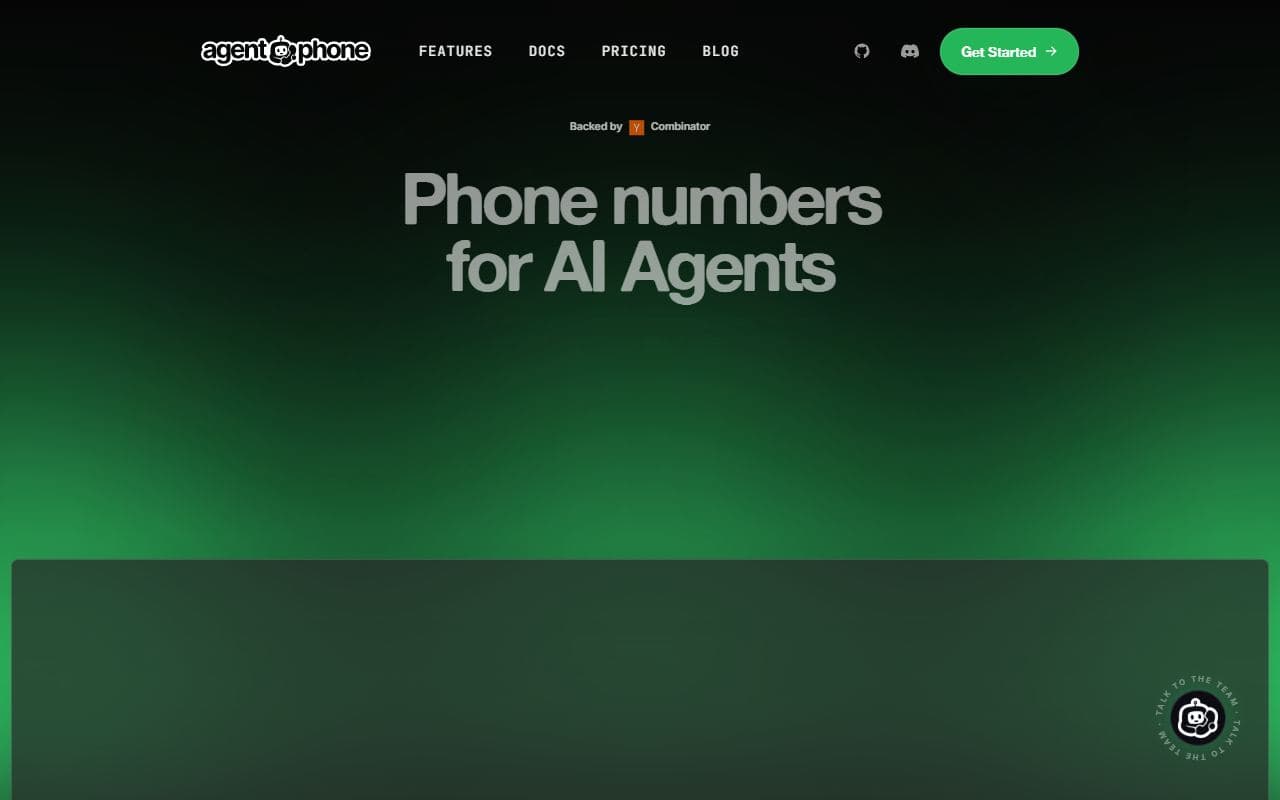
API-driven phone calling and telephony layer for autonomous AI agents.
Tool-calling platform that connects agents to thousands of enterprise tools with authorization and integration management.
Cloud browser infrastructure for AI agents that need persistent sessions, browser actions, replay, and production web automation.