
Is this your project? Give it 30 days of featured visibility.
Promote your projectVessel Browser
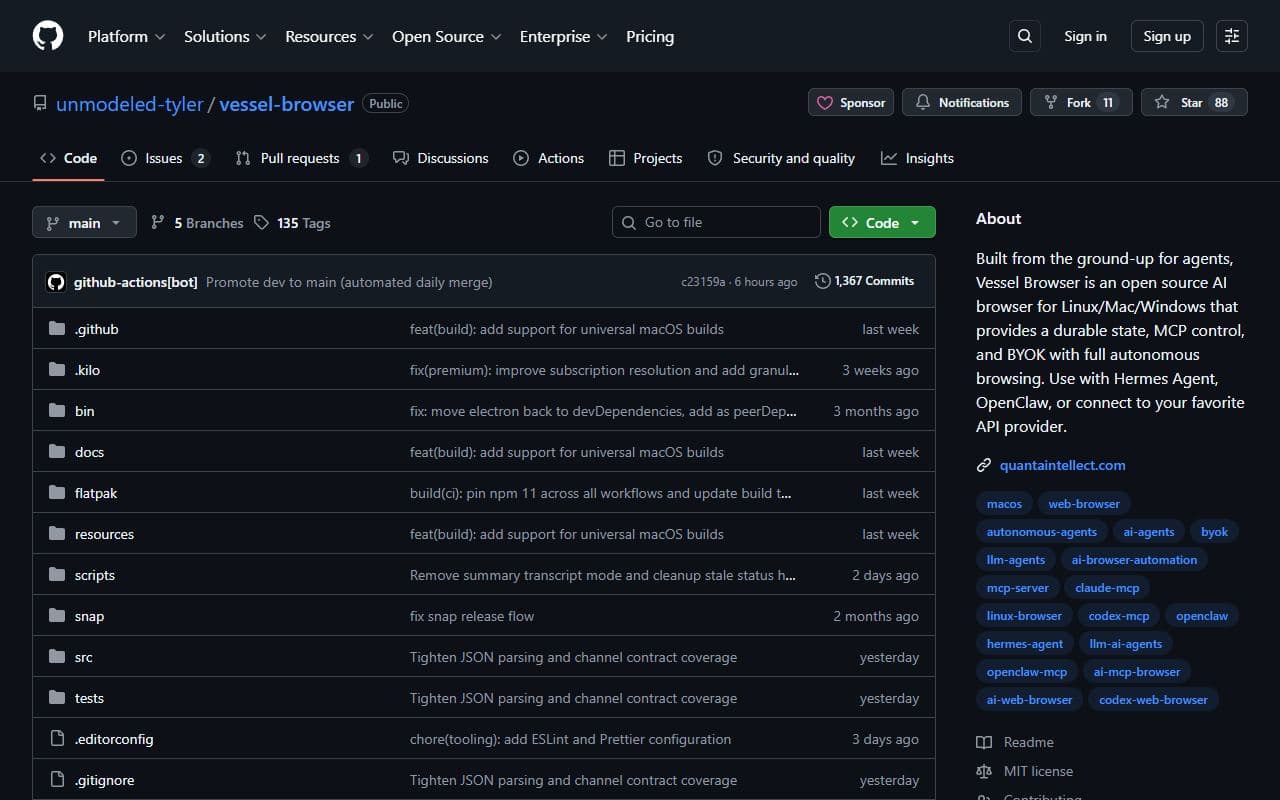
Open-source browser project designed for AI agents that need a controllable web runtime.
Directory description / not source-linked
Additional AI-assisted overview
Vessel Browser is an open-source browser project specifically engineered for integration with artificial intelligence agents.
It provides a controllable web runtime environment, enabling AI systems to interact with the internet in a structured and programmatic manner. This tool addresses the critical need for AI agents to have a reliable and manipulable interface for web-based tasks, moving beyond traditional browser limitations and offering a dedicated solution for automated web interaction. Categorized under automation, Vessel Browser highlights its core utility in enabling AI-driven processes to execute web actions seamlessly. By offering a runtime designed for agents, it facilitates sophisticated web automation, data gathering, and interactive tasks without manual intervention. Its open-source nature promotes transparency, community contributions, and adaptability for a wide range of AI applications requiring consistent and predictable web interaction. This specialized browser offers a robust foundation for developers building AI agents that require predictable and programmable access to web content and functionalities. It supports the development of intelligent automation workflows, allowing agents to navigate, extract information, and perform operations on websites with precision and granular control, thereby enhancing the capabilities of AI in web-centric operations.
Unverified fallback. This legacy AI-assisted copy is not used as evidence for the structured facts or decision guidance on this page.
Capabilities
Source-backed claims are preferred. AI-assisted fallback items are labelled individually.
Open-source project, promoting transparency and community contributions
AI-assisted fallback / unverified
Specifically designed for integration and control by AI agents
AI-assisted fallback / unverified
Provides a controllable web runtime environment
AI-assisted fallback / unverified
Enables programmatic interaction with web content
AI-assisted fallback / unverified
Supports automated web navigation and task execution
AI-assisted fallback / unverified
Facilitates structured data extraction from websites
AI-assisted fallback / unverified
Offers a dedicated environment for AI-driven web operations
AI-assisted fallback / unverified
Use cases
Source-backed claims are preferred. AI-assisted fallback items are labelled individually.
Automating web scraping and data collection for AI training or analysis
AI-assisted fallback / unverified
Enabling AI agents to perform complex multi-step interactions on websites, such as form submissions or account management
AI-assisted fallback / unverified
Developing and testing AI-powered web automation scripts
AI-assisted fallback / unverified
Monitoring websites for specific changes or new content using AI agents
AI-assisted fallback / unverified
Building AI agents capable of navigating dynamic web applications programmatically
AI-assisted fallback / unverified
How ClawSites assesses Vessel Browser
No source-backed best-for or limitation claim is published yet. Unsupported conclusions are omitted until a checked source supports them.
Method: ClawSites keeps discovery copy separate from publishable claims, retains a source excerpt, and displays the date each cited source was checked. Pricing and availability can still change after that date.
Related to Vessel Browser
Similar directory context, not an editorial claim that these products are interchangeable.
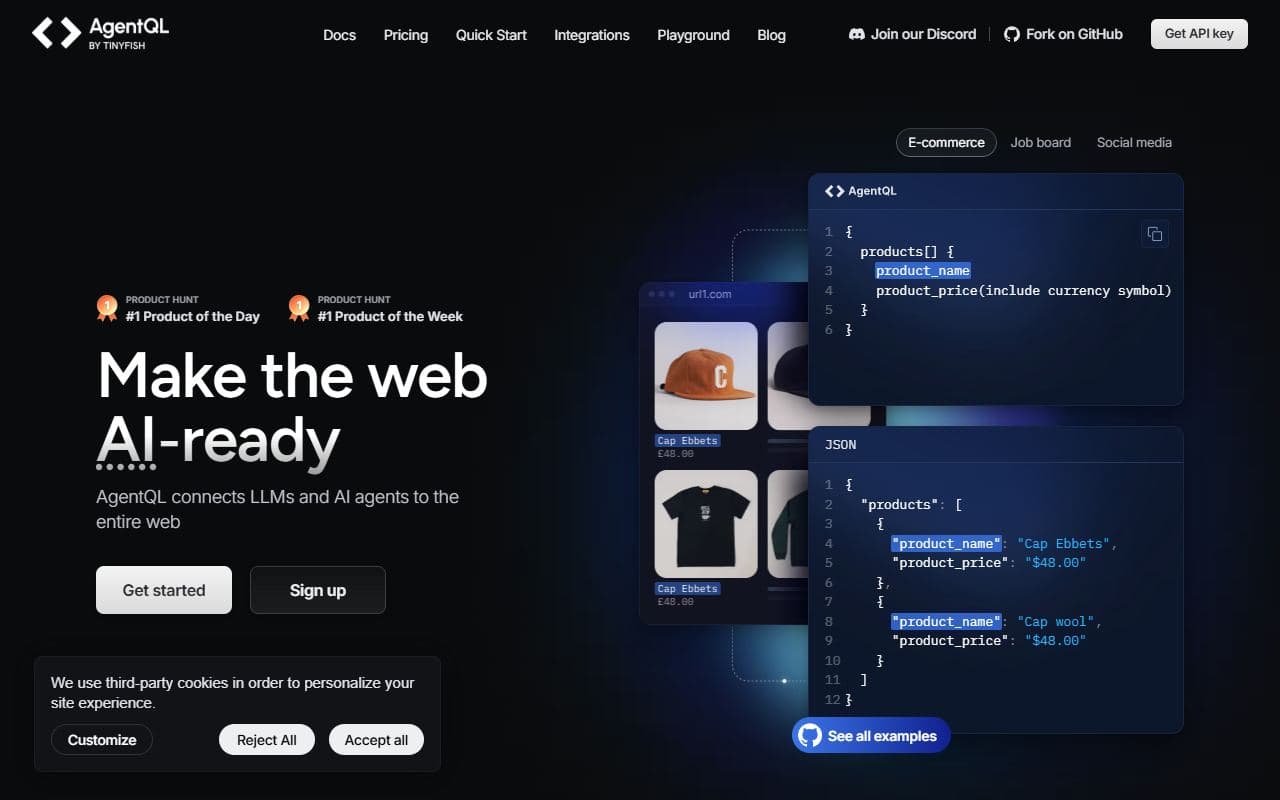
AI web automation and data extraction platform that connects agents to web pages through structured queries instead of brittle selectors.
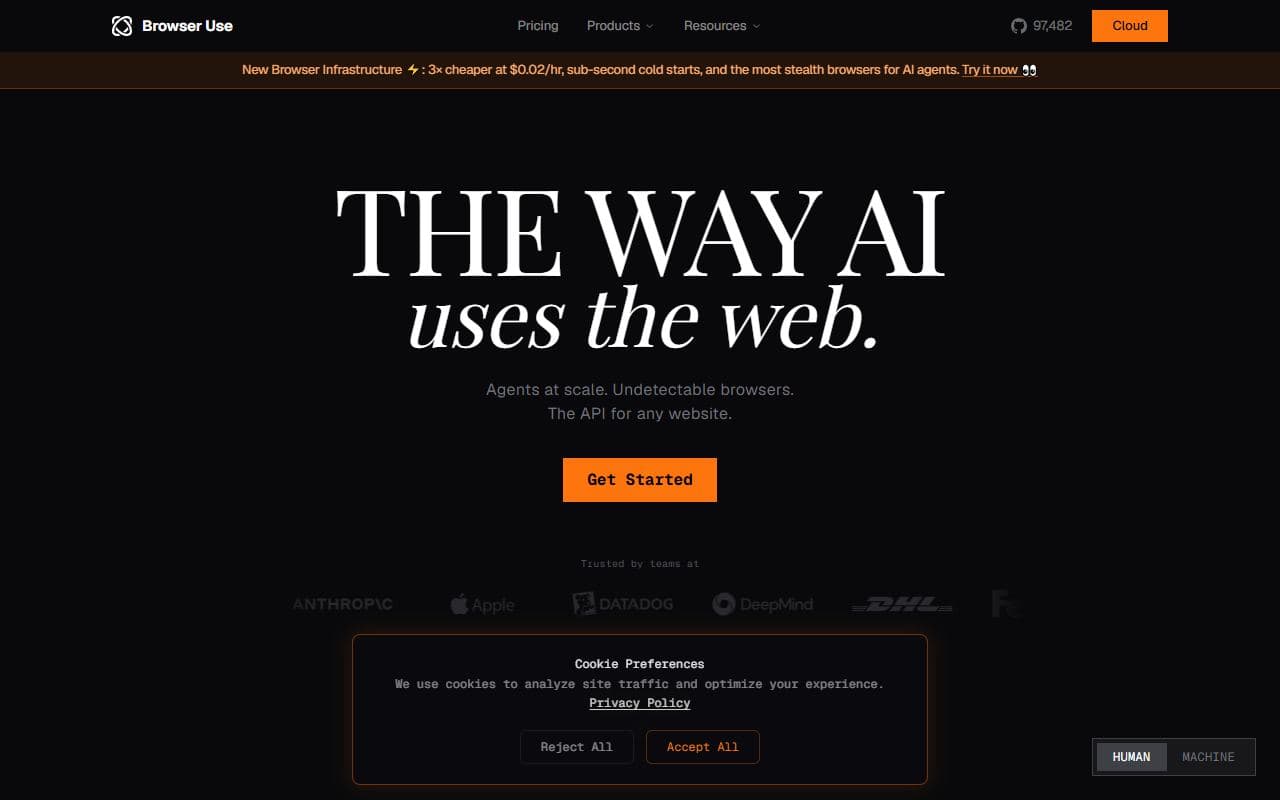
Browser automation framework and cloud service that makes websites accessible to AI agents through persistent browser sessions.
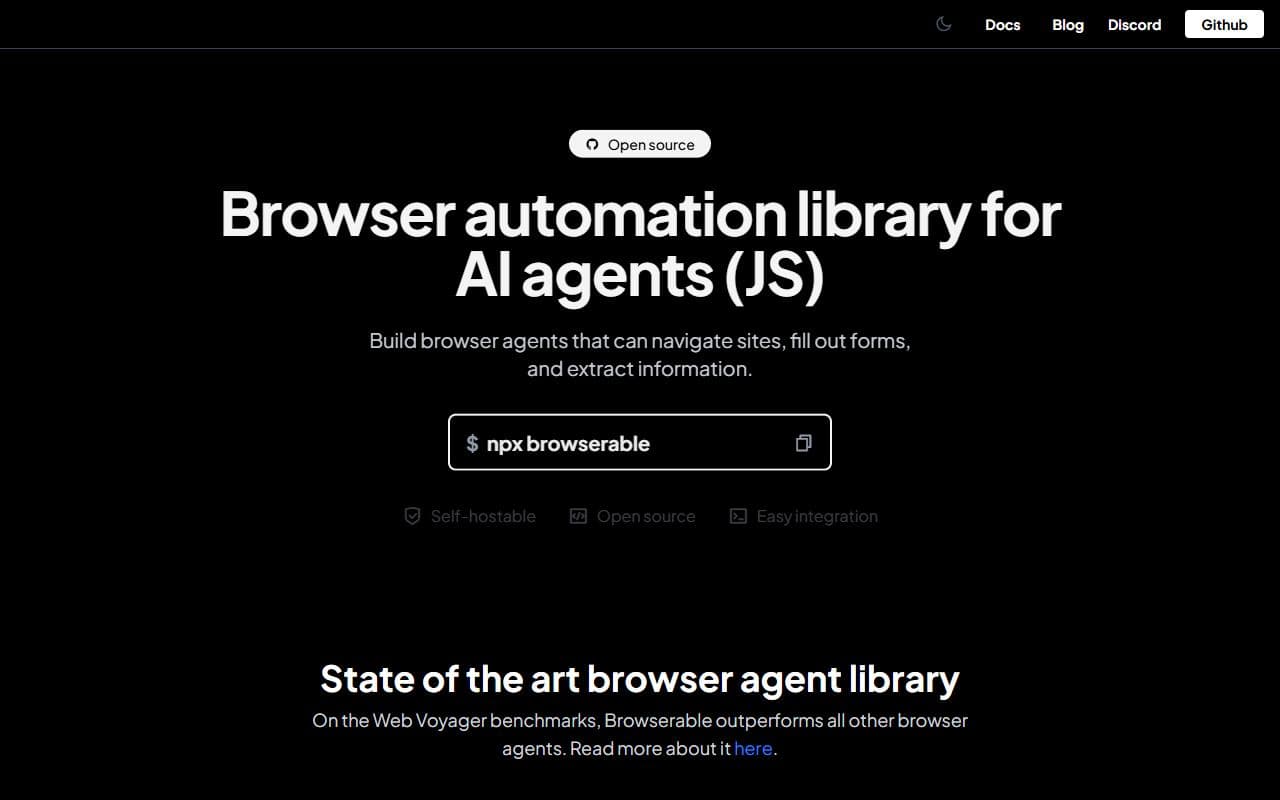
Browser automation toolkit for building JavaScript agents that navigate, extract, and act on web pages.
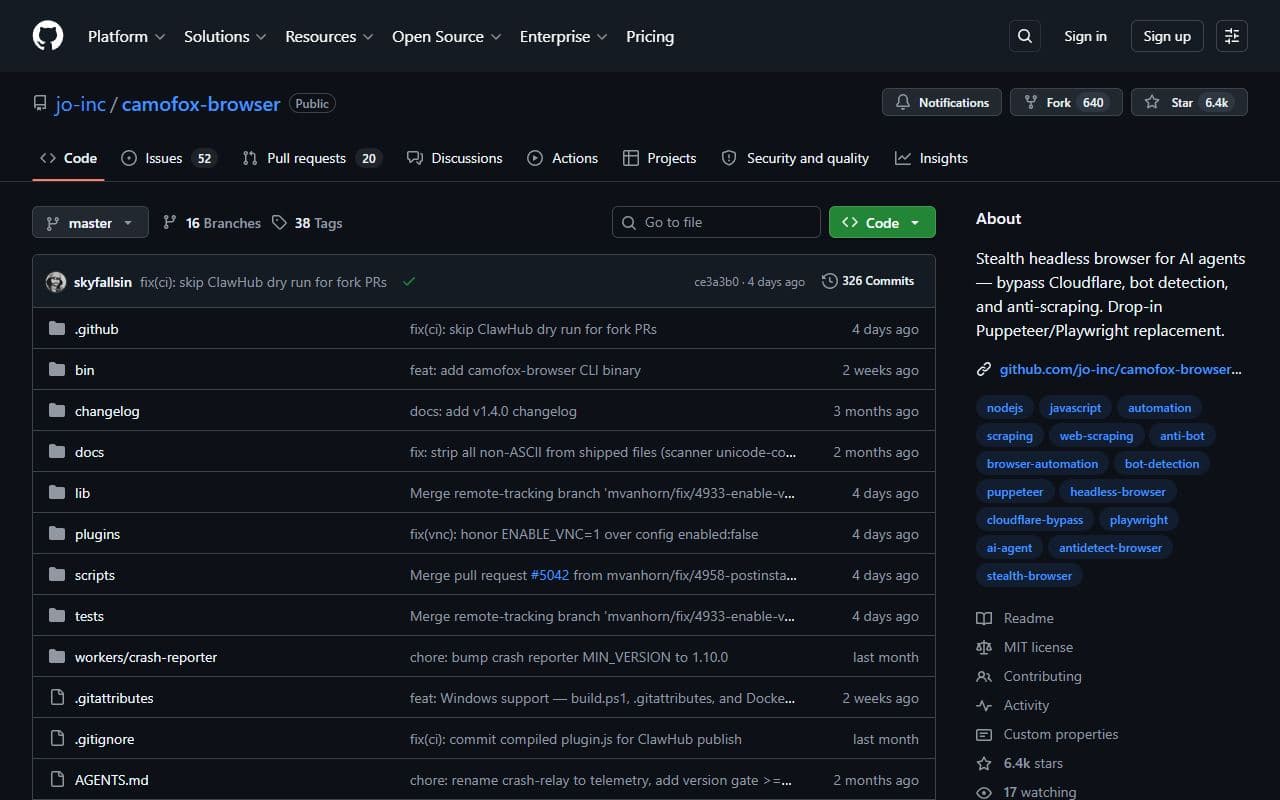
Browser backend for stealthier automated browsing and web interaction workflows.
Open-source automation platform with AI workflow support and app integrations for agentic automations.
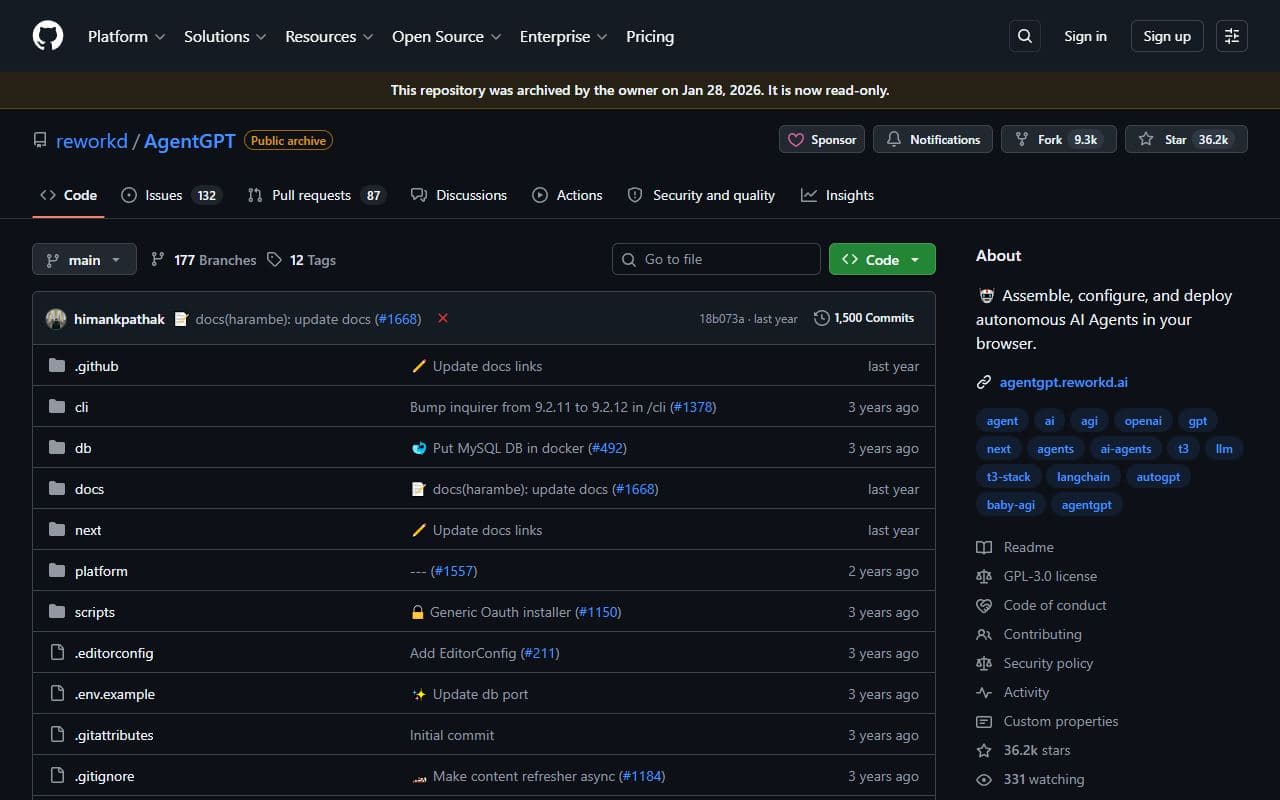
Archived open-source browser-based autonomous agent project for assembling, configuring, and deploying AI agents.