
Is this your project? Give it 30 days of featured visibility.
Promote your projectJules
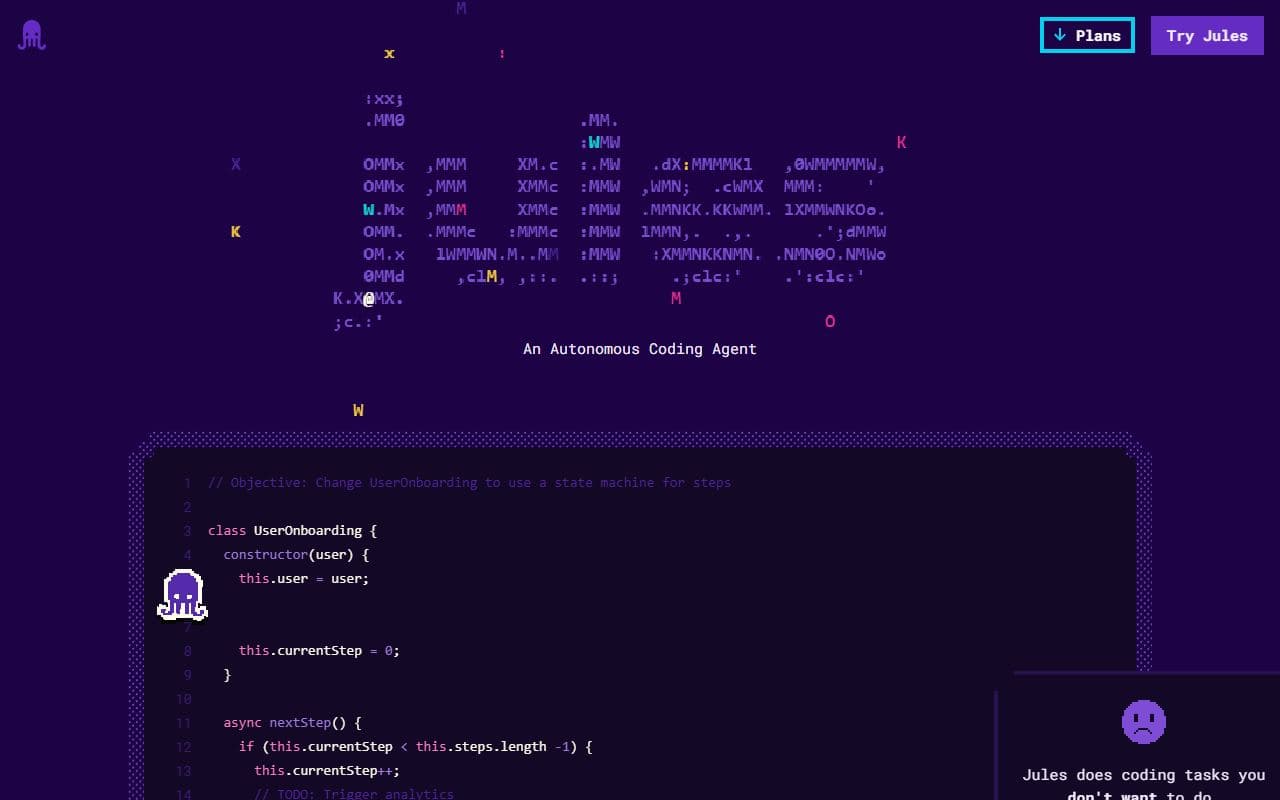
Jules is a coding agent for fixing bugs, adding documentation, and building new software features.
Editorially reviewed official source(opens in new tab)OfficialChecked
Evidence-backed listing facts
Only known values with retained provenance are shown. Missing fields are omitted instead of being filled with guesses.
- Product form Verified
- Ready-to-use agent
Evidence: Jules is an experimental coding agent that helps you fix bugs, add documentation, and build new features.
Editorially reviewed official source(opens in new tab)OfficialChecked
- Primary job Verified
- Coding and software
Evidence: Jules is an experimental coding agent that helps you fix bugs, add documentation, and build new features.
Editorially reviewed official source(opens in new tab)OfficialChecked
- Deployment Verified
- Cloud
Evidence: Jules fetches your repository, clones it to a Cloud VM, and develops a plan utilizing the latest Gemini 3 Pro model .
Editorially reviewed official source(opens in new tab)OfficialChecked
- Autonomy Verified
- Autonomous execution
Evidence: Jules is an experimental coding agent that helps you fix bugs, add documentation, and build new features. It integrates with GitHub, understands your codebase, and works autonomously — so…
Editorially reviewed official source(opens in new tab)OfficialChecked
Reviewed sources
These sources were reachable when the listing evidence was checked.
Listing checked
About Jules
Jules clones a selected repository into a Cloud VM and develops a plan with a Gemini model.
Evidence: Jules fetches your repository, clones it to a Cloud VM, and develops a plan utilizing the latest Gemini 3 Pro model .
Editorially reviewed official source(opens in new tab)OfficialChecked
Jules supports workflows from quick fixes to asynchronous, multi-agent development.
Evidence: Jules scales with how you build, from quick fixes to fully async, multi-agent development. Choose the plan that gives you the speed, throughput, and model access you need.
Editorially reviewed official source(opens in new tab)OfficialChecked
Capabilities
Jules provides a diff of the changes.
Evidence: Jules provides a diff of the changes. Quickly browse and approve code edits.
Editorially reviewed official source(opens in new tab)OfficialChecked
Jules creates a pull request for the changes.
Evidence: Jules creates a PR of the changes. Approve the PR, merge it to your branch, and publish it on GitHub.
Editorially reviewed official source(opens in new tab)OfficialChecked
Use cases
Use Jules to fix bugs, add documentation, and build new features.
Evidence: Jules is an experimental coding agent that helps you fix bugs, add documentation, and build new features.
Editorially reviewed official source(opens in new tab)OfficialChecked
Use Jules to clone code, install dependencies, and modify files in a virtual machine.
Evidence: Jules runs in a virtual machine where it clones your code, installs dependencies, and modifies files.
Editorially reviewed official source(opens in new tab)OfficialChecked
Who Jules fits — and what to check
Decision guidance below is tied to the cited evidence. Treat observed third-party claims as leads, not product guarantees.
Best for
Developers who ship daily and want to stay in the flow.
Evidence: Jules in Pro For devs who ship daily and want to stay in the flow.
Editorially reviewed official source(opens in new tab)OfficialChecked
Limitations to check
Jules needs access to selected repositories in order to work.
Evidence: Jules needs access to your repositories in order to work.
Editorially reviewed official source(opens in new tab)OfficialChecked
Method: ClawSites keeps discovery copy separate from publishable claims, retains a source excerpt, and displays the date each cited source was checked. Pricing and availability can still change after that date.
Related to Jules
Similar directory context, not an editorial claim that these products are interchangeable.

Claude Code is an agentic coding tool that reads codebases, edits files, runs commands, and works across terminal, IDE, desktop, and web interfaces.
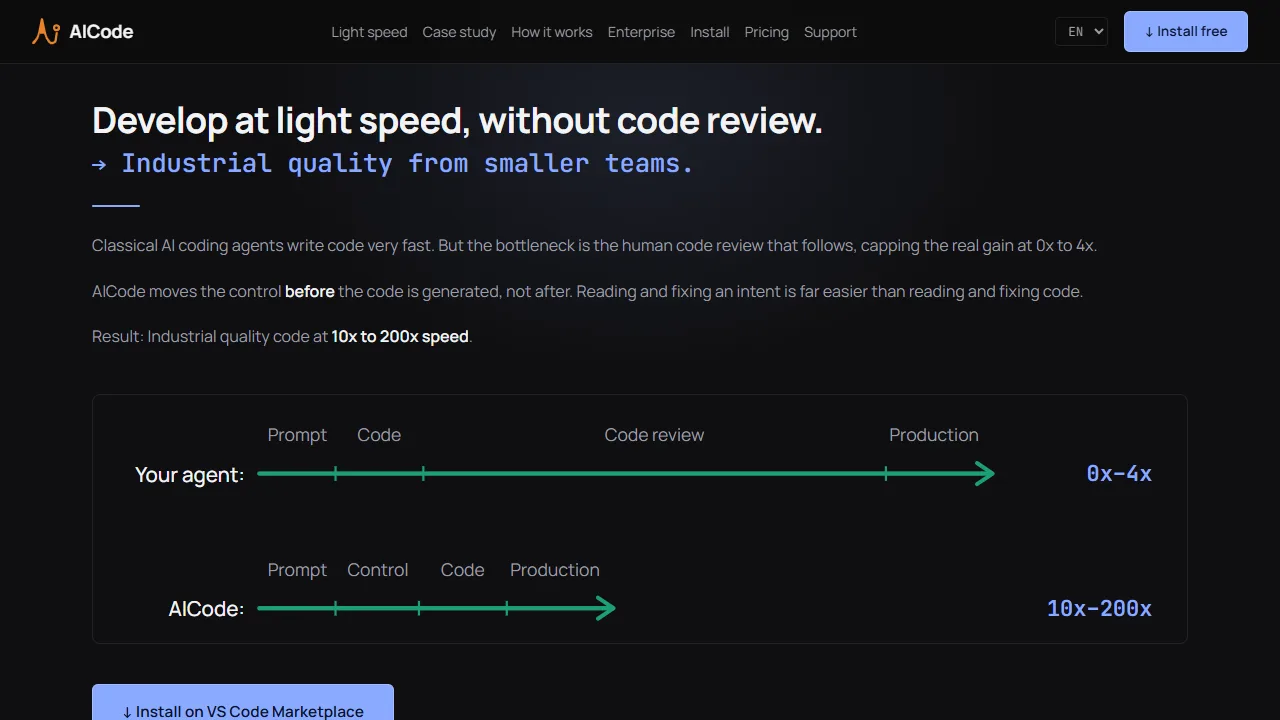
AICode is a standard VS Code extension. It is offline-first, so the initial install takes 2-3 minutes. No account registration.

Amazon Q Developer is a generative AI-powered conversational assistant.
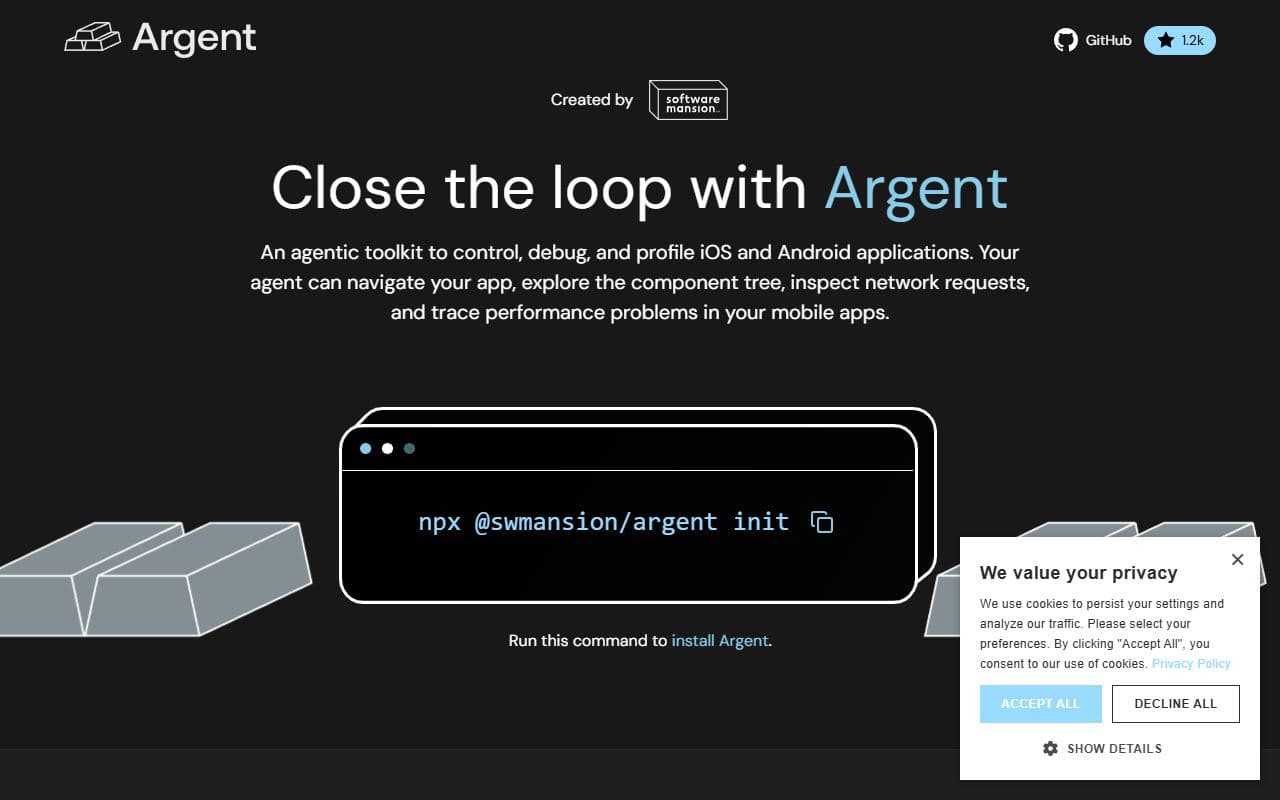
Argent is a toolkit for AI agents to control, debug and profile iOS and Android apps.
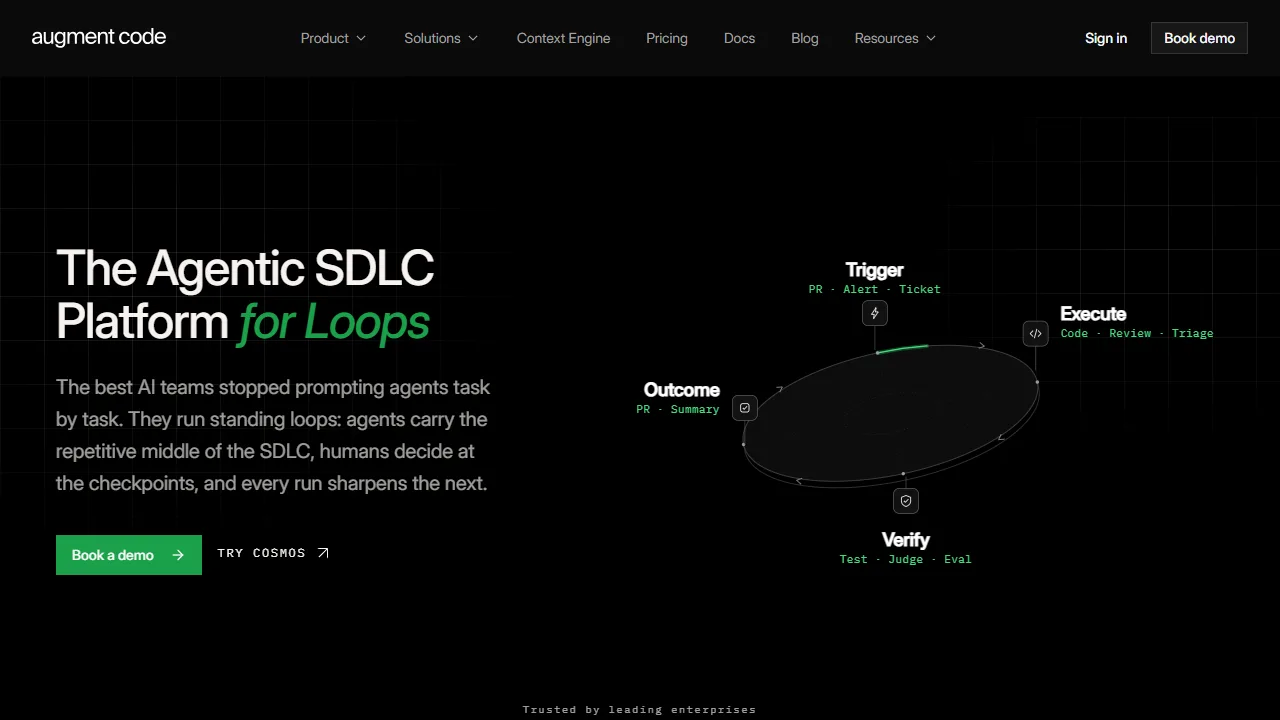
Augment Code is designed to provide context for developers working with large codebases.
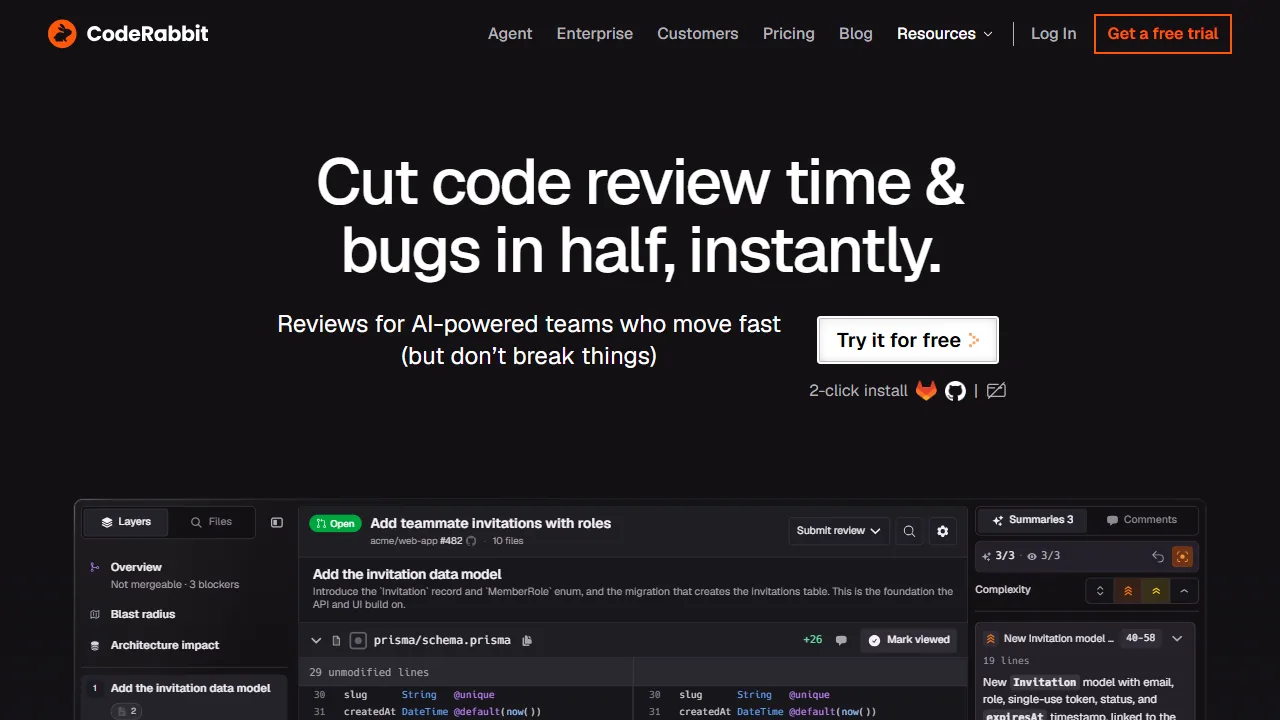
CodeRabbit is an AI-powered platform for code review, planning, and development workflows across Git platforms, IDEs, CLI, and Slack.