
Is this your project? Give it 30 days of featured visibility.
Promote your projectCAMEL-AI
Open-source multi-agent framework and research ecosystem for building communicative AI agent systems.
Directory description / not source-linked
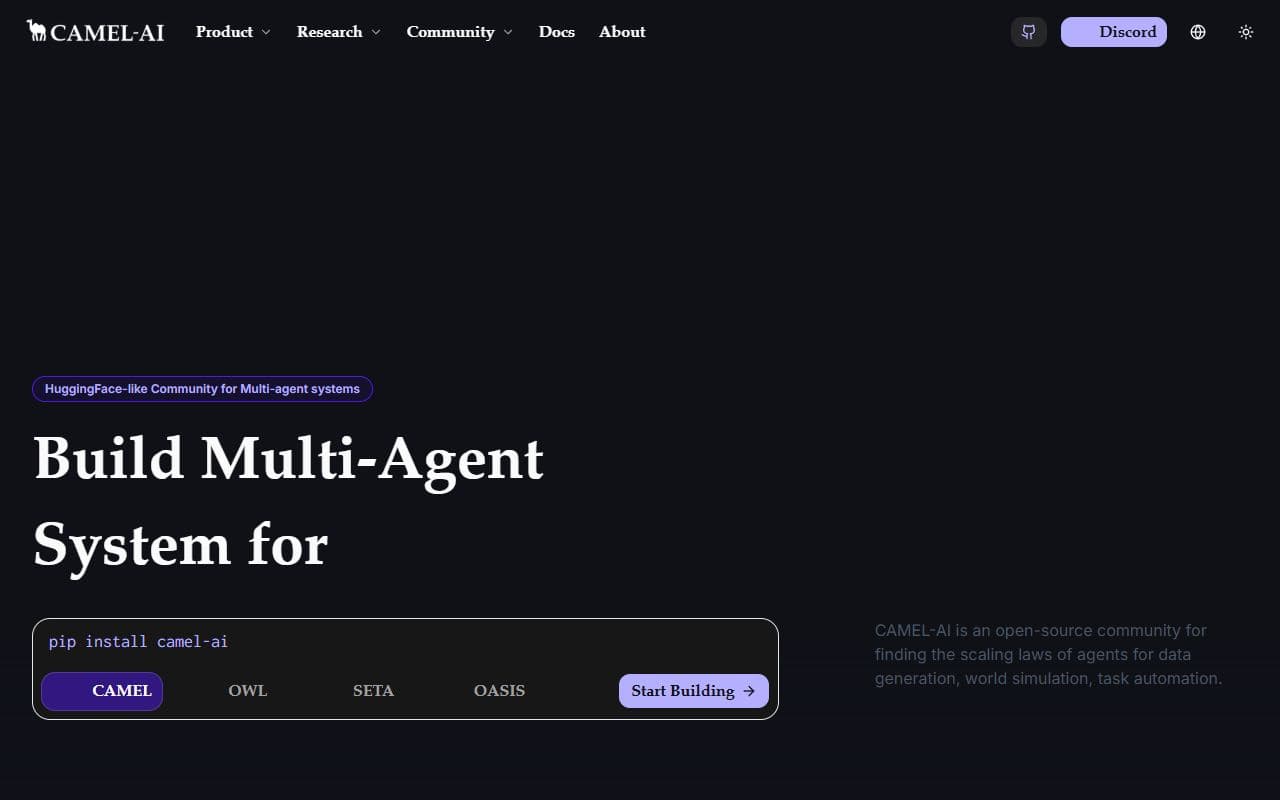
Additional AI-assisted overview
CAMEL-AI presents an open-source multi-agent framework specifically engineered for the development of sophisticated communicative AI agent systems.
As a comprehensive research ecosystem, it facilitates the construction and experimentation of AI entities capable of interacting and collaborating effectively. The platform is tailored for scenarios requiring automation through intelligent agents, offering a foundational structure for building advanced AI applications that benefit from distributed intelligence and coordinated actions. The framework's open-source nature promotes transparency, encourages community contribution, and provides significant flexibility for developers and researchers alike. Its core utility lies in enabling the creation of systems where multiple AI agents can communicate seamlessly and effectively to achieve complex objectives. This strong emphasis on multi-agent communication is central to its design, supporting the exploration and implementation of advanced interaction paradigms within artificial intelligence. CAMEL-AI stands as a valuable resource for anyone seeking to build, deploy, or conduct research on AI agent systems that demand intricate inter-agent communication and coordinated action. Its classification under the AUTOMATION category underscores its capacity to streamline processes and tasks via intelligently designed, interacting AI components. The accessibility of this robust framework is further enhanced by its free availability, significantly lowering the barrier to entry for innovative AI development and research.
Unverified fallback. This legacy AI-assisted copy is not used as evidence for the structured facts or decision guidance on this page.
Capabilities
Source-backed claims are preferred. AI-assisted fallback items are labelled individually.
Supports multi-agent system development
AI-assisted fallback / unverified
Facilitates building communicative AI agent systems
AI-assisted fallback / unverified
Offers an open-source framework architecture
AI-assisted fallback / unverified
Provides a research ecosystem for AI experimentation
AI-assisted fallback / unverified
Enables automation of tasks via AI agents
AI-assisted fallback / unverified
Supports inter-agent communication protocols
AI-assisted fallback / unverified
Offers foundational components for AI agent construction
AI-assisted fallback / unverified
Use cases
Source-backed claims are preferred. AI-assisted fallback items are labelled individually.
Developing complex AI systems requiring multiple interacting agents
AI-assisted fallback / unverified
Experimenting with novel AI agent communication strategies
AI-assisted fallback / unverified
Building automated workflows orchestrated by intelligent agents
AI-assisted fallback / unverified
Conducting academic or industrial research on multi-agent AI architectures
AI-assisted fallback / unverified
Creating simulated environments for AI agent collaboration studies
AI-assisted fallback / unverified
How ClawSites assesses CAMEL-AI
No source-backed best-for or limitation claim is published yet. Unsupported conclusions are omitted until a checked source supports them.
Method: ClawSites keeps discovery copy separate from publishable claims, retains a source excerpt, and displays the date each cited source was checked. Pricing and availability can still change after that date.
Related to CAMEL-AI
Similar directory context, not an editorial claim that these products are interchangeable.
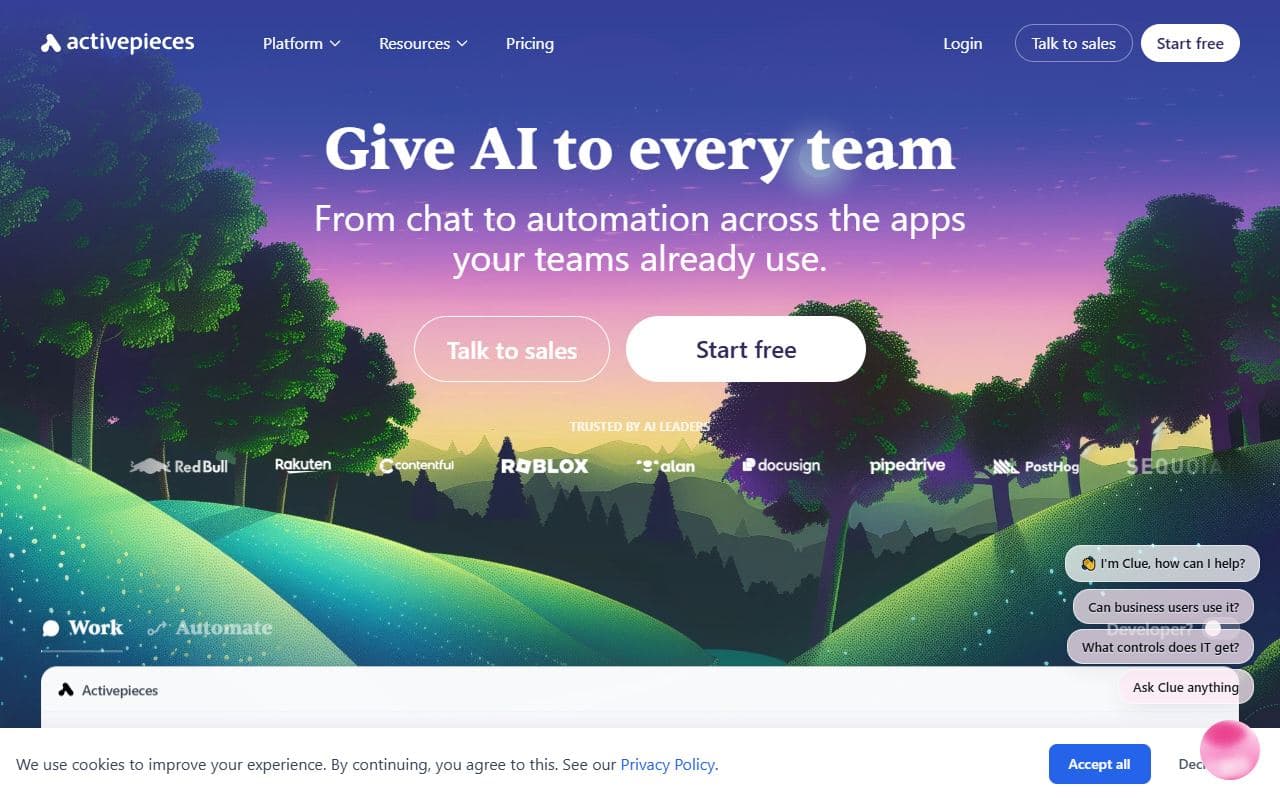
Open-source automation platform with AI workflow support and app integrations for agentic automations.

Open-source Python framework and AgentOS runtime for building, serving, and operating AI agents.
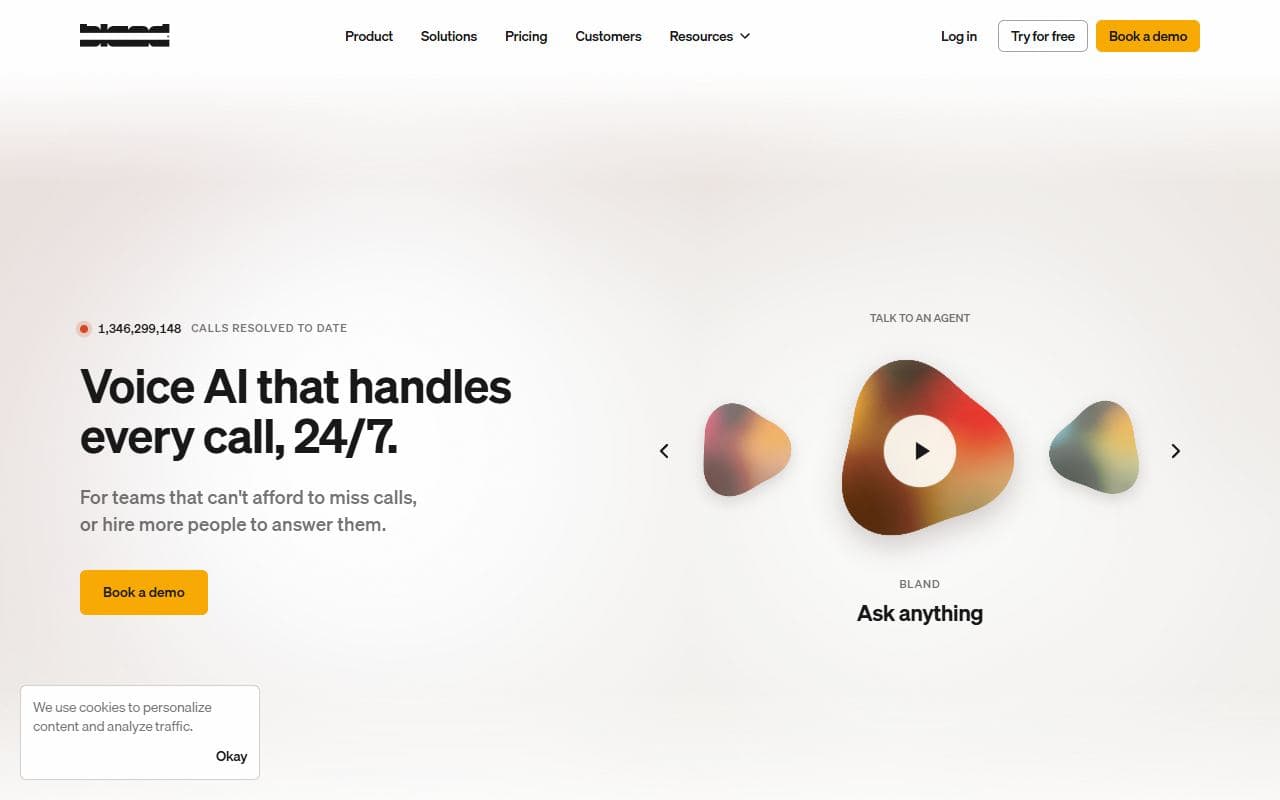
Enterprise voice AI platform for building, running, and monitoring phone agents that handle real customer conversations.
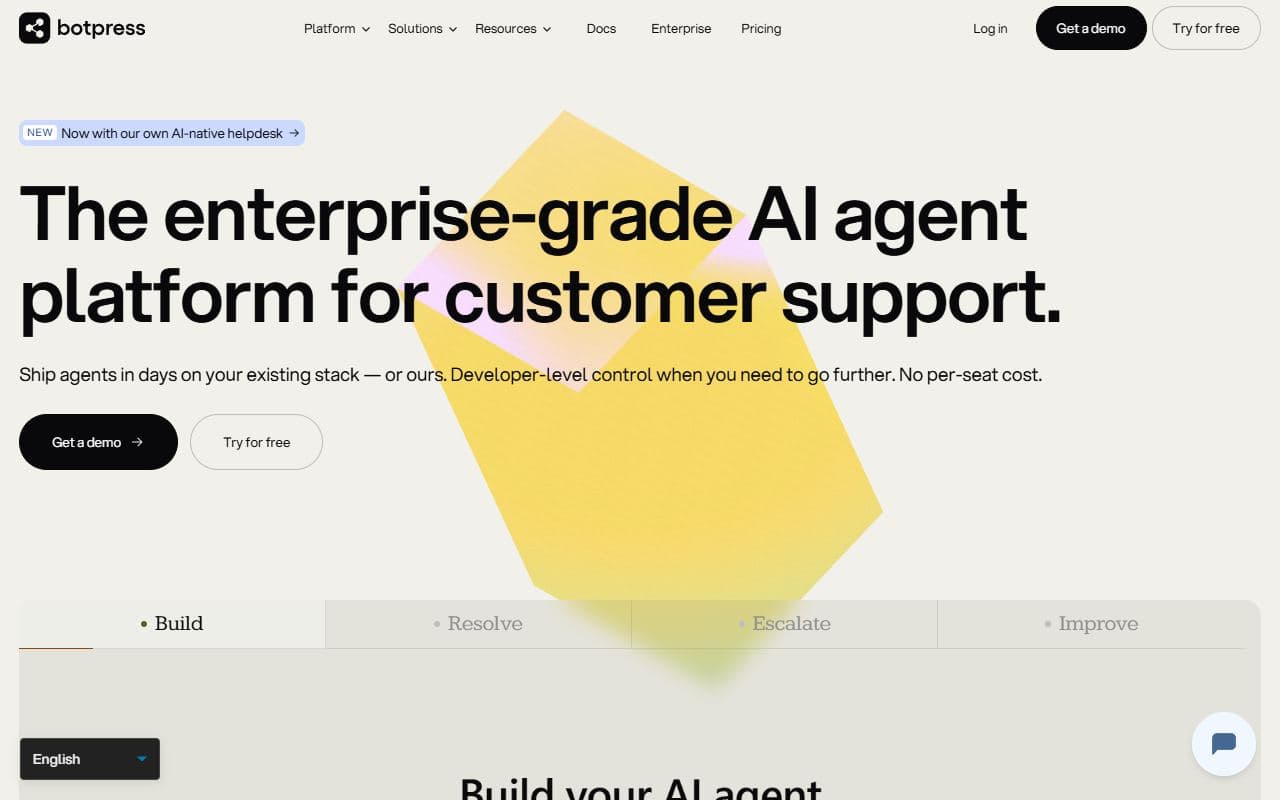
Platform for building AI agents and conversational assistants with integrations and workflow automation.

Framework and platform for orchestrating role-based teams of autonomous AI agents.
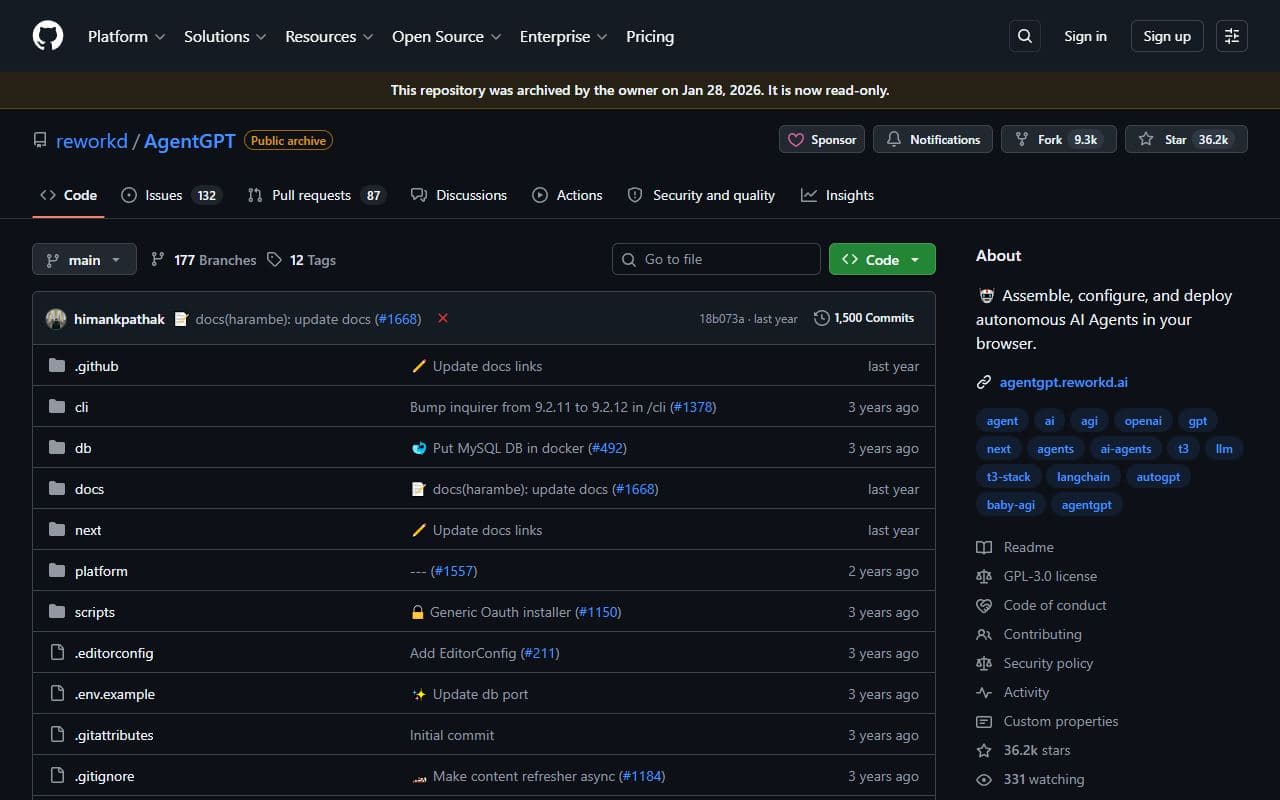
Archived open-source browser-based autonomous agent project for assembling, configuring, and deploying AI agents.